Blab Politics
Hezbollah Leader Qassem Declares 2024 Ceasefire a Continuation of Aggression
On November 27, 2024, as the United Nations‑backed ceasefire between Israel and Lebanon went into effect, Hezbollah’s top commander, Secretary‑General Sheikh Naim Qassem, issued a sharp statement that questioned the truce’s legitimacy. According to a report by the Ahlul Bayt News Agency, Qassem called the agreement a façade that let Israel keep a foothold in southern Lebanon while still striking Lebanese territory.
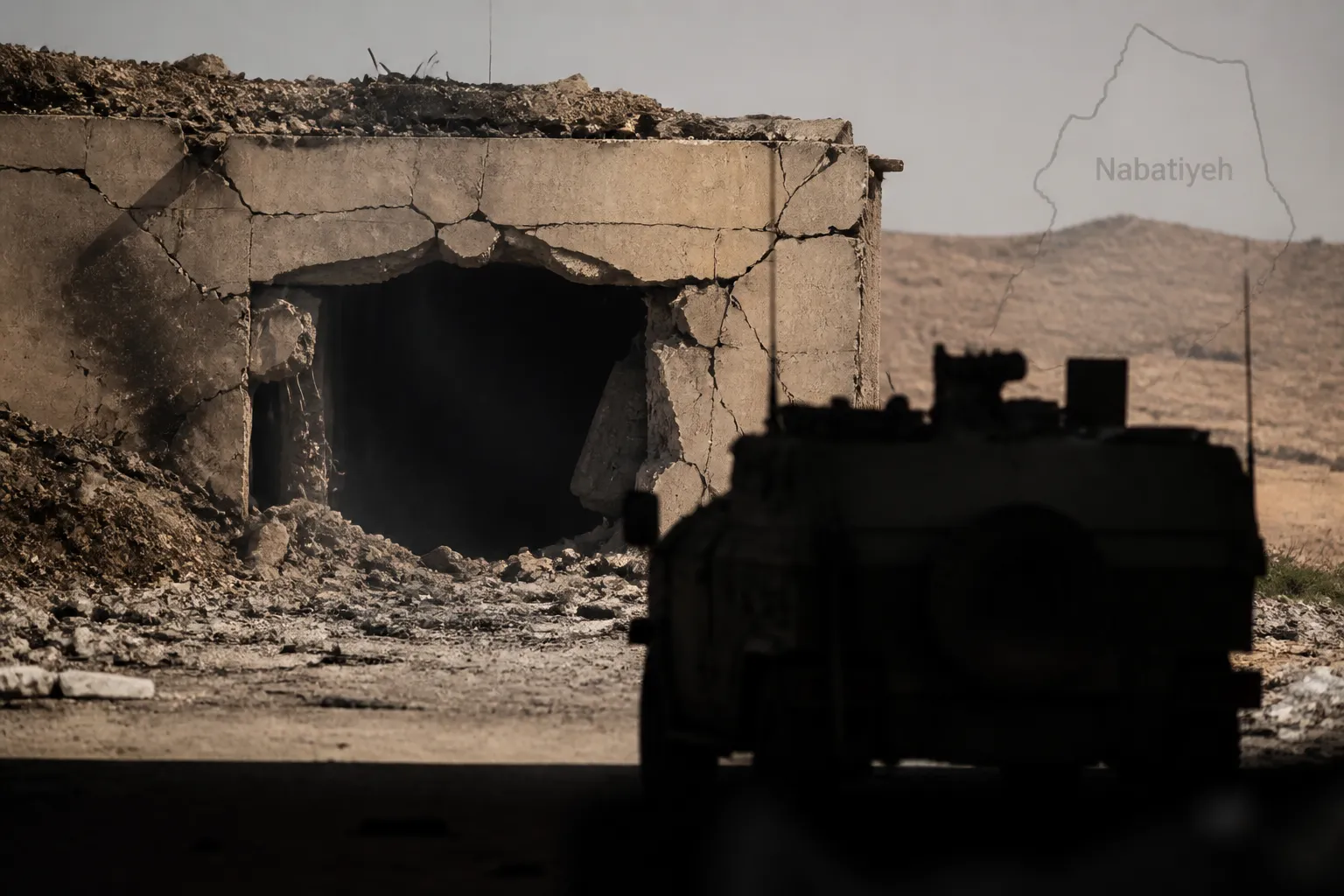
The ceasefire, signed by Israel, Lebanon, and five mediating states—including the United States—called for a 60‑day pause in hostilities. Under its terms, Hezbollah was to withdraw its fighters north of the Litani River, and Israel was to pull its forces from most of southern Lebanon. A monitoring panel of five countries, led by the U.S., was tasked with verifying compliance, while 5,000 Lebanese troops were to be deployed along the border.
In his remarks, Qassem asserted that the agreement did not end Israeli aggression. He said Israel had “continued betting on changing circumstances” and that the occupation had “failed to withdraw” despite the ceasefire’s provisions. He blamed Israeli Prime Minister Benjamin Netanyahu for dragging U.S. President Donald Trump into a war with Iran, claiming that Washington had been used to weaken regional resistance forces.
Qassem also criticized the U.S. role, stating that Washington’s support had enabled Israel to maintain its occupation. He urged the Lebanese government to “take advantage of the existing facts and hold on to their rights,” and called for the Lebanese army to be the sole force authorized to protect national sovereignty.
The statement underscored Hezbollah’s rejection of any disarmament or new political conditions. According to the report, Qassem said the group would not return to the situation that existed before March 2, 2024, when Hezbollah had moved its fighters north of the Litani. He defined a true ceasefire as a “complete cessation of aggression by land, sea and air, and a stop to demolition operations, incursions and entrenchment in occupied Lebanese territory.”
Qassem also addressed Iran’s role. He noted that the Islamic Republic had a “large credit balance” with Lebanon and that its memorandum of understanding included a cessation of aggression. He praised Iran’s support, including the closure of the Strait of Hormuz in 2024, which he said helped Lebanon. He urged Lebanese officials to reorganize relations with Iran and to avoid expanding hostility within the country.
In a separate portion of his speech, Qassem greeted Suleiman Franjieh, head of the Marada Movement, and said that sanctions imposed on him and other Lebanese political figures were a badge of honor. He added that these sanctions would not force them to abandon their positions or principles.
The ceasefire’s implementation has been uneven. While Israel withdrew from most of southern Lebanon by February 18, 2025, it maintained a presence in five strategic positions along the border. Airstrikes resumed in March 2026 after the outbreak of the 2026 Iran war, and the ceasefire was broken again. Hezbollah’s statements in 2024 reflected a broader frustration with the perceived failure of the agreement to end occupation and aggression.
The current situation remains tense. Hezbollah continues to oppose any form of disarmament and rejects the U.S.‑led project that it says has failed to protect Lebanese sovereignty. The Lebanese government faces the challenge of balancing its relationship with Iran, the U.S., and the internal political factions while maintaining security along the border.
The next development will be the Lebanese cabinet’s decision on whether to pursue a plan for the disarmament of all militias, including Hezbollah, as part of a broader effort to restore state control over weapons. Until that decision is made, the ceasefire’s future and the status of Israeli forces in Lebanon remain uncertain.
The ceasefire, signed by Israel, Lebanon, and five mediating states—including the United States—called for a 60‑day pause in hostilities. Under its terms, Hezbollah was to withdraw its fighters north of the Litani River, and Israel was to pull its forces from most of southern Lebanon. A monitoring panel of five countries, led by the U.S., was tasked with verifying compliance, while 5,000 Lebanese troops were to be deployed along the border.
In his remarks, Qassem asserted that the agreement did not end Israeli aggression. He said Israel had “continued betting on changing circumstances” and that the occupation had “failed to withdraw” despite the ceasefire’s provisions. He blamed Israeli Prime Minister Benjamin Netanyahu for dragging U.S. President Donald Trump into a war with Iran, claiming that Washington had been used to weaken regional resistance forces.
Qassem also criticized the U.S. role, stating that Washington’s support had enabled Israel to maintain its occupation. He urged the Lebanese government to “take advantage of the existing facts and hold on to their rights,” and called for the Lebanese army to be the sole force authorized to protect national sovereignty.
The statement underscored Hezbollah’s rejection of any disarmament or new political conditions. According to the report, Qassem said the group would not return to the situation that existed before March 2, 2024, when Hezbollah had moved its fighters north of the Litani. He defined a true ceasefire as a “complete cessation of aggression by land, sea and air, and a stop to demolition operations, incursions and entrenchment in occupied Lebanese territory.”
Qassem also addressed Iran’s role. He noted that the Islamic Republic had a “large credit balance” with Lebanon and that its memorandum of understanding included a cessation of aggression. He praised Iran’s support, including the closure of the Strait of Hormuz in 2024, which he said helped Lebanon. He urged Lebanese officials to reorganize relations with Iran and to avoid expanding hostility within the country.
In a separate portion of his speech, Qassem greeted Suleiman Franjieh, head of the Marada Movement, and said that sanctions imposed on him and other Lebanese political figures were a badge of honor. He added that these sanctions would not force them to abandon their positions or principles.
The ceasefire’s implementation has been uneven. While Israel withdrew from most of southern Lebanon by February 18, 2025, it maintained a presence in five strategic positions along the border. Airstrikes resumed in March 2026 after the outbreak of the 2026 Iran war, and the ceasefire was broken again. Hezbollah’s statements in 2024 reflected a broader frustration with the perceived failure of the agreement to end occupation and aggression.
The current situation remains tense. Hezbollah continues to oppose any form of disarmament and rejects the U.S.‑led project that it says has failed to protect Lebanese sovereignty. The Lebanese government faces the challenge of balancing its relationship with Iran, the U.S., and the internal political factions while maintaining security along the border.
The next development will be the Lebanese cabinet’s decision on whether to pursue a plan for the disarmament of all militias, including Hezbollah, as part of a broader effort to restore state control over weapons. Until that decision is made, the ceasefire’s future and the status of Israeli forces in Lebanon remain uncertain.