Blab Politics
Operation Barbarossa: Germanys 1941 Invasion and the Systematic War of Annihilation
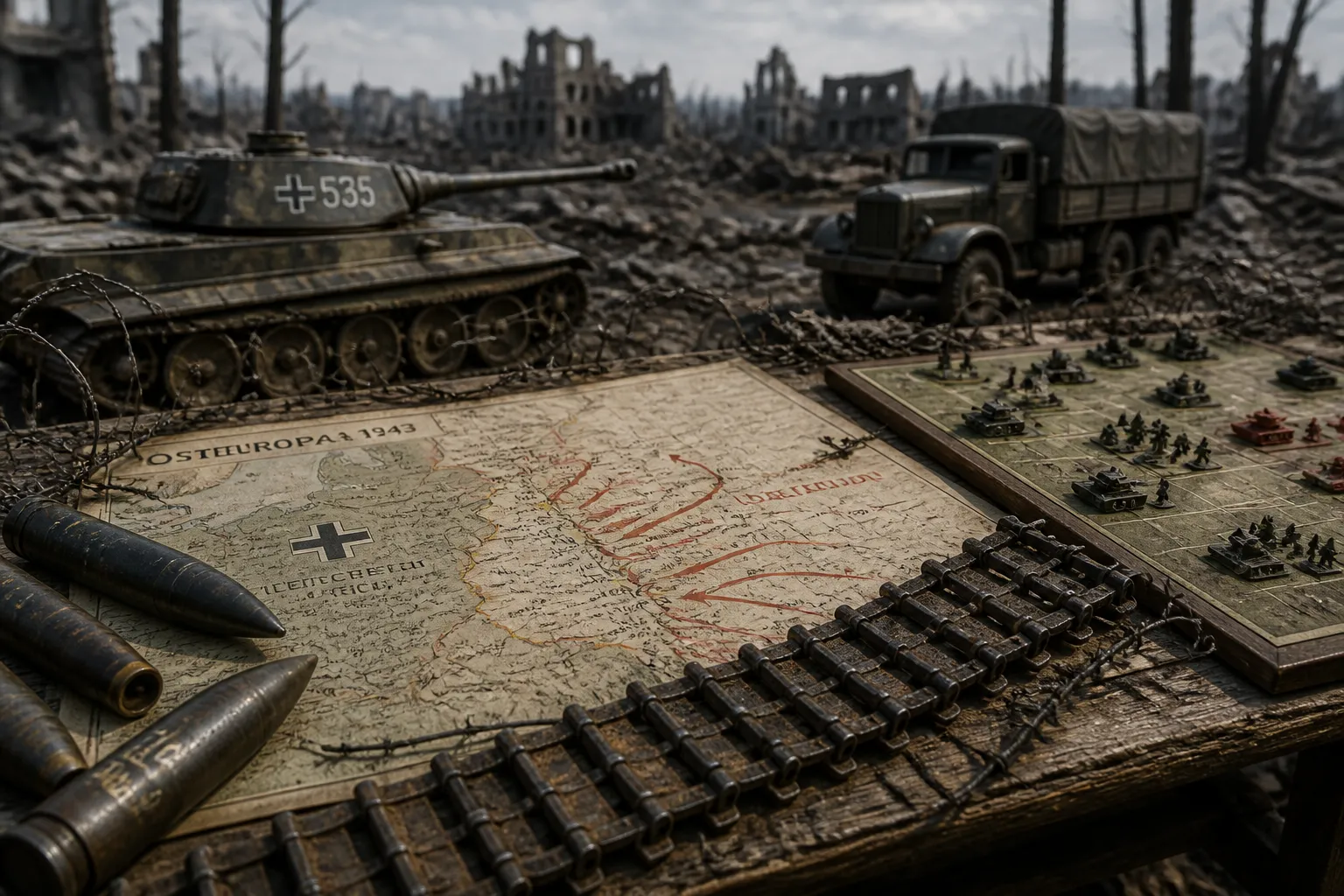
On 22 June 1941, the German armed forces launched Operation Barbarossa, a massive invasion of the western Soviet Union that would become the largest and most costly military offensive in history. More than 3.8 million Axis troops crossed the border, opening the Eastern Front and beginning a campaign that fused territorial conquest with a deliberate policy of extermination.
The invasion was conceived as a war of annihilation. German leadership—Adolf Hitler, the Wehrmacht High Command, and the SS—had long pursued two intertwined aims: the destruction of Bolshevism and the acquisition of Lebensraum for Germans. The plan crystallized in directives such as the Commissar Order, issued on 6 June 1941, and the Military Judiciary Authorisation Order, issued on 13 May 1941. These orders sanctioned the immediate execution of Soviet political commissars and the use of collective punishment against civilians.
The Wehrmacht’s role in the mass murder was intentional, not incidental. Commanders in the German army signed off on the orders and coordinated closely with the SS. Four Einsatzgruppen—mobile killing units trained by Reinhard Heydrich—were deployed alongside the Wehrmacht. In the first six months of the campaign, these units, together with police battalions, killed more than 500,000 Soviet Jews and tens of thousands of partisans and prisoners of war.
The ideological blueprint for the invasion was laid out in Generalplan Ost, a 1942 plan that called for the removal of millions of Slavs from occupied territory to make way for German settlers. The plan envisioned genocide, forced deportation, and the extermination of entire populations deemed inferior by Nazi racial theory.
The scale of the violence was staggering. The invasion brought 3 million German soldiers, 600,000 vehicles, 3,500 tanks, 7,000 pieces of artillery, and 3,900 aircraft into the Soviet Union. By the end of the operation in December 1941, the Wehrmacht had captured five million Soviet troops and deliberately starved or killed 3.3 million prisoners of war. Civilian casualties were even higher: a Soviet commission estimated 27 million deaths, with 8 million soldiers and 19 million civilians. The siege of Leningrad, which lasted 28 months, claimed an additional 470,000 lives.
Some of the most infamous mass shootings occurred during the invasion. The Babi Yar massacre in September 1941, carried out by a German special operations unit, killed 33,771 Jews in two days, with a further 70,000 civilians executed in the same ravine over the following months.
The invasion also exposed weaknesses in the Soviet military. Stalin had ignored intelligence warnings and failed to mobilize the Red Army, leaving many units understrength and poorly positioned. Initial German successes were offset by logistical challenges, harsh weather, and determined Soviet resistance.
Operation Barbarossa ultimately failed to achieve its strategic objectives. The Wehrmacht was unable to maintain a continuous front and was forced into a war of attrition that it was not prepared for. The failure reversed Germany’s fortunes and compelled the Allies to confront the Soviet Union as a key partner.
The legacy of the invasion remains a central chapter in World War II history. It illustrates how ideological goals—anti-communism, anti-Jewish policy, and territorial expansion—were translated into systematic mass murder. The war of annihilation left a lasting impact on the Soviet Union, Europe, and the collective memory of the twentieth century.
Today, the events of 1941 continue to be studied as a stark reminder of the dangers of state-sponsored genocide and the importance of holding military and political leaders accountable for war crimes.
The invasion was conceived as a war of annihilation. German leadership—Adolf Hitler, the Wehrmacht High Command, and the SS—had long pursued two intertwined aims: the destruction of Bolshevism and the acquisition of Lebensraum for Germans. The plan crystallized in directives such as the Commissar Order, issued on 6 June 1941, and the Military Judiciary Authorisation Order, issued on 13 May 1941. These orders sanctioned the immediate execution of Soviet political commissars and the use of collective punishment against civilians.
The Wehrmacht’s role in the mass murder was intentional, not incidental. Commanders in the German army signed off on the orders and coordinated closely with the SS. Four Einsatzgruppen—mobile killing units trained by Reinhard Heydrich—were deployed alongside the Wehrmacht. In the first six months of the campaign, these units, together with police battalions, killed more than 500,000 Soviet Jews and tens of thousands of partisans and prisoners of war.
The ideological blueprint for the invasion was laid out in Generalplan Ost, a 1942 plan that called for the removal of millions of Slavs from occupied territory to make way for German settlers. The plan envisioned genocide, forced deportation, and the extermination of entire populations deemed inferior by Nazi racial theory.
The scale of the violence was staggering. The invasion brought 3 million German soldiers, 600,000 vehicles, 3,500 tanks, 7,000 pieces of artillery, and 3,900 aircraft into the Soviet Union. By the end of the operation in December 1941, the Wehrmacht had captured five million Soviet troops and deliberately starved or killed 3.3 million prisoners of war. Civilian casualties were even higher: a Soviet commission estimated 27 million deaths, with 8 million soldiers and 19 million civilians. The siege of Leningrad, which lasted 28 months, claimed an additional 470,000 lives.
Some of the most infamous mass shootings occurred during the invasion. The Babi Yar massacre in September 1941, carried out by a German special operations unit, killed 33,771 Jews in two days, with a further 70,000 civilians executed in the same ravine over the following months.
The invasion also exposed weaknesses in the Soviet military. Stalin had ignored intelligence warnings and failed to mobilize the Red Army, leaving many units understrength and poorly positioned. Initial German successes were offset by logistical challenges, harsh weather, and determined Soviet resistance.
Operation Barbarossa ultimately failed to achieve its strategic objectives. The Wehrmacht was unable to maintain a continuous front and was forced into a war of attrition that it was not prepared for. The failure reversed Germany’s fortunes and compelled the Allies to confront the Soviet Union as a key partner.
The legacy of the invasion remains a central chapter in World War II history. It illustrates how ideological goals—anti-communism, anti-Jewish policy, and territorial expansion—were translated into systematic mass murder. The war of annihilation left a lasting impact on the Soviet Union, Europe, and the collective memory of the twentieth century.
Today, the events of 1941 continue to be studied as a stark reminder of the dangers of state-sponsored genocide and the importance of holding military and political leaders accountable for war crimes.