Blab Politics
Israel Declares No Withdrawal from Southern Lebanon Amid U.S. Pressure, While Field Commanders Report Defensive Posture
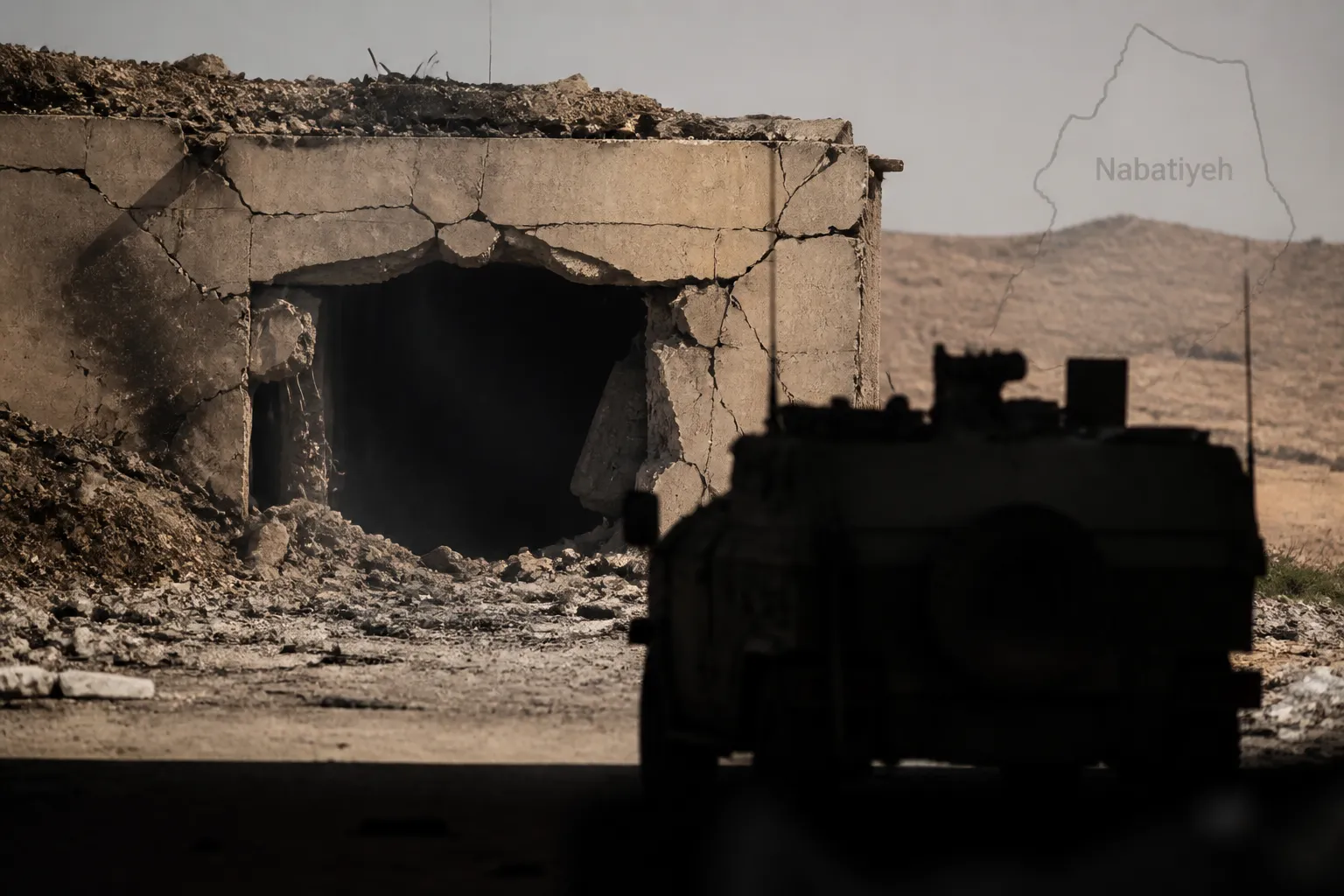
Prime Minister Benjamin Netanyahu and Defense Minister Israel Katz announced on Wednesday that Israel would not pull its troops out of the self‑declared security zone in southern Lebanon, even if the United States demanded it. Their statements came hours after the IDF reported striking two Hezbollah militants in the area and Lebanese media claimed a drone hit a vehicle.
Netanyahu told reporters that the decision to keep forces in the zone would stand “as long as I am prime minister.” Katz echoed the sentiment, saying the IDF would not withdraw “even if there is an American demand to do so.” He cited past deployments that resulted in attacks on soldiers and warned that the 200,000 Lebanese residents displaced from the zone would not return.
The hawkish rhetoric stands in stark contrast to reports from senior IDF commanders stationed in Lebanon. According to Haaretz, those commanders say the reality on the ground is the opposite of the rhetoric. They report that Israeli forces have received clear instructions to halt strikes on Hezbollah targets except when an immediate and tangible threat to soldiers’ lives exists. The Israeli Air Force, armored units, and artillery are operating under the same directives.
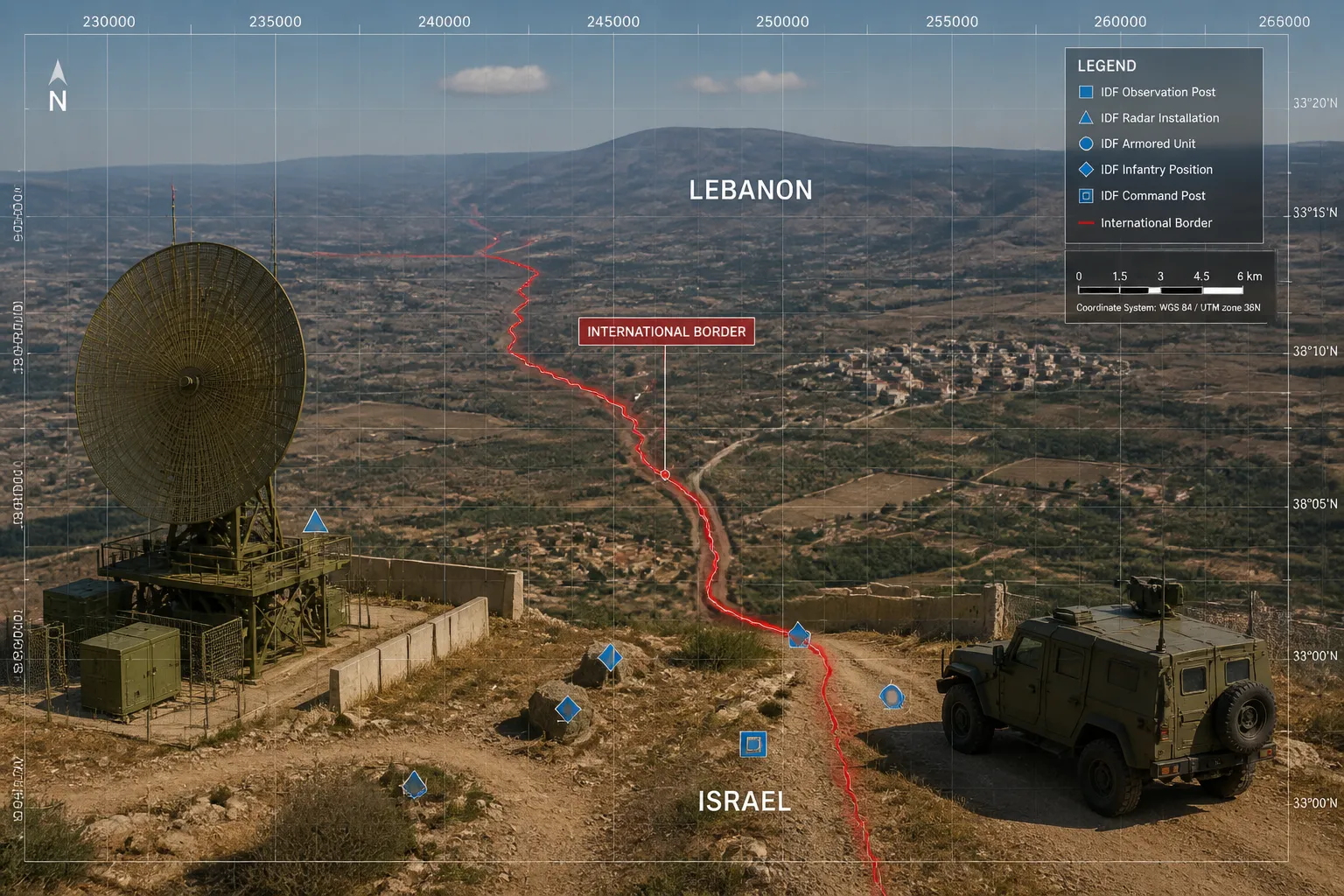
“As a result, Israeli troops have largely adopted static defensive positions along the front lines, with permission to open fire granted only when facing a direct threat,” the commanders said. They also expressed concern over a new de‑escalation mechanism that would enforce a cease‑fire between Israel and Hezbollah. The mechanism, announced as part of U.S.–Iran talks, would involve the Lebanese government, the United States, Iran, Qatar, and Pakistan, but would exclude Israel. An intelligence source told Haaretz that the IDF has not received any official directive or update on the mechanism’s establishment and is relying on foreign reports.
The new mechanism arrives as Washington is set to hold another round of U.S.-mediated talks between Israel and Lebanon on Wednesday. The talks follow the IDF’s recent strikes on Hezbollah militants and a reported Lebanese drone strike, raising the stakes for a diplomatic resolution.
The current conflict, which began in March 2026, is a continuation of the long‑standing Israel‑Hezbollah dispute that escalated after the U.S. and Israel launched a joint campaign against Iran in February 2026. The war has already resulted in more than 4,000 deaths, including civilians, and has displaced over one million Lebanese, roughly 20 % of the country’s population.
Israel’s position is rooted in its 2000 withdrawal from southern Lebanon, which was completed under United Nations Security Council Resolution 425. The withdrawal created a security zone that Israel had maintained until the 2000 exit, but the current invasion has re‑established a presence that the IDF now claims is necessary to protect Israeli communities from Hezbollah attacks.
The U.S. has repeatedly called for Israel to withdraw from Lebanon, citing the need to prevent further escalation and to support a comprehensive cease‑fire. However, the Israeli government has maintained that its forces are essential for national security.
The IDF’s latest statements also highlight the tension between political leadership and military operations. While Netanyahu and Katz project an image of unwavering resolve, field commanders report a cautious approach aimed at minimizing casualties.
The situation remains fluid. The next U.S.-mediated talks in Washington could shape the trajectory of the conflict, but no definitive agreement has yet been reached. The IDF continues to conduct limited strikes against Hezbollah targets, and Lebanese authorities have called for a full withdrawal of Israeli forces.
In the meantime, the de‑escalation mechanism’s exclusion of Israel has drawn criticism from Israeli officials, who fear it could undermine Israel’s security interests. The mechanism’s future, and whether it will incorporate Israeli participation, remains uncertain.
The conflict’s broader implications touch on regional stability, U.S. foreign policy, and the ongoing U.S.–Iran war. As the war drags on, the international community watches closely for any diplomatic breakthrough that could end the fighting and address the humanitarian crisis.
The current status is that Israel remains in southern Lebanon, the U.S. continues to push for withdrawal, and diplomatic talks are scheduled for the coming week. No further military or political developments have been announced at this time.
Netanyahu told reporters that the decision to keep forces in the zone would stand “as long as I am prime minister.” Katz echoed the sentiment, saying the IDF would not withdraw “even if there is an American demand to do so.” He cited past deployments that resulted in attacks on soldiers and warned that the 200,000 Lebanese residents displaced from the zone would not return.
The hawkish rhetoric stands in stark contrast to reports from senior IDF commanders stationed in Lebanon. According to Haaretz, those commanders say the reality on the ground is the opposite of the rhetoric. They report that Israeli forces have received clear instructions to halt strikes on Hezbollah targets except when an immediate and tangible threat to soldiers’ lives exists. The Israeli Air Force, armored units, and artillery are operating under the same directives.
“As a result, Israeli troops have largely adopted static defensive positions along the front lines, with permission to open fire granted only when facing a direct threat,” the commanders said. They also expressed concern over a new de‑escalation mechanism that would enforce a cease‑fire between Israel and Hezbollah. The mechanism, announced as part of U.S.–Iran talks, would involve the Lebanese government, the United States, Iran, Qatar, and Pakistan, but would exclude Israel. An intelligence source told Haaretz that the IDF has not received any official directive or update on the mechanism’s establishment and is relying on foreign reports.
The new mechanism arrives as Washington is set to hold another round of U.S.-mediated talks between Israel and Lebanon on Wednesday. The talks follow the IDF’s recent strikes on Hezbollah militants and a reported Lebanese drone strike, raising the stakes for a diplomatic resolution.
The current conflict, which began in March 2026, is a continuation of the long‑standing Israel‑Hezbollah dispute that escalated after the U.S. and Israel launched a joint campaign against Iran in February 2026. The war has already resulted in more than 4,000 deaths, including civilians, and has displaced over one million Lebanese, roughly 20 % of the country’s population.
Israel’s position is rooted in its 2000 withdrawal from southern Lebanon, which was completed under United Nations Security Council Resolution 425. The withdrawal created a security zone that Israel had maintained until the 2000 exit, but the current invasion has re‑established a presence that the IDF now claims is necessary to protect Israeli communities from Hezbollah attacks.
The U.S. has repeatedly called for Israel to withdraw from Lebanon, citing the need to prevent further escalation and to support a comprehensive cease‑fire. However, the Israeli government has maintained that its forces are essential for national security.
The IDF’s latest statements also highlight the tension between political leadership and military operations. While Netanyahu and Katz project an image of unwavering resolve, field commanders report a cautious approach aimed at minimizing casualties.
The situation remains fluid. The next U.S.-mediated talks in Washington could shape the trajectory of the conflict, but no definitive agreement has yet been reached. The IDF continues to conduct limited strikes against Hezbollah targets, and Lebanese authorities have called for a full withdrawal of Israeli forces.
In the meantime, the de‑escalation mechanism’s exclusion of Israel has drawn criticism from Israeli officials, who fear it could undermine Israel’s security interests. The mechanism’s future, and whether it will incorporate Israeli participation, remains uncertain.
The conflict’s broader implications touch on regional stability, U.S. foreign policy, and the ongoing U.S.–Iran war. As the war drags on, the international community watches closely for any diplomatic breakthrough that could end the fighting and address the humanitarian crisis.
The current status is that Israel remains in southern Lebanon, the U.S. continues to push for withdrawal, and diplomatic talks are scheduled for the coming week. No further military or political developments have been announced at this time.