Blab Politics
LGBTQ+ Candidates Report Rising Threats and Harassment on the Campaign Trail
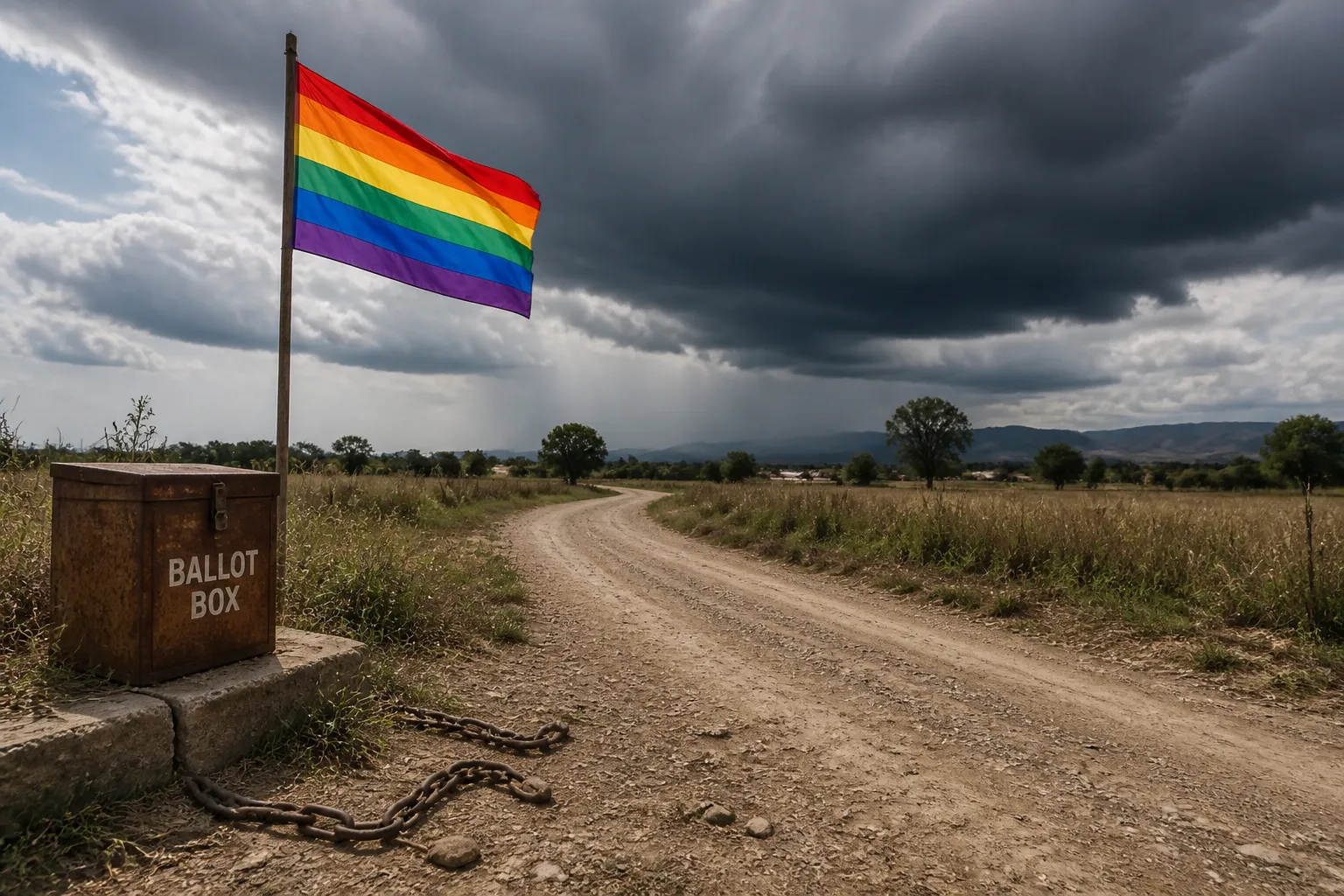
When a campaign trail turns into a battleground, the line between spirited debate and personal danger can blur.
A new report from the LGBTQ+ Victory Institute paints a stark picture of that reality. The study, released this month, surveyed 215 openly LGBTQ+ candidates from 42 states, Puerto Rico, and Washington, D.C. The findings reveal that harassment, threats, and safety concerns have become a routine part of the campaign experience for many queer politicians.
Nearly nine in ten respondents said they worried that running as an openly LGBTQ+ candidate would heighten their risk of harassment or attack. Four in five feared physical violence, and more than half cited safety concerns as a reason to alter how or where they campaigned. Two‑thirds of the candidates reported in‑person harassment during their campaigns, while 80 percent documented online abuse.
Security costs are a significant barrier. Less than ten percent of the surveyed candidates could afford private security, and many said that the lack of protection forced them to limit campaign events or shift to virtual platforms. The report notes that these safety concerns are reshaping campaign strategies and, in some cases, discouraging people from seeking office altogether.
“This report makes clear that political violence is not just increasing — it is reshaping who feels able to run for office in the first place,” said Evan Low, President & CEO of the LGBTQ+ Victory Fund. “No one should have to choose between serving their community and protecting their own safety. When LGBTQ+ candidates are driven out by threats and intimidation, our democracy loses the representation it depends on.”
The LGBTQ+ Victory Institute has long supported LGBTQ+ candidates through fundraising, training, and campaign strategy. The current report adds a new dimension to that work by documenting the growing threat environment. The Institute’s findings echo earlier studies that have linked hate crimes and political violence to increased polarization and right‑wing extremism.
The report’s data come from a survey administered in early 2026. Candidates were asked about their experiences with harassment, threats, and physical violence, as well as how those experiences affected their campaign tactics. The Institute also collected information on the cost of security measures and the extent to which candidates could afford them.
While the report does not identify specific perpetrators or incidents, it highlights a broader trend of increased hostility toward LGBTQ+ public officials. The findings are consistent with a rise in hate‑crime statistics reported to the FBI, which has documented a surge in anti‑LGBTQ+ incidents in recent years.
The study has been shared with several state election boards and advocacy groups. No federal or state agencies have yet announced new policies in response to the report. The LGBTQ+ Victory Institute has called for stronger protections for candidates, including funding for security and clearer reporting mechanisms for harassment.
In the coming months, the Institute plans to publish a set of policy recommendations aimed at lawmakers and election officials. The organization also intends to continue its outreach to candidates, offering resources to help them navigate the threat landscape.
The report underscores a growing concern that political violence and intimidation are eroding the ability of LGBTQ+ individuals to participate fully in the democratic process. Until more robust safeguards are put in place, many candidates may continue to face significant risks that could deter them from running for office.
The current situation remains one of heightened anxiety for LGBTQ+ candidates nationwide. While the report has sparked discussion among advocacy groups and election officials, concrete legislative or administrative actions to address the safety of queer candidates have not yet been announced. The next steps will likely involve a combination of policy proposals, increased funding for security, and enhanced reporting mechanisms for harassment and threats.
The report’s findings will be closely watched by both LGBTQ+ advocacy organizations and election officials as they consider how best to protect candidates and preserve democratic representation.
A new report from the LGBTQ+ Victory Institute paints a stark picture of that reality. The study, released this month, surveyed 215 openly LGBTQ+ candidates from 42 states, Puerto Rico, and Washington, D.C. The findings reveal that harassment, threats, and safety concerns have become a routine part of the campaign experience for many queer politicians.
Nearly nine in ten respondents said they worried that running as an openly LGBTQ+ candidate would heighten their risk of harassment or attack. Four in five feared physical violence, and more than half cited safety concerns as a reason to alter how or where they campaigned. Two‑thirds of the candidates reported in‑person harassment during their campaigns, while 80 percent documented online abuse.
Security costs are a significant barrier. Less than ten percent of the surveyed candidates could afford private security, and many said that the lack of protection forced them to limit campaign events or shift to virtual platforms. The report notes that these safety concerns are reshaping campaign strategies and, in some cases, discouraging people from seeking office altogether.
“This report makes clear that political violence is not just increasing — it is reshaping who feels able to run for office in the first place,” said Evan Low, President & CEO of the LGBTQ+ Victory Fund. “No one should have to choose between serving their community and protecting their own safety. When LGBTQ+ candidates are driven out by threats and intimidation, our democracy loses the representation it depends on.”
The LGBTQ+ Victory Institute has long supported LGBTQ+ candidates through fundraising, training, and campaign strategy. The current report adds a new dimension to that work by documenting the growing threat environment. The Institute’s findings echo earlier studies that have linked hate crimes and political violence to increased polarization and right‑wing extremism.
The report’s data come from a survey administered in early 2026. Candidates were asked about their experiences with harassment, threats, and physical violence, as well as how those experiences affected their campaign tactics. The Institute also collected information on the cost of security measures and the extent to which candidates could afford them.
While the report does not identify specific perpetrators or incidents, it highlights a broader trend of increased hostility toward LGBTQ+ public officials. The findings are consistent with a rise in hate‑crime statistics reported to the FBI, which has documented a surge in anti‑LGBTQ+ incidents in recent years.
The study has been shared with several state election boards and advocacy groups. No federal or state agencies have yet announced new policies in response to the report. The LGBTQ+ Victory Institute has called for stronger protections for candidates, including funding for security and clearer reporting mechanisms for harassment.
In the coming months, the Institute plans to publish a set of policy recommendations aimed at lawmakers and election officials. The organization also intends to continue its outreach to candidates, offering resources to help them navigate the threat landscape.
The report underscores a growing concern that political violence and intimidation are eroding the ability of LGBTQ+ individuals to participate fully in the democratic process. Until more robust safeguards are put in place, many candidates may continue to face significant risks that could deter them from running for office.
The current situation remains one of heightened anxiety for LGBTQ+ candidates nationwide. While the report has sparked discussion among advocacy groups and election officials, concrete legislative or administrative actions to address the safety of queer candidates have not yet been announced. The next steps will likely involve a combination of policy proposals, increased funding for security, and enhanced reporting mechanisms for harassment and threats.
The report’s findings will be closely watched by both LGBTQ+ advocacy organizations and election officials as they consider how best to protect candidates and preserve democratic representation.