Blab Politics
Supreme Court to Decide on Birthright Citizenship Case Amid 250th-Anniversary Reflection
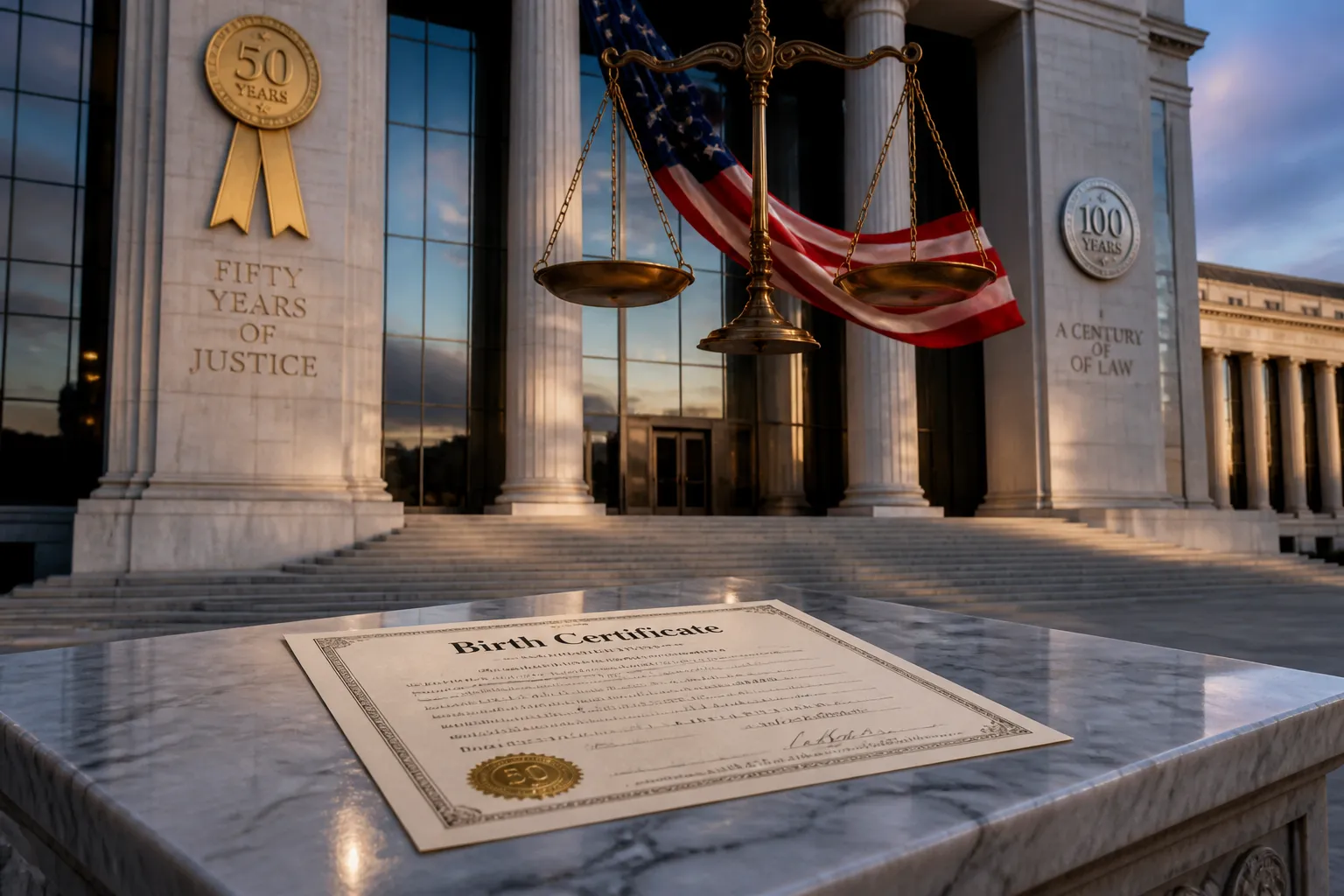
As the United States prepares to celebrate its 250th anniversary, the Supreme Court is on the brink of a decision that could redefine a cornerstone of American citizenship. The pending case, Trump v. Barbara, challenges President Donald Trump’s Executive Order 14160, which would strip birthright citizenship from children born in the United States to parents who are not U.S. citizens or permanent residents. The Court is expected to issue its ruling by the end of June 2026.
The lawsuit was filed by the American Civil Liberties Union (ACLU) and its partners on behalf of people whose citizenship status could be affected by the order. ACLU national legal director Cecilia Wang argued that the executive order conflicts with the Citizenship Clause of the Fourteenth Amendment, a clause that has long been interpreted to grant automatic citizenship to anyone born on U.S. soil and subject to U.S. jurisdiction.
Wang presented her oral arguments on April 1, 2026, in Washington, D.C. The Justices heard for more than two hours, probing the historical context of the Citizenship Clause and the precedent set by the 1898 Supreme Court decision United States v. Wong Kim Ark. In that case, the Court held that a child born in San Francisco to Chinese parents who were subjects of the Emperor of China but who lived and worked in the United States was a U.S. citizen by virtue of the Fourteenth Amendment.
The Wong Kim Ark ruling is widely cited as the foundation of the jus soli principle—birthright citizenship—that has shaped U.S. law for over a century. The Court’s opinion states that the clause applies to “all persons born or naturalized in the United States, and subject to the jurisdiction thereof.” Scholars describe the decision as a “dogma” that has not been seriously questioned by the Supreme Court since the early 20th century.
Executive Order 14160, signed by President Trump on January 20, 2025, attempts to reinterpret the Citizenship Clause by limiting birthright citizenship to children of parents who are U.S. citizens or lawful permanent residents. The order has been blocked by several federal judges, and the ACLU’s lawsuit seeks to have it declared unconstitutional.
The Court’s upcoming ruling will address whether the executive order is compatible with the Constitution and whether the executive branch can redefine the meaning of the Citizenship Clause. While the Court has not yet issued a decision, the case is expected to be decided in the summer term.
The timing of the case coincides with the nation’s 250th anniversary, a period during which historians and civil‑rights advocates have highlighted the contributions of Chinese immigrants to American democracy. The anniversary has prompted renewed attention to the historical court battles that secured constitutional protections for immigrants, including the Wong Kim Ark decision.
If the Court upholds the executive order, it would mark the first significant change to the principle of birthright citizenship in more than a century. If the Court rejects the order, the current interpretation of the Citizenship Clause would remain unchanged.
The outcome will have implications for the status of millions of children born in the United States to parents who are not citizens or permanent residents. The ACLU and other civil‑rights groups have indicated that they will continue to pursue legal action if the order is upheld.
The Supreme Court has not yet announced a date for its decision, but the case is scheduled to be decided by the end of the summer term, according to court calendars. The ruling will be closely watched by lawmakers, immigration advocates, and the public.
In the meantime, the ACLU’s case remains a central legal challenge to the Trump administration’s attempt to alter the long‑standing principle of birthright citizenship. The decision will be a pivotal moment for the interpretation of the Fourteenth Amendment and for the future of citizenship law in the United States.
The lawsuit was filed by the American Civil Liberties Union (ACLU) and its partners on behalf of people whose citizenship status could be affected by the order. ACLU national legal director Cecilia Wang argued that the executive order conflicts with the Citizenship Clause of the Fourteenth Amendment, a clause that has long been interpreted to grant automatic citizenship to anyone born on U.S. soil and subject to U.S. jurisdiction.
Wang presented her oral arguments on April 1, 2026, in Washington, D.C. The Justices heard for more than two hours, probing the historical context of the Citizenship Clause and the precedent set by the 1898 Supreme Court decision United States v. Wong Kim Ark. In that case, the Court held that a child born in San Francisco to Chinese parents who were subjects of the Emperor of China but who lived and worked in the United States was a U.S. citizen by virtue of the Fourteenth Amendment.
The Wong Kim Ark ruling is widely cited as the foundation of the jus soli principle—birthright citizenship—that has shaped U.S. law for over a century. The Court’s opinion states that the clause applies to “all persons born or naturalized in the United States, and subject to the jurisdiction thereof.” Scholars describe the decision as a “dogma” that has not been seriously questioned by the Supreme Court since the early 20th century.
Executive Order 14160, signed by President Trump on January 20, 2025, attempts to reinterpret the Citizenship Clause by limiting birthright citizenship to children of parents who are U.S. citizens or lawful permanent residents. The order has been blocked by several federal judges, and the ACLU’s lawsuit seeks to have it declared unconstitutional.
The Court’s upcoming ruling will address whether the executive order is compatible with the Constitution and whether the executive branch can redefine the meaning of the Citizenship Clause. While the Court has not yet issued a decision, the case is expected to be decided in the summer term.
The timing of the case coincides with the nation’s 250th anniversary, a period during which historians and civil‑rights advocates have highlighted the contributions of Chinese immigrants to American democracy. The anniversary has prompted renewed attention to the historical court battles that secured constitutional protections for immigrants, including the Wong Kim Ark decision.
If the Court upholds the executive order, it would mark the first significant change to the principle of birthright citizenship in more than a century. If the Court rejects the order, the current interpretation of the Citizenship Clause would remain unchanged.
The outcome will have implications for the status of millions of children born in the United States to parents who are not citizens or permanent residents. The ACLU and other civil‑rights groups have indicated that they will continue to pursue legal action if the order is upheld.
The Supreme Court has not yet announced a date for its decision, but the case is scheduled to be decided by the end of the summer term, according to court calendars. The ruling will be closely watched by lawmakers, immigration advocates, and the public.
In the meantime, the ACLU’s case remains a central legal challenge to the Trump administration’s attempt to alter the long‑standing principle of birthright citizenship. The decision will be a pivotal moment for the interpretation of the Fourteenth Amendment and for the future of citizenship law in the United States.