Blab Politics
Iranian Prisoner Masoud Vazifeh Denied Medical Transfer Despite Judicial Order
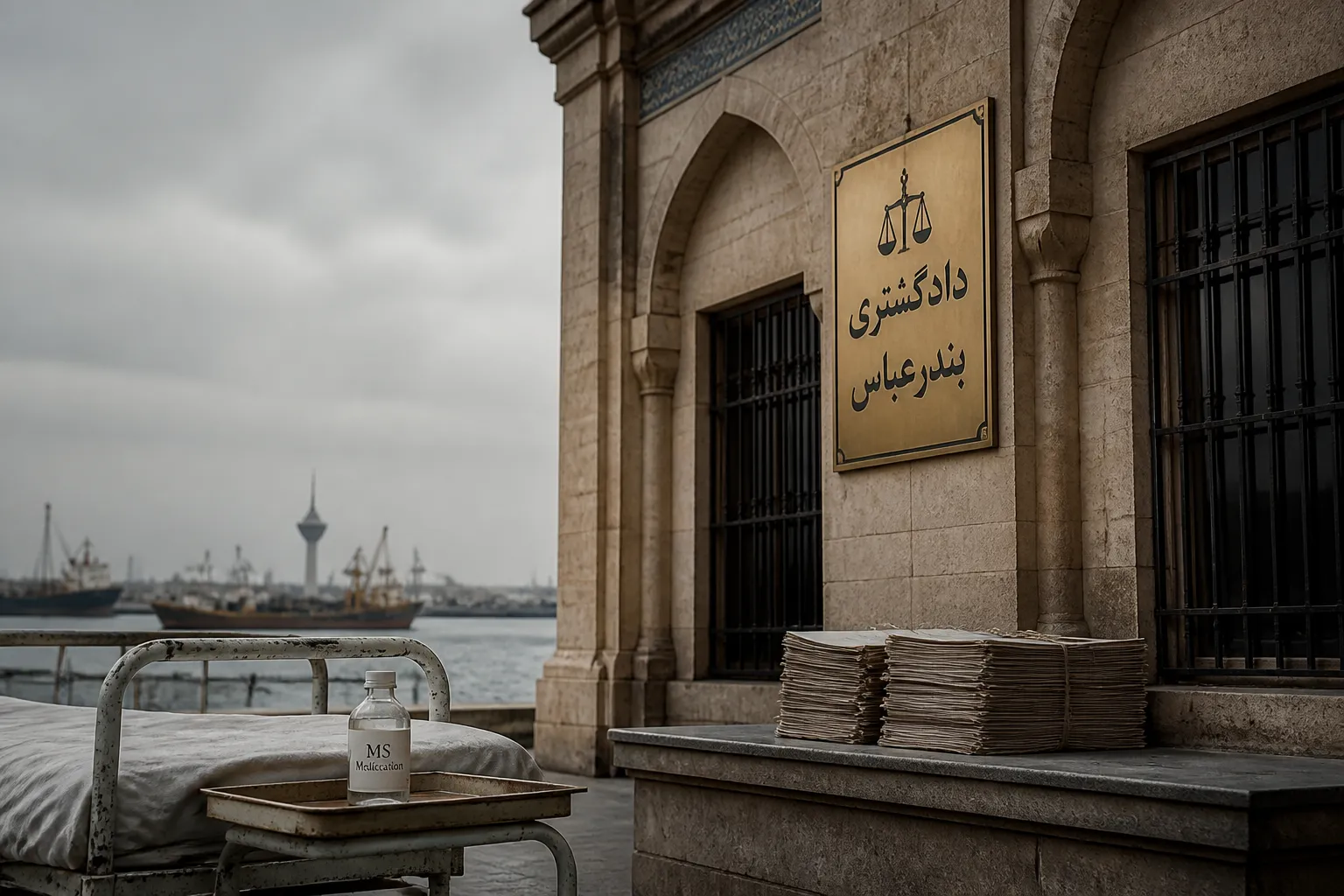
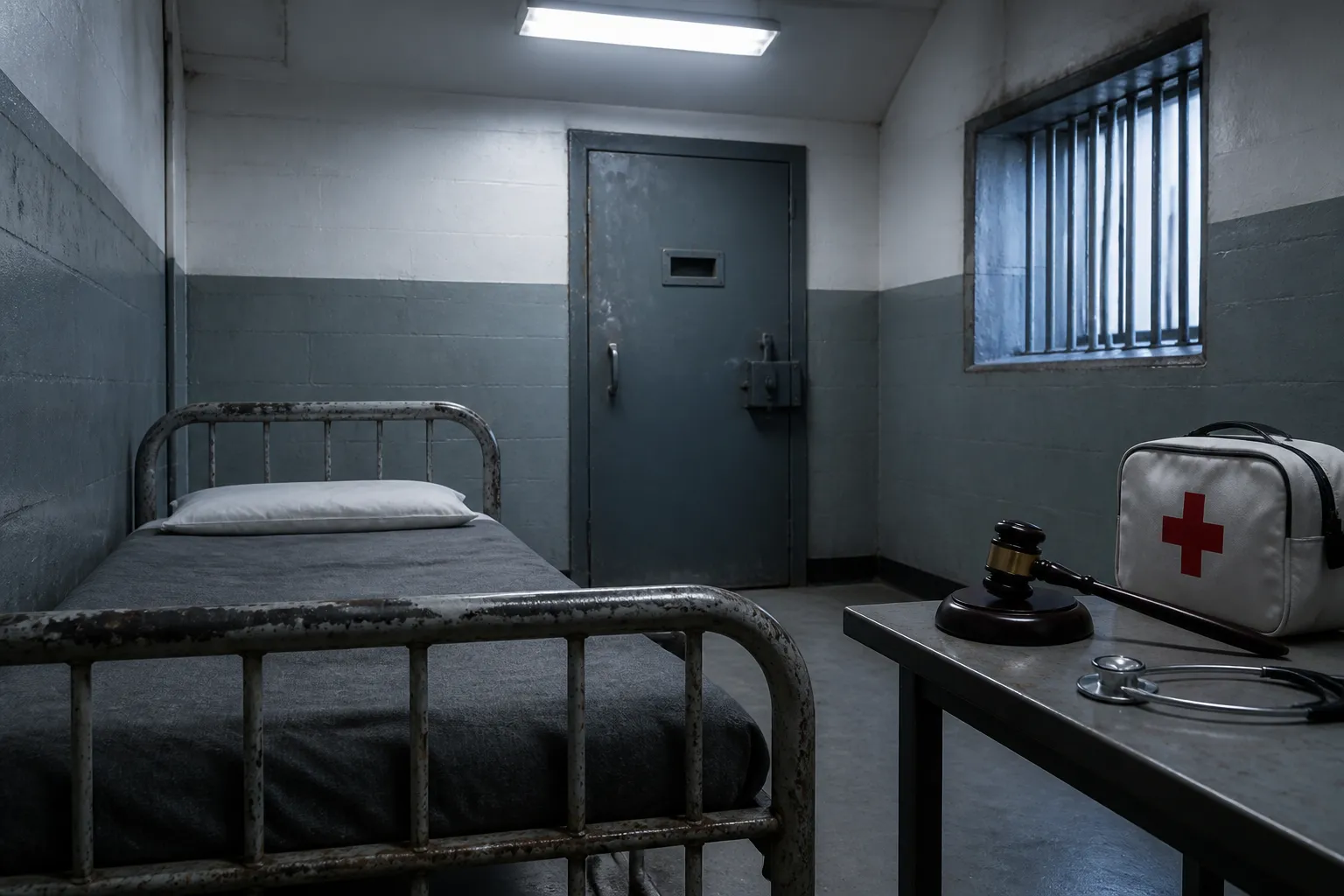
Masoud Vazifeh, a political prisoner in Iran’s Greater Tehran Central Penitentiary, has been denied essential hospital care after a supervisory judge issued a transfer order nearly 20 days ago. The order, signed by the prison’s supervisory judge, directed that Vazifeh be moved to an external medical facility for treatment of a right‑knee injury, severe vision loss, chronic gastrointestinal problems and advanced dental disease. Prison officials have refused to comply.
According to a report by the Human Rights Activists News Agency (HRANA) released on Sunday, July 5, the refusal has halted all of Vazifeh’s required treatment. HRANA notes that the judge’s order was issued “nearly 20 days ago” and that the prison administration has ignored the ruling, preventing the prisoner’s admission to an outside hospital.
A source close to Vazifeh’s family told HRANA that the prisoner has repeatedly issued formal warnings to prison medical staff about his rapidly deteriorating condition, but no meaningful measures have been taken. During a recent phone call with his family, Vazifeh described the living conditions in Greater Tehran Prison, citing severe food shortages, high prices for basic necessities and systemic administrative negligence that have worsened his health.
Vazifeh was arrested in 2025 and is serving a four‑year sentence, 74 lashes and a 50‑million‑toman fine imposed by Branch 26 of the Tehran Revolutionary Court. The Tehran Provincial Appeals Court upheld the conviction in November of the same year. The sentence was originally handed down by the same court branch.
His current imprisonment stems from his peaceful activism inside the penal system. In December 2024, Vazifeh organized a sit‑in strike to protest the death sentences handed down against defendants in the “Ekbatan Town” case. After the protest, he was arrested and transferred to Evin Prison, where he was later released on bail after two months.
Vazifeh has a long history of arbitrary arrests and judicial harassment by Iran’s security agencies because of his civil‑rights activism. HRANA’s report places him among a group of political prisoners who have faced repeated detentions.
Greater Tehran Central Penitentiary, also known as Fashafuyeh Prison, is the country’s largest detention facility, with a capacity of 15,000 inmates. Independent human‑rights organizations, including Amnesty International and Human Rights Watch, have documented overcrowding, poor hygiene, and a chronic lack of medical care in the prison. In 2020, a state‑run report described the prison’s conditions as “inhumane,” noting that inmates suffer from inadequate nutrition and medical neglect.
The denial of medical care for Vazifeh is part of a broader pattern of treatment of political prisoners in Iran. In the past month, at least seven prisoners died in various prisons across the country, with causes including lack of medical care and suicide after enduring deprivations, according to reports by HRANA and other human‑rights groups.
The Iranian government has not issued a public statement regarding Vazifeh’s case. The prison administration’s refusal to comply with a judicial order raises concerns about the enforcement of court decisions within the country’s penal system.
The situation remains unresolved. No further court action has been reported, and it is unclear whether the supervisory judge will pursue additional measures. International human‑rights organizations have called for immediate compliance with the transfer order and for an independent investigation into the conditions that led to Vazifeh’s denial of care.
The case underscores the challenges faced by political prisoners in Iran, where judicial orders can be ignored and basic medical needs are routinely unmet. The international community continues to monitor the situation, urging Iranian authorities to uphold the rights of detainees and to ensure that court decisions are enforced.
According to a report by the Human Rights Activists News Agency (HRANA) released on Sunday, July 5, the refusal has halted all of Vazifeh’s required treatment. HRANA notes that the judge’s order was issued “nearly 20 days ago” and that the prison administration has ignored the ruling, preventing the prisoner’s admission to an outside hospital.
A source close to Vazifeh’s family told HRANA that the prisoner has repeatedly issued formal warnings to prison medical staff about his rapidly deteriorating condition, but no meaningful measures have been taken. During a recent phone call with his family, Vazifeh described the living conditions in Greater Tehran Prison, citing severe food shortages, high prices for basic necessities and systemic administrative negligence that have worsened his health.
Vazifeh was arrested in 2025 and is serving a four‑year sentence, 74 lashes and a 50‑million‑toman fine imposed by Branch 26 of the Tehran Revolutionary Court. The Tehran Provincial Appeals Court upheld the conviction in November of the same year. The sentence was originally handed down by the same court branch.
His current imprisonment stems from his peaceful activism inside the penal system. In December 2024, Vazifeh organized a sit‑in strike to protest the death sentences handed down against defendants in the “Ekbatan Town” case. After the protest, he was arrested and transferred to Evin Prison, where he was later released on bail after two months.
Vazifeh has a long history of arbitrary arrests and judicial harassment by Iran’s security agencies because of his civil‑rights activism. HRANA’s report places him among a group of political prisoners who have faced repeated detentions.
Greater Tehran Central Penitentiary, also known as Fashafuyeh Prison, is the country’s largest detention facility, with a capacity of 15,000 inmates. Independent human‑rights organizations, including Amnesty International and Human Rights Watch, have documented overcrowding, poor hygiene, and a chronic lack of medical care in the prison. In 2020, a state‑run report described the prison’s conditions as “inhumane,” noting that inmates suffer from inadequate nutrition and medical neglect.
The denial of medical care for Vazifeh is part of a broader pattern of treatment of political prisoners in Iran. In the past month, at least seven prisoners died in various prisons across the country, with causes including lack of medical care and suicide after enduring deprivations, according to reports by HRANA and other human‑rights groups.
The Iranian government has not issued a public statement regarding Vazifeh’s case. The prison administration’s refusal to comply with a judicial order raises concerns about the enforcement of court decisions within the country’s penal system.
The situation remains unresolved. No further court action has been reported, and it is unclear whether the supervisory judge will pursue additional measures. International human‑rights organizations have called for immediate compliance with the transfer order and for an independent investigation into the conditions that led to Vazifeh’s denial of care.
The case underscores the challenges faced by political prisoners in Iran, where judicial orders can be ignored and basic medical needs are routinely unmet. The international community continues to monitor the situation, urging Iranian authorities to uphold the rights of detainees and to ensure that court decisions are enforced.