Blab Politics
Paris Court of Appeal to Decide Marine Le Pens Eligibility for 2027 Presidential Race
A Paris appeals court will decide this Tuesday whether Marine Le Pen can once again stand for France’s highest office, a ruling that could shift the country’s political calculus. The decision hinges on a March 2025 conviction that found Le Pen and several National Rally officials guilty of misusing more than €4 million of European Parliament funds to pay aides who worked for the party instead of for parliamentary duties. The lower court sentenced Le Pen to four years in prison and imposed an immediate five‑year ban on holding elected office.
Le Pen, 57, has denied any wrongdoing, according to reports. She has appealed the conviction, and the Paris Court of Appeal is set to deliver its ruling on July 7, 2026. If the court upholds the ban, Le Pen will be barred from standing in the April 18 and May 2, 2027 presidential elections.
In that event, the National Rally’s 30‑year‑old president, Jordan Bardella, would replace her on the ballot. Bardella has been the party’s face since 2022 and was elected to the European Parliament in 2019. He has served as a key spokesperson and led the party’s list in the 2024 national assembly elections, where the National Rally emerged as the largest opposition party.
The National Rally, formerly the National Front, was founded in 1972 by Le Pen’s father, Jean‑Marie Le Pen. Marine Le Pen succeeded him in 2011 and launched a campaign to soften the party’s image. She rebranded the party as the National Rally in 2018 and has run for president in 2012, 2017, and 2022, finishing third, second, and second respectively.
The March 2025 conviction was part of a broader investigation into the party’s use of EU public funding. The European Parliament allocates funds to national parties for parliamentary work; the National Rally’s use of those funds to pay party staff was deemed a misuse. The case involved 12 aides and 25 party members.
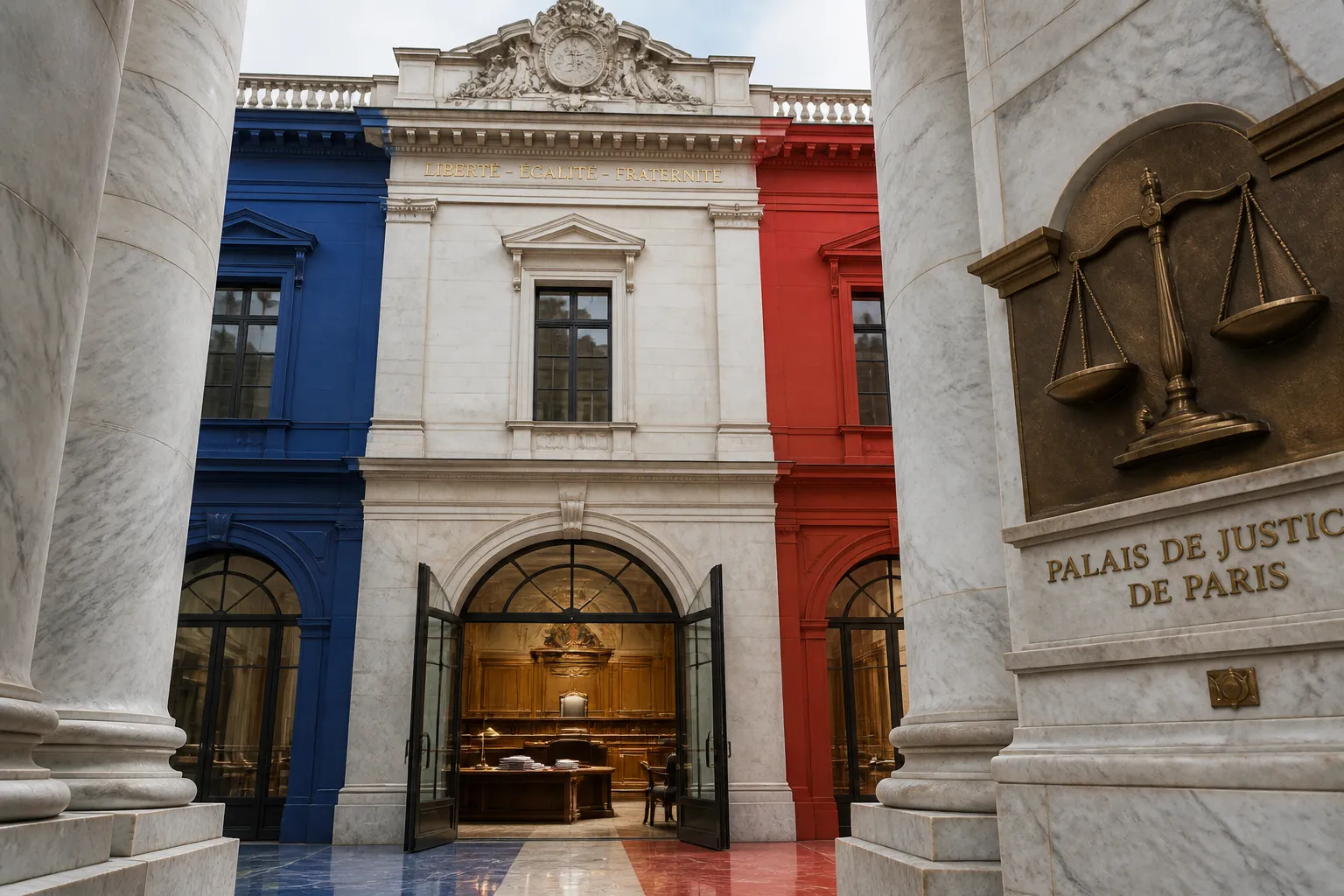
The Paris Court of Appeal is the largest appeals court in France, covering the departments of Paris, Essonne, Yonne, Seine‑et‑Marne, Seine‑Saint‑Denis, and Val‑de‑Marne. Its decision will determine whether Le Pen can continue to be a candidate for the highest office in France.
The 2027 presidential election is scheduled for a two‑round format, with the first round on April 18 and a potential second round on May 2. The outcome of the appeal will have immediate implications for the National Rally’s campaign strategy and for the broader French political arena.
If Le Pen is barred, Bardella would become the party’s official candidate, but the party would still face the challenge of maintaining its electoral momentum without its long‑time figurehead. Conversely, if the court lifts the ban, Le Pen could resume her campaign, potentially altering the dynamics of the race.
The appeal is expected to conclude with a written decision. Until then, the National Rally has not announced a formal replacement, and the party’s leadership is monitoring the court’s proceedings closely.
The case underscores the intersection of national politics and EU funding regulations, highlighting how legal outcomes can directly influence electoral prospects. The Paris Court of Appeal’s ruling will therefore be a pivotal moment for French politics in the run‑up to the 2027 presidential election.
Le Pen, 57, has denied any wrongdoing, according to reports. She has appealed the conviction, and the Paris Court of Appeal is set to deliver its ruling on July 7, 2026. If the court upholds the ban, Le Pen will be barred from standing in the April 18 and May 2, 2027 presidential elections.
In that event, the National Rally’s 30‑year‑old president, Jordan Bardella, would replace her on the ballot. Bardella has been the party’s face since 2022 and was elected to the European Parliament in 2019. He has served as a key spokesperson and led the party’s list in the 2024 national assembly elections, where the National Rally emerged as the largest opposition party.
The National Rally, formerly the National Front, was founded in 1972 by Le Pen’s father, Jean‑Marie Le Pen. Marine Le Pen succeeded him in 2011 and launched a campaign to soften the party’s image. She rebranded the party as the National Rally in 2018 and has run for president in 2012, 2017, and 2022, finishing third, second, and second respectively.
The March 2025 conviction was part of a broader investigation into the party’s use of EU public funding. The European Parliament allocates funds to national parties for parliamentary work; the National Rally’s use of those funds to pay party staff was deemed a misuse. The case involved 12 aides and 25 party members.
The Paris Court of Appeal is the largest appeals court in France, covering the departments of Paris, Essonne, Yonne, Seine‑et‑Marne, Seine‑Saint‑Denis, and Val‑de‑Marne. Its decision will determine whether Le Pen can continue to be a candidate for the highest office in France.
The 2027 presidential election is scheduled for a two‑round format, with the first round on April 18 and a potential second round on May 2. The outcome of the appeal will have immediate implications for the National Rally’s campaign strategy and for the broader French political arena.
If Le Pen is barred, Bardella would become the party’s official candidate, but the party would still face the challenge of maintaining its electoral momentum without its long‑time figurehead. Conversely, if the court lifts the ban, Le Pen could resume her campaign, potentially altering the dynamics of the race.
The appeal is expected to conclude with a written decision. Until then, the National Rally has not announced a formal replacement, and the party’s leadership is monitoring the court’s proceedings closely.
The case underscores the intersection of national politics and EU funding regulations, highlighting how legal outcomes can directly influence electoral prospects. The Paris Court of Appeal’s ruling will therefore be a pivotal moment for French politics in the run‑up to the 2027 presidential election.