Blab Politics
Pat Oliphant, Pulitzer-Winning Political Cartoonist, Dies at 90
Pat Oliphant, the Australian‑born artist whose razor‑sharp drawings have rattled U.S. powerbrokers for more than six decades, died Monday at his Santa Fe, New Mexico, home. He was 90, his son Grant told reporters, and the loss was attributed to age‑related health issues.
Oliphant’s journey began in Adelaide, where a young copy‑desk aide at a local paper first saw a cartoonist in action and realized his own hand could wield a pen as forcefully as a voice. He became the first in‑house cartoonist for The Advertiser, his hometown paper, before crossing the Pacific in 1964 to join The Denver Post. Three years later, the Pulitzer Prize Board honored him with the Pulitzer Prize for Editorial Cartooning for the February 1, 1966 piece They Won’t Get Us To The Conference Table…Will They? Even as the award was a career milestone, Oliphant later expressed skepticism, saying the committee had recognized what he considered the weakest work he had produced.
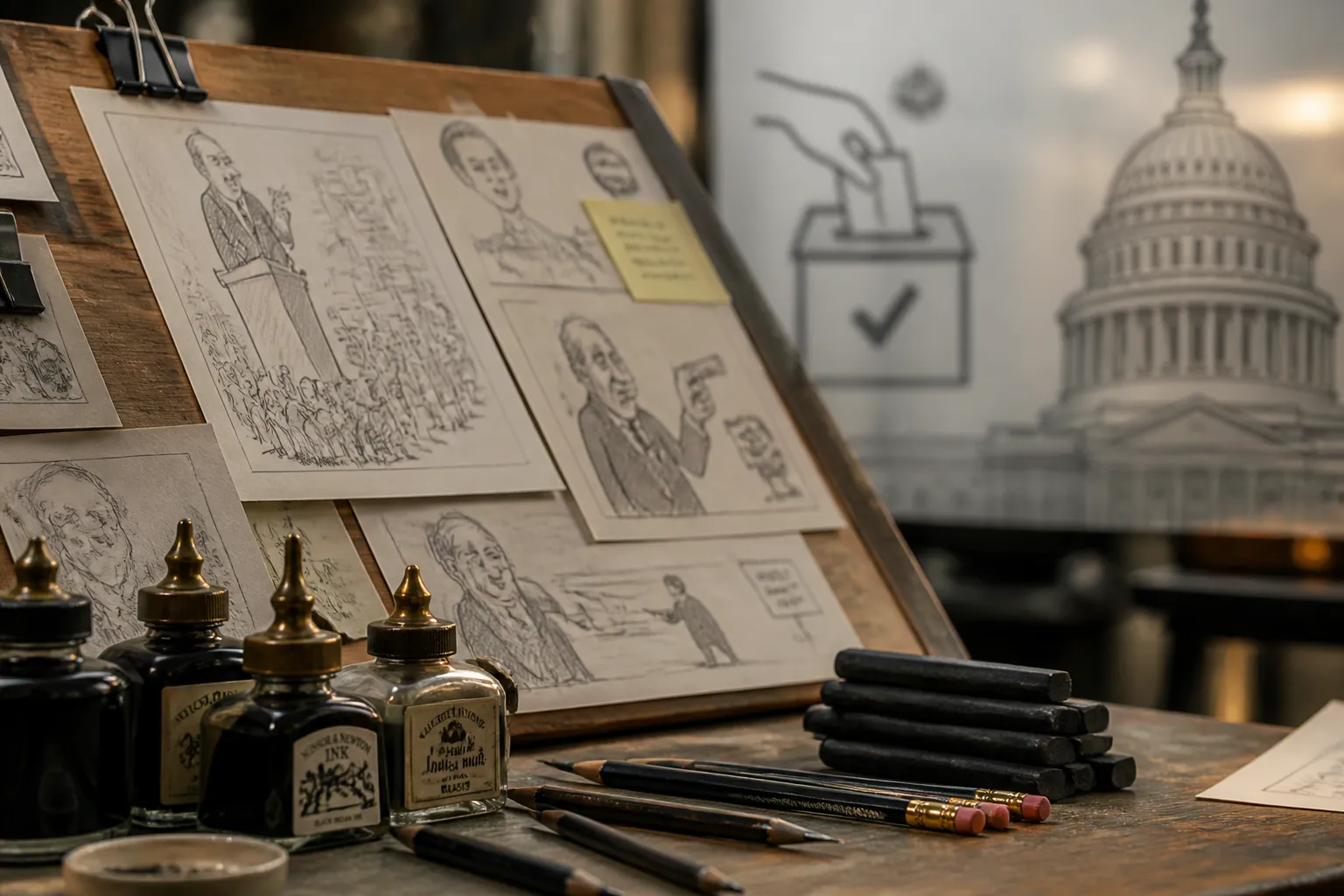
The 1980s saw Oliphant’s work appear in more than 500 newspapers worldwide, making him the most syndicated editorial cartoonist in the United States. His meticulous line work and unflinching critiques of powerful figures earned both admiration and controversy. He drew presidents from Lyndon B. Johnson to Donald Trump, using visual metaphors that left a lasting impression: a farmer’s oversized teeth for Jimmy Carter, a cork in Reagan’s ear to suggest indifference to American suffering, and a blunt, direct style that challenged the status quo.
Oliphant never shied from subjects many outlets avoided. In 2002 he tackled the Catholic Church’s pedophilia scandals, and in 2008 he critiqued Israel’s offensive against Hamas in Gaza. His depictions of ethnic groups sometimes drew complaints. The Asian American Journalists Association and the American‑Arab Anti‑Discrimination Committee both raised concerns that his caricatures reinforced false stereotypes.
After relocating to Santa Fe in 2002, Oliphant continued to produce cartoons until glaucoma forced him to retire from professional work in 2015. He remained an active artist, painting oil canvases and creating sculptures, lithographs, and bronze works. Friends and colleagues, including writer Hampton Sides, recalled that his Santa Fe home was a gathering place for thinkers, musicians, and writers, and that he enjoyed the “constant interplay of ideas.”
Grant Oliphant said his father “challenged the idea of the political establishment being sublimely serious as it is” and that society today has lost the capacity to receive humor and debate. Bill Banowsky, director of the documentary A Savage Art: The Life & Cartoons of Pat Oliphant, noted that Oliphant “redefined what it meant to be a political cartoonist and to be fearless in his work.”
Oliphant’s legacy is one of relentless scrutiny of power and a refusal to shy from uncomfortable topics. His cartoons, which spanned more than 60 years, remain a testament to the role of satire in democratic discourse. He is survived by his son, Grant, and by a body of work that continues to be studied by scholars of political communication and art.
Oliphant’s death marks the loss of a figure who, through sharp line and unvarnished critique, kept the public eye on the actions of those in authority. His passing is noted by the cartooning community and by those who value the tradition of editorial satire as a check on power.
Oliphant’s journey began in Adelaide, where a young copy‑desk aide at a local paper first saw a cartoonist in action and realized his own hand could wield a pen as forcefully as a voice. He became the first in‑house cartoonist for The Advertiser, his hometown paper, before crossing the Pacific in 1964 to join The Denver Post. Three years later, the Pulitzer Prize Board honored him with the Pulitzer Prize for Editorial Cartooning for the February 1, 1966 piece They Won’t Get Us To The Conference Table…Will They? Even as the award was a career milestone, Oliphant later expressed skepticism, saying the committee had recognized what he considered the weakest work he had produced.
The 1980s saw Oliphant’s work appear in more than 500 newspapers worldwide, making him the most syndicated editorial cartoonist in the United States. His meticulous line work and unflinching critiques of powerful figures earned both admiration and controversy. He drew presidents from Lyndon B. Johnson to Donald Trump, using visual metaphors that left a lasting impression: a farmer’s oversized teeth for Jimmy Carter, a cork in Reagan’s ear to suggest indifference to American suffering, and a blunt, direct style that challenged the status quo.
Oliphant never shied from subjects many outlets avoided. In 2002 he tackled the Catholic Church’s pedophilia scandals, and in 2008 he critiqued Israel’s offensive against Hamas in Gaza. His depictions of ethnic groups sometimes drew complaints. The Asian American Journalists Association and the American‑Arab Anti‑Discrimination Committee both raised concerns that his caricatures reinforced false stereotypes.
After relocating to Santa Fe in 2002, Oliphant continued to produce cartoons until glaucoma forced him to retire from professional work in 2015. He remained an active artist, painting oil canvases and creating sculptures, lithographs, and bronze works. Friends and colleagues, including writer Hampton Sides, recalled that his Santa Fe home was a gathering place for thinkers, musicians, and writers, and that he enjoyed the “constant interplay of ideas.”
Grant Oliphant said his father “challenged the idea of the political establishment being sublimely serious as it is” and that society today has lost the capacity to receive humor and debate. Bill Banowsky, director of the documentary A Savage Art: The Life & Cartoons of Pat Oliphant, noted that Oliphant “redefined what it meant to be a political cartoonist and to be fearless in his work.”
Oliphant’s legacy is one of relentless scrutiny of power and a refusal to shy from uncomfortable topics. His cartoons, which spanned more than 60 years, remain a testament to the role of satire in democratic discourse. He is survived by his son, Grant, and by a body of work that continues to be studied by scholars of political communication and art.
Oliphant’s death marks the loss of a figure who, through sharp line and unvarnished critique, kept the public eye on the actions of those in authority. His passing is noted by the cartooning community and by those who value the tradition of editorial satire as a check on power.