Blab Politics
Trump Shrinks Bears Ears and Grand Staircase-Escalante Monuments by Nearly 3 Million Acres
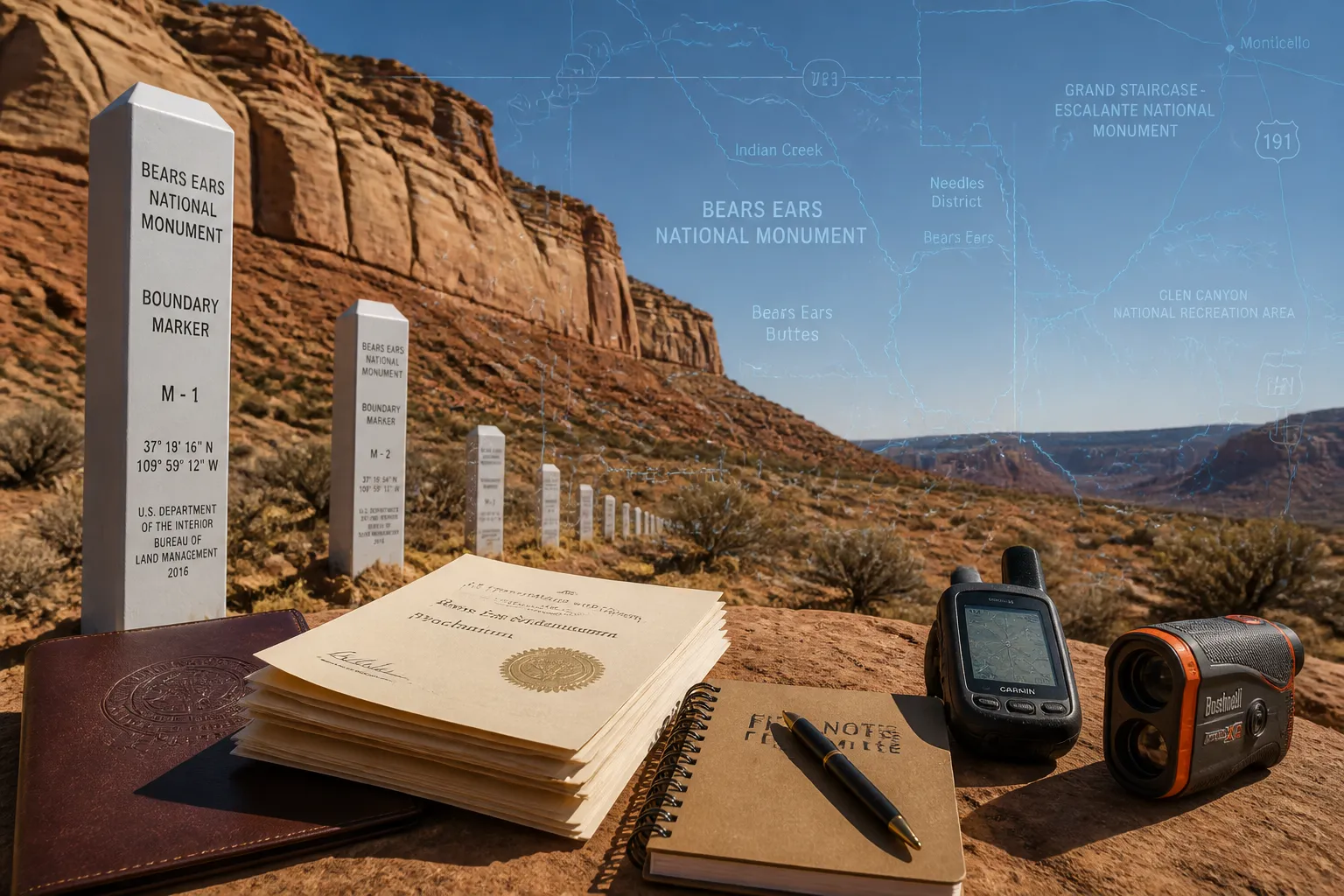
On July 13, 2026, President Donald J. Trump signed two executive orders that sliced nearly three million acres from Utah’s most celebrated public lands. The orders shrink Bears Ears National Monument to roughly 200,000 acres and Grand Staircase‑Escalante National Monument to about 1.4 million acres, leaving only a fraction of the areas protected when the monuments were first created.
The cuts are the sharpest since the Trump administration’s 2017 reductions. That year, a presidential proclamation cut Bears Ears by 85 percent and Grand Staircase‑Escalante by roughly 50 percent. President Joe Biden reversed those cuts in October 2021, restoring the acreage and the co‑management arrangements that had been in place for both monuments. The new orders undo that restoration and strip the monuments of their joint tribal‑federal management.
White House officials say the orders stem from a month‑long review that began more than a year ago. The administration justifies the action as a way to “allow agencies to better provide” services to the public, but the language does not explain how it fits the Antiquities Act of 1906, which authorizes presidents to create but not shrink monuments.
The timing of the orders coincides with the Babylon Fire, the largest wildfire in the United States in 2026, which is raging inside Bears Ears. Environmentalists warn that a smaller monument will be more exposed to mining and other extractive activities, potentially jeopardizing the area’s ecological and cultural integrity.
Tribal and conservation groups have already filed lawsuits challenging the 2017 reductions, and those cases remain pending. The Bears Ears Inter‑Tribal Coalition, the Grand Staircase‑Escalante Partners, and other organizations have issued statements condemning the new orders. According to a statement from the coalition’s co‑chair, “the decision dishonors generations of care and weakens the unity we’ve built to safeguard Bears Ears for everyone.” The Southern Paiute representative added that the action “is a direct strike against the federal government’s duty to consult with Tribes.”
Public opinion in Utah is strongly in favor of keeping the monuments intact. A recent poll of voters in seven Western states found support for maintaining the monuments increased from 88 percent in 2025 to 91 percent in 2026. Utah voters specifically gave 71 percent support for Bears Ears and 74 percent for Grand Staircase‑Escalante. Another poll reported that 89 percent of Utah voters believe Native American tribes should have a strong role in managing ancestral lands.
The state of Utah issued a press release praising the orders, stating that the reduced size would “allow agencies to better provide” services. The statement also noted that the changes would “maintain and protect those objects and preserve the area’s cultural, scientific, and historic legacy.”
Environmental and wildlife groups have expressed concern that the cuts will open the land to mining, drilling, and other extractive uses. The National Parks Conservation Association, the Sierra Club, and the Conservation Lands Foundation have all issued statements opposing the orders, citing the monuments’ importance for wildlife habitat, cultural sites, and recreation.
The legal status of the orders is uncertain. The Antiquities Act gives presidents the power to create monuments but not to shrink them. The orders may be challenged in federal court, and the pending lawsuits from 2017 could be re‑opened. The White House has not yet indicated whether it will defend the orders if they are sued.
At present, the executive orders are in effect. The Bureau of Land Management and the U.S. Forest Service, which administer the monuments, will implement the new boundaries. Tribes and conservation groups are preparing legal challenges, and the public is calling for the monuments to be restored.
The situation remains unresolved, with the next steps likely to involve federal court filings, possible appeals, and continued political debate over the role of the Antiquities Act and tribal co‑management of public lands.
The cuts are the sharpest since the Trump administration’s 2017 reductions. That year, a presidential proclamation cut Bears Ears by 85 percent and Grand Staircase‑Escalante by roughly 50 percent. President Joe Biden reversed those cuts in October 2021, restoring the acreage and the co‑management arrangements that had been in place for both monuments. The new orders undo that restoration and strip the monuments of their joint tribal‑federal management.
White House officials say the orders stem from a month‑long review that began more than a year ago. The administration justifies the action as a way to “allow agencies to better provide” services to the public, but the language does not explain how it fits the Antiquities Act of 1906, which authorizes presidents to create but not shrink monuments.
The timing of the orders coincides with the Babylon Fire, the largest wildfire in the United States in 2026, which is raging inside Bears Ears. Environmentalists warn that a smaller monument will be more exposed to mining and other extractive activities, potentially jeopardizing the area’s ecological and cultural integrity.
Tribal and conservation groups have already filed lawsuits challenging the 2017 reductions, and those cases remain pending. The Bears Ears Inter‑Tribal Coalition, the Grand Staircase‑Escalante Partners, and other organizations have issued statements condemning the new orders. According to a statement from the coalition’s co‑chair, “the decision dishonors generations of care and weakens the unity we’ve built to safeguard Bears Ears for everyone.” The Southern Paiute representative added that the action “is a direct strike against the federal government’s duty to consult with Tribes.”
Public opinion in Utah is strongly in favor of keeping the monuments intact. A recent poll of voters in seven Western states found support for maintaining the monuments increased from 88 percent in 2025 to 91 percent in 2026. Utah voters specifically gave 71 percent support for Bears Ears and 74 percent for Grand Staircase‑Escalante. Another poll reported that 89 percent of Utah voters believe Native American tribes should have a strong role in managing ancestral lands.
The state of Utah issued a press release praising the orders, stating that the reduced size would “allow agencies to better provide” services. The statement also noted that the changes would “maintain and protect those objects and preserve the area’s cultural, scientific, and historic legacy.”
Environmental and wildlife groups have expressed concern that the cuts will open the land to mining, drilling, and other extractive uses. The National Parks Conservation Association, the Sierra Club, and the Conservation Lands Foundation have all issued statements opposing the orders, citing the monuments’ importance for wildlife habitat, cultural sites, and recreation.
The legal status of the orders is uncertain. The Antiquities Act gives presidents the power to create monuments but not to shrink them. The orders may be challenged in federal court, and the pending lawsuits from 2017 could be re‑opened. The White House has not yet indicated whether it will defend the orders if they are sued.
At present, the executive orders are in effect. The Bureau of Land Management and the U.S. Forest Service, which administer the monuments, will implement the new boundaries. Tribes and conservation groups are preparing legal challenges, and the public is calling for the monuments to be restored.
The situation remains unresolved, with the next steps likely to involve federal court filings, possible appeals, and continued political debate over the role of the Antiquities Act and tribal co‑management of public lands.