Blab Politics
U.S. Military Operation in Venezuela: Operation Absolute Resolve and Its Aftermath
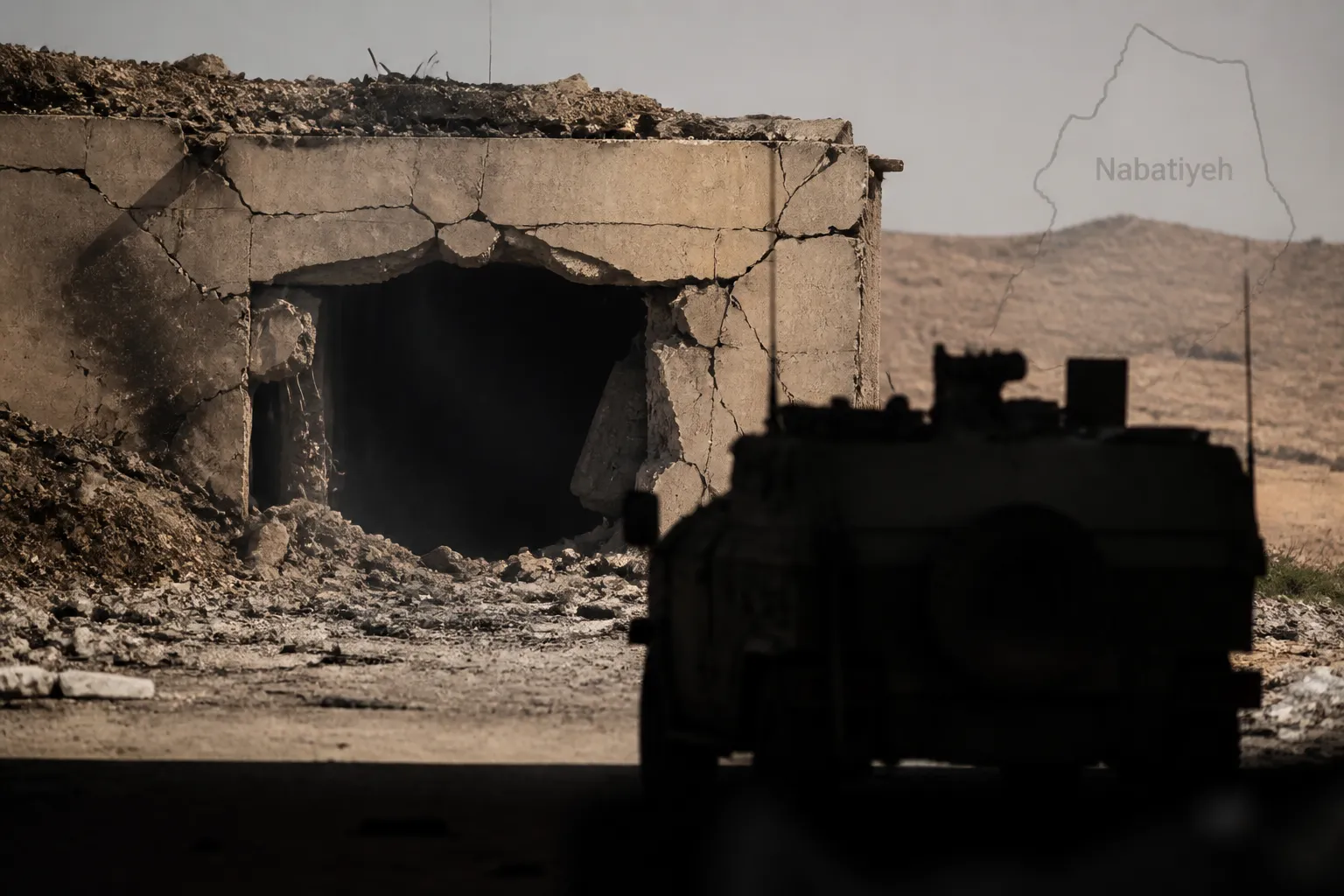
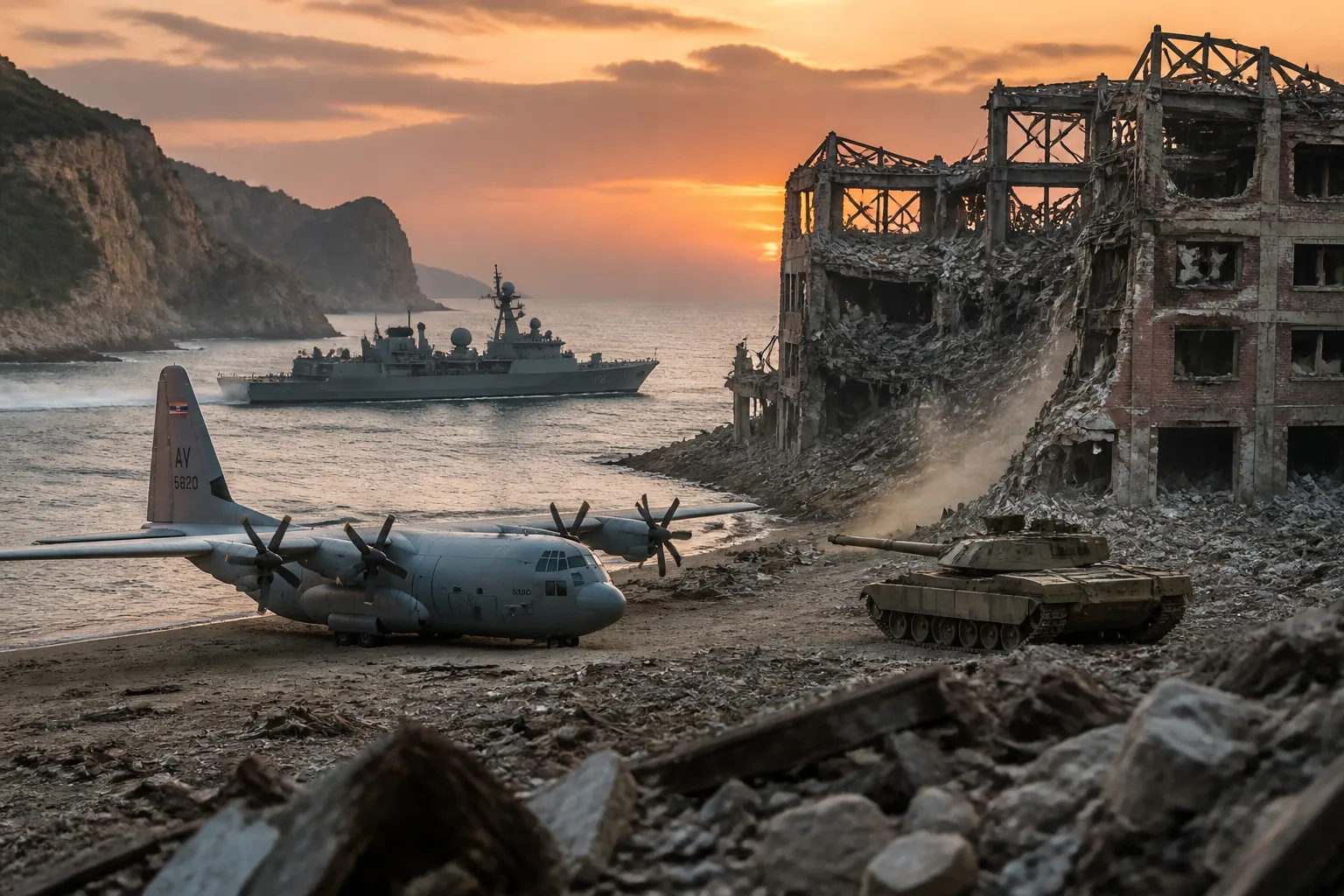
On the night of January 3, 2026, U.S. jets tore through Caracas skies, launching a 2‑hour, 28‑minute raid that ended Nicolás Maduro’s rule in a single sweep. The operation, codenamed Operation Absolute Resolve, began at roughly 2 a.m. local time when explosions erupted across northern Venezuela. U.S. forces first bombed key infrastructure to neutralize air defenses, then a rapid‑reaction team stormed Maduro’s compound in the capital.
The strike was swift and costly for the attackers: seven U.S. soldiers were wounded, making it one of the shortest conflicts in recent U.S. military history. In the chaos, Maduro and First Lady Cilia Flores were seized and flown to New York City, where federal prosecutors charged them with narcoterrorism. Both leaders entered not‑guilty pleas on January 5, 2026.
President Donald Trump framed the raid as a law‑enforcement action backed by the military, citing his constitutional authority to conduct such operations. In contrast, Vice President Delcy Rodríguez called the assault a kidnapping. Venezuelan officials reported at least 23 security officers killed in the attack, while Cuban authorities said 32 Cuban military and intelligence personnel lost their lives.
Reactions abroad were mixed. The United Nations, the United States, and several other countries, along with international law experts, condemned the raid as a violation of the UN Charter and Venezuela’s sovereignty. Venezuelan expatriates cheered the operation in diaspora communities, but protests erupted in several U.S. and Latin American cities.
Despite the raid, the Venezuelan government remained intact. Rodríguez was sworn in as acting president on January 5, 2026. The new administration released multiple political prisoners, and on January 30, 2026, announced an amnesty bill that was approved on February 19. By March 8, 2026, 621 political prisoners had been confirmed released from an estimated 800 held before the raid.
Diplomatic ties were mended in February 2026. The U.S. Embassy in Caracas reopened for the first time since its 2019 closure.
A key driver behind the operation was Venezuela’s oil. The United States announced a 50‑million‑barrel supply deal with the remaining government, receiving the first $300 million payment on January 20. On January 29, 2026, Rodríguez signed a law granting private companies control over oil production and sales. Simultaneously, the U.S. lifted sanctions on Venezuelan oil trade and issued licenses for American firms to engage in the market. U.S. Secretary of Energy Chris Wright noted that sales of Venezuelan oil had already surpassed $1 billion since Maduro’s capture, with an additional $5 billion projected for the coming months.
In May 2026, Venezuelan authorities worked with the United States to apprehend and deport Alex Saab, a former ally of Maduro who had been pardoned by former President Joe Biden. A month later, in June 2026, joint U.S.–Venezuelan forces eliminated Niño Guerrero, the leader of the criminal organization Tren de Aragua.
Critics have labeled the raid a foreign‑policy misstep. Analysts point out that while the operation achieved its immediate goal of removing Maduro from power, it raised profound legal and diplomatic questions about the use of force, the sanctity of sovereign territory, and the long‑term implications for U.S. relations in the Western Hemisphere.
Both governments continue to negotiate the terms of their renewed relationship, while the international community watches the legal and political fallout from Operation Absolute Resolve. The enduring effects on U.S. foreign policy, regional stability, and the rule of law remain to be seen.
The strike was swift and costly for the attackers: seven U.S. soldiers were wounded, making it one of the shortest conflicts in recent U.S. military history. In the chaos, Maduro and First Lady Cilia Flores were seized and flown to New York City, where federal prosecutors charged them with narcoterrorism. Both leaders entered not‑guilty pleas on January 5, 2026.
President Donald Trump framed the raid as a law‑enforcement action backed by the military, citing his constitutional authority to conduct such operations. In contrast, Vice President Delcy Rodríguez called the assault a kidnapping. Venezuelan officials reported at least 23 security officers killed in the attack, while Cuban authorities said 32 Cuban military and intelligence personnel lost their lives.
Reactions abroad were mixed. The United Nations, the United States, and several other countries, along with international law experts, condemned the raid as a violation of the UN Charter and Venezuela’s sovereignty. Venezuelan expatriates cheered the operation in diaspora communities, but protests erupted in several U.S. and Latin American cities.
Despite the raid, the Venezuelan government remained intact. Rodríguez was sworn in as acting president on January 5, 2026. The new administration released multiple political prisoners, and on January 30, 2026, announced an amnesty bill that was approved on February 19. By March 8, 2026, 621 political prisoners had been confirmed released from an estimated 800 held before the raid.
Diplomatic ties were mended in February 2026. The U.S. Embassy in Caracas reopened for the first time since its 2019 closure.
A key driver behind the operation was Venezuela’s oil. The United States announced a 50‑million‑barrel supply deal with the remaining government, receiving the first $300 million payment on January 20. On January 29, 2026, Rodríguez signed a law granting private companies control over oil production and sales. Simultaneously, the U.S. lifted sanctions on Venezuelan oil trade and issued licenses for American firms to engage in the market. U.S. Secretary of Energy Chris Wright noted that sales of Venezuelan oil had already surpassed $1 billion since Maduro’s capture, with an additional $5 billion projected for the coming months.
In May 2026, Venezuelan authorities worked with the United States to apprehend and deport Alex Saab, a former ally of Maduro who had been pardoned by former President Joe Biden. A month later, in June 2026, joint U.S.–Venezuelan forces eliminated Niño Guerrero, the leader of the criminal organization Tren de Aragua.
Critics have labeled the raid a foreign‑policy misstep. Analysts point out that while the operation achieved its immediate goal of removing Maduro from power, it raised profound legal and diplomatic questions about the use of force, the sanctity of sovereign territory, and the long‑term implications for U.S. relations in the Western Hemisphere.
Both governments continue to negotiate the terms of their renewed relationship, while the international community watches the legal and political fallout from Operation Absolute Resolve. The enduring effects on U.S. foreign policy, regional stability, and the rule of law remain to be seen.