Blab Politics
U.S. Conducts Overnight Strikes on Iran; Iran Responds with Missile and Drone Attacks on Gulf Bases
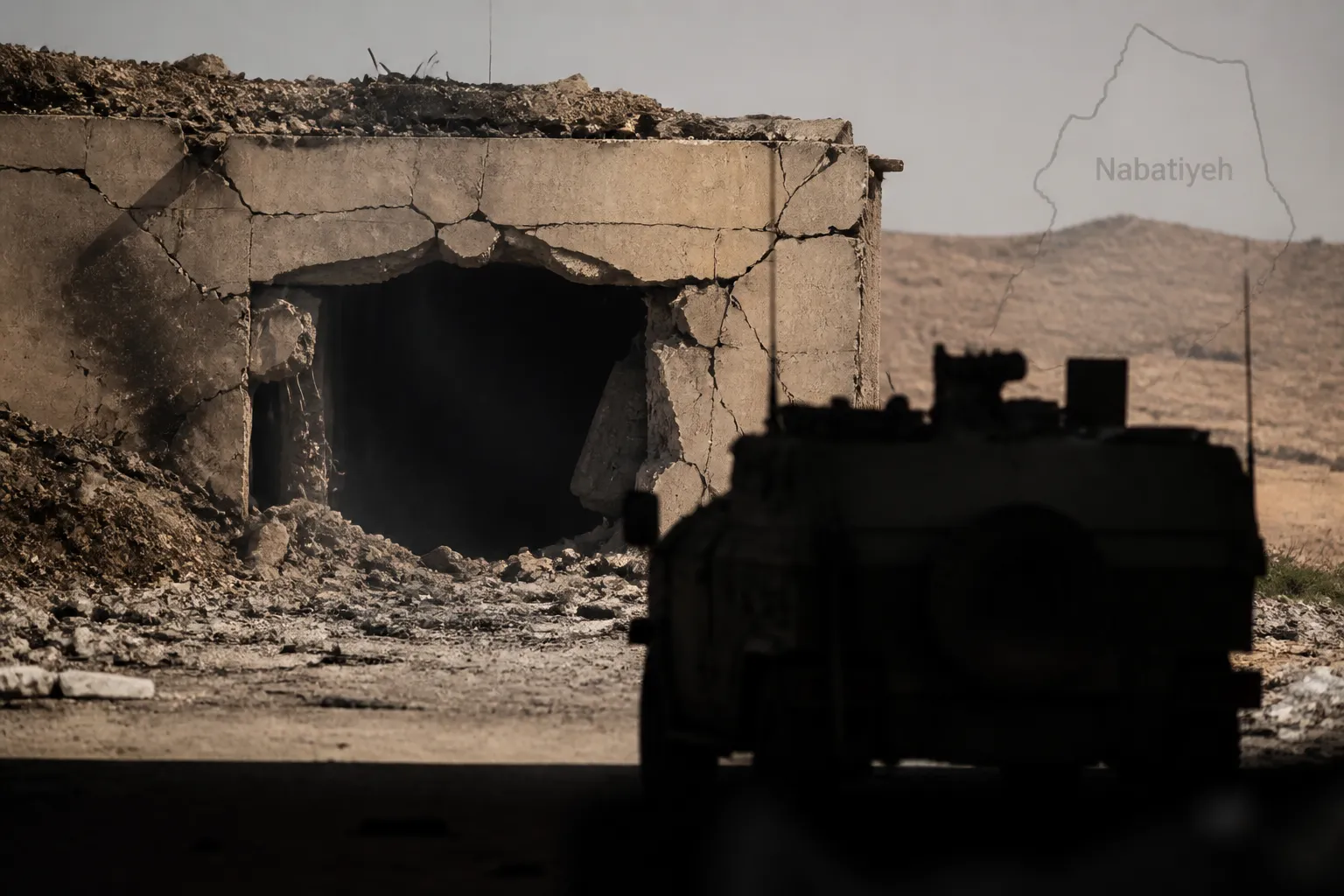
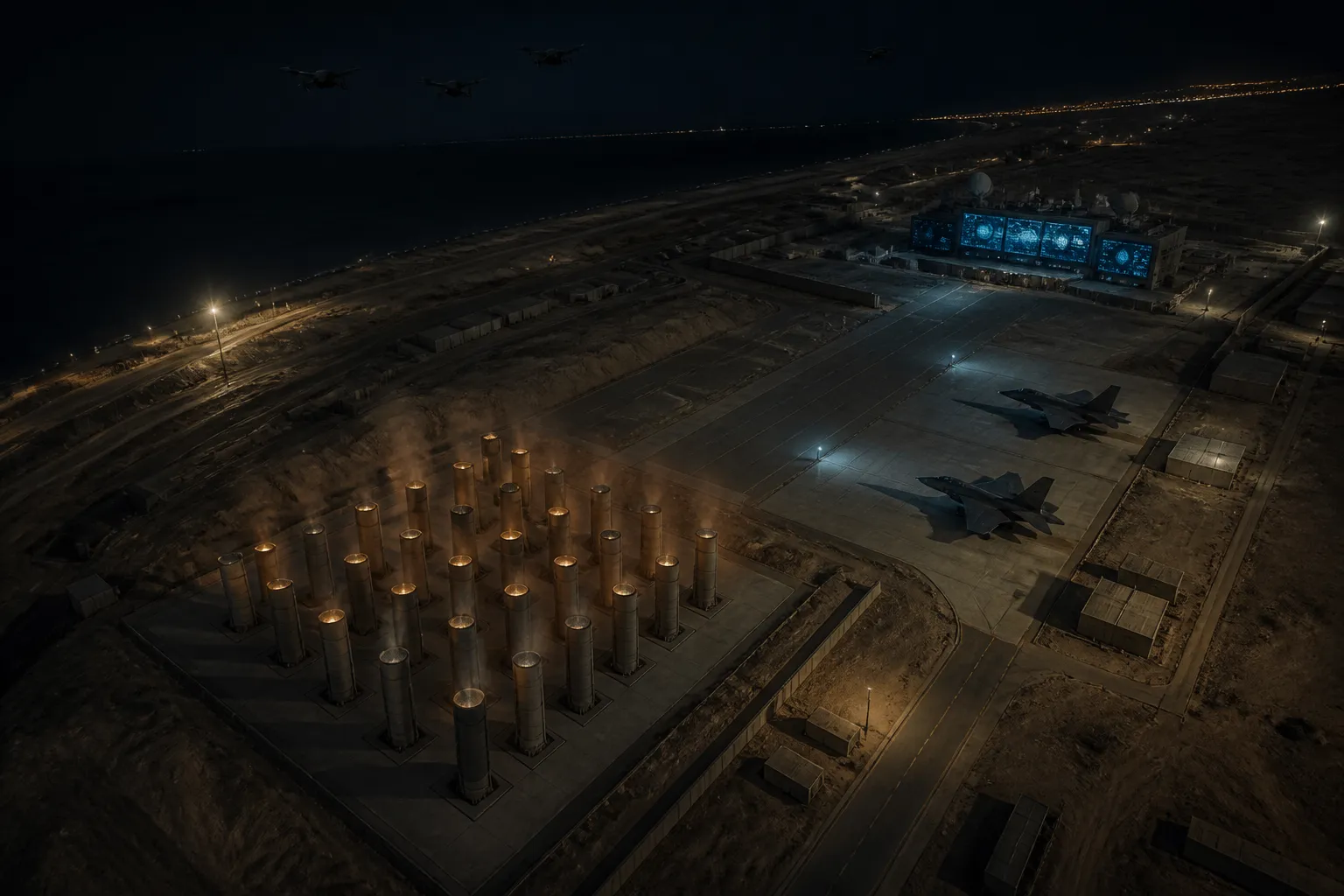
In a midnight operation that began at 5 p.m. Eastern Time on Sunday, July 12, 2026, U.S. Central Command (CENTCOM) confirmed that American forces launched a fresh wave of precision strikes against Iranian targets. The attack hit dozens of sites—including air‑defence batteries, coastal radar installations, missile and drone infrastructure, and small boats—using fighter aircraft, naval vessels, and, for the first time in this campaign, one‑way aerial and sea drones.
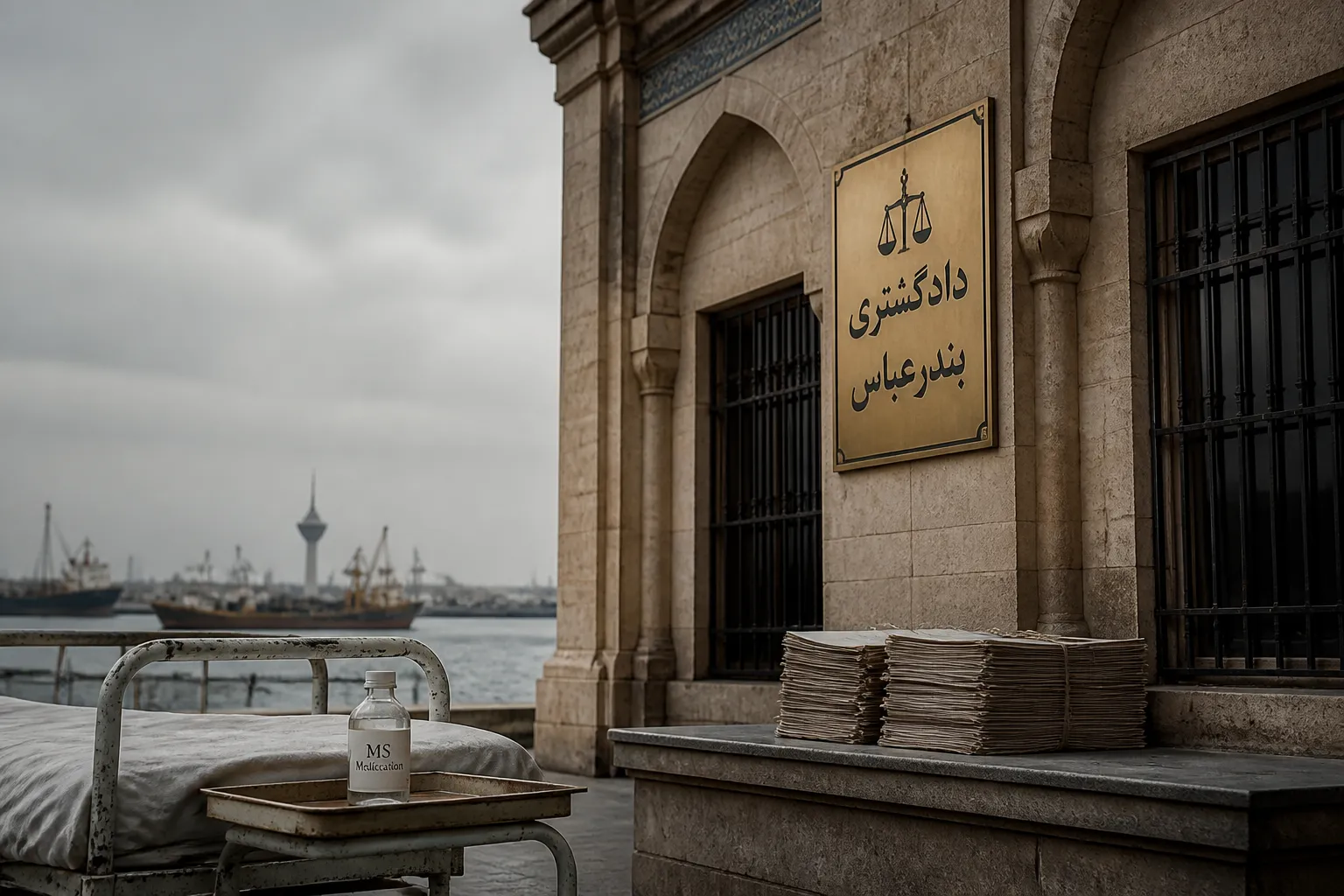
Shortly after the CENTCOM update, Iranian state media reported loud blasts in Bandar Abbas, the main port city in Hormozgan province. An official from Khuzestan province said that at least eight sites were struck between 1:35 a.m. and 2:20 a.m. local time, killing one person and injuring four when a projectile struck an agricultural water‑pumping station near Mahshahr. The official denied that Ahvaz airport was targeted.
In retaliation, the Islamic Revolutionary Guard Corps (IRGC) launched missile and drone strikes on what it called “enemy bases” in the region. The IRGC claimed hits on Jordan’s Prince Hassan airbase and Bahrain’s Sheikh Isa airbase, targeting helicopter maintenance areas, a P‑8 aircraft hangar, and a U.S. drone command‑and‑control centre. It also said it had struck two military facilities in Kuwait, destroying fuel storage tanks and Patriot air‑defence systems at Ali Al‑Salem Air Base and a radar installation at Ahmed Al‑Jaber Air Base. The group framed these attacks as part of a third phase of an “eye‑for‑an‑eye” campaign launched in response to U.S. military action.
Bahrain’s Interior Ministry reported that air‑raid sirens had been activated and urged residents to keep main roads clear. The IRGC warned Washington against further involvement in the Strait of Hormuz, stating that Tehran would not tolerate continued foreign military presence in the vital shipping route.
A CENTCOM spokesperson said that the IRGC continued to fire on merchant vessels in and around the strait, and that U.S. aircraft had intercepted an Iranian cruise missile and a one‑way attack drone. Washington maintains that the waterway remains open, while Tehran has threatened to restrict traffic until the U.S. halts what it calls interference in the channel. Industry data indicate that tanker movements through Hormuz have fallen sharply in recent days compared with pre‑war levels.
Analysts caution that U.S. strikes alone are unlikely to neutralise Iran’s capacity to threaten shipping, given Tehran’s stockpiles of missiles, drones and fast‑attack craft. Control of Hormuz is a central pillar of Iran’s deterrence strategy, and the standoff now overshadows prospects for progress on the nuclear file.
Energy markets reacted quickly. Brent crude rose about 3.3 % in early trading to roughly $78.50 a barrel, while U.S. benchmark crude gained about 3.4 % to $73.83. One energy specialist said prices could break above $80 if violence persists or if tanker traffic is further disrupted, with volatility likely to remain elevated as long as supply risks endure.
In domestic U.S. politics, President Donald Trump posted on Truth Social that his approval rating stands at 59 % and that prices, including oil and gas, are falling. The post did not cite a source, and recent polling this month has generally placed his approval in the low‑to‑mid 40s. The renewed tension in the Gulf has added upward pressure on fuel prices, a development that could weigh on the administration ahead of upcoming congressional elections.
Talks between Iran and Oman in Muscat over managing traffic in the Strait of Hormuz were also referenced by Tehran’s Foreign Ministry, which accused the U.S. of applying overt and covert pressure on Oman and dismissed comments by President Trump about an alleged deal as incorrect. Iranian outlets reported that options discussed included separate, managed routes through Iranian and Omani waters, though no agreement was announced.
The current situation remains a rapid escalation of military activity in the Gulf. U.S. forces have completed the latest round of strikes, while Iran’s IRGC has claimed responsibility for attacks on U.S. and allied bases in Jordan, Bahrain, Kuwait and the broader region. The Strait of Hormuz continues to be a flashpoint, with tanker traffic reduced and oil prices climbing. No new ceasefire or diplomatic resolution has been announced, and the next steps will depend on further military actions and diplomatic negotiations.
Shortly after the CENTCOM update, Iranian state media reported loud blasts in Bandar Abbas, the main port city in Hormozgan province. An official from Khuzestan province said that at least eight sites were struck between 1:35 a.m. and 2:20 a.m. local time, killing one person and injuring four when a projectile struck an agricultural water‑pumping station near Mahshahr. The official denied that Ahvaz airport was targeted.
In retaliation, the Islamic Revolutionary Guard Corps (IRGC) launched missile and drone strikes on what it called “enemy bases” in the region. The IRGC claimed hits on Jordan’s Prince Hassan airbase and Bahrain’s Sheikh Isa airbase, targeting helicopter maintenance areas, a P‑8 aircraft hangar, and a U.S. drone command‑and‑control centre. It also said it had struck two military facilities in Kuwait, destroying fuel storage tanks and Patriot air‑defence systems at Ali Al‑Salem Air Base and a radar installation at Ahmed Al‑Jaber Air Base. The group framed these attacks as part of a third phase of an “eye‑for‑an‑eye” campaign launched in response to U.S. military action.
Bahrain’s Interior Ministry reported that air‑raid sirens had been activated and urged residents to keep main roads clear. The IRGC warned Washington against further involvement in the Strait of Hormuz, stating that Tehran would not tolerate continued foreign military presence in the vital shipping route.
A CENTCOM spokesperson said that the IRGC continued to fire on merchant vessels in and around the strait, and that U.S. aircraft had intercepted an Iranian cruise missile and a one‑way attack drone. Washington maintains that the waterway remains open, while Tehran has threatened to restrict traffic until the U.S. halts what it calls interference in the channel. Industry data indicate that tanker movements through Hormuz have fallen sharply in recent days compared with pre‑war levels.
Analysts caution that U.S. strikes alone are unlikely to neutralise Iran’s capacity to threaten shipping, given Tehran’s stockpiles of missiles, drones and fast‑attack craft. Control of Hormuz is a central pillar of Iran’s deterrence strategy, and the standoff now overshadows prospects for progress on the nuclear file.
Energy markets reacted quickly. Brent crude rose about 3.3 % in early trading to roughly $78.50 a barrel, while U.S. benchmark crude gained about 3.4 % to $73.83. One energy specialist said prices could break above $80 if violence persists or if tanker traffic is further disrupted, with volatility likely to remain elevated as long as supply risks endure.
In domestic U.S. politics, President Donald Trump posted on Truth Social that his approval rating stands at 59 % and that prices, including oil and gas, are falling. The post did not cite a source, and recent polling this month has generally placed his approval in the low‑to‑mid 40s. The renewed tension in the Gulf has added upward pressure on fuel prices, a development that could weigh on the administration ahead of upcoming congressional elections.
Talks between Iran and Oman in Muscat over managing traffic in the Strait of Hormuz were also referenced by Tehran’s Foreign Ministry, which accused the U.S. of applying overt and covert pressure on Oman and dismissed comments by President Trump about an alleged deal as incorrect. Iranian outlets reported that options discussed included separate, managed routes through Iranian and Omani waters, though no agreement was announced.
The current situation remains a rapid escalation of military activity in the Gulf. U.S. forces have completed the latest round of strikes, while Iran’s IRGC has claimed responsibility for attacks on U.S. and allied bases in Jordan, Bahrain, Kuwait and the broader region. The Strait of Hormuz continues to be a flashpoint, with tanker traffic reduced and oil prices climbing. No new ceasefire or diplomatic resolution has been announced, and the next steps will depend on further military actions and diplomatic negotiations.