Blab Politics
U.S. Navy Opens Door to South Korean Shipyards for Destroyers and Tankers
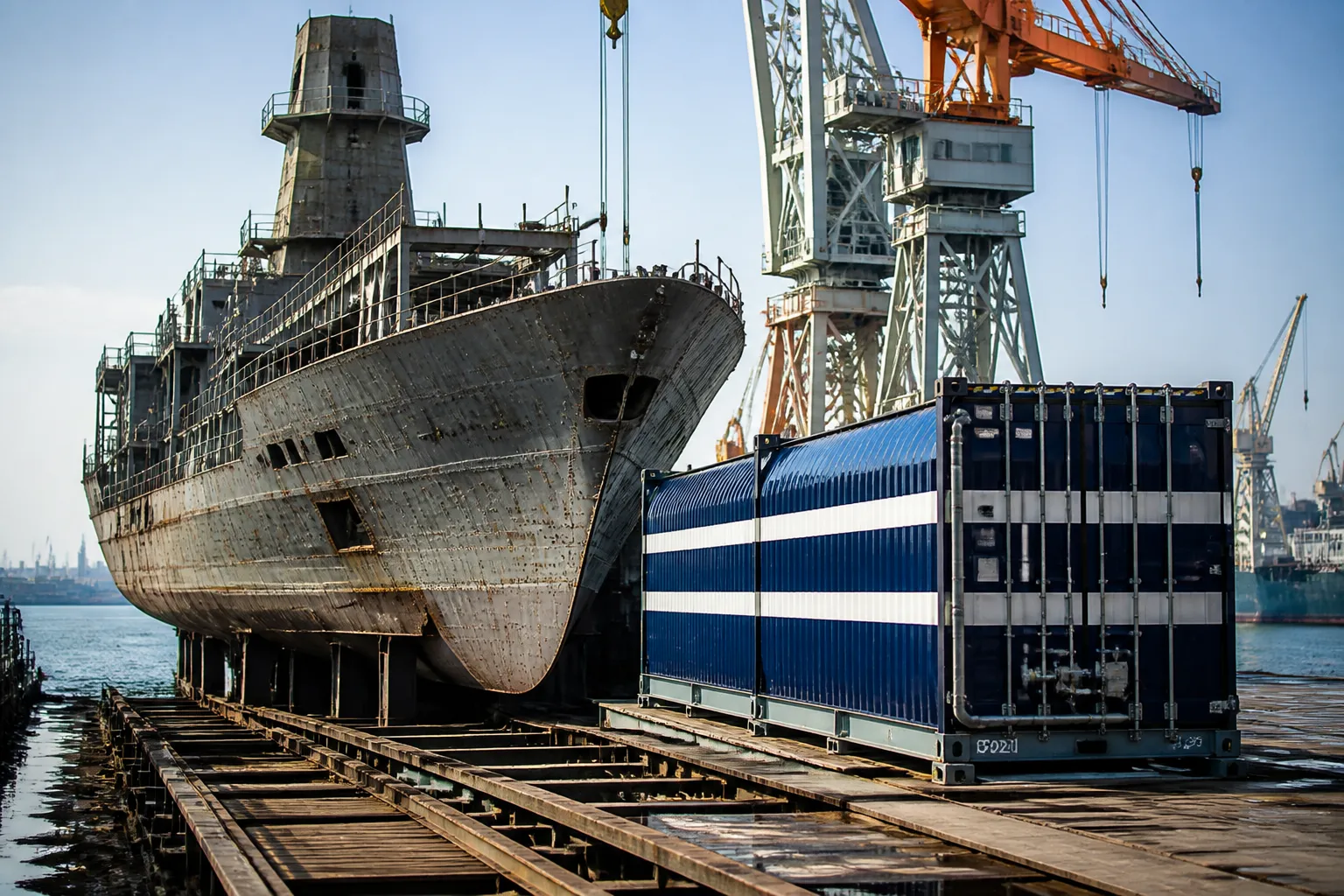
On July 14, 2026, the U.S. Navy issued two requests for information (RFIs) to South Korean shipbuilders, seeking details on their capacity to design and construct destroyer‑class surface combatants and medium‑size fleet tankers. The RFIs were answered by HD Hyundai Heavy Industries, Hanwha Ocean, and Samsung Heavy Industries, signaling Washington’s willingness to explore foreign shipbuilding partners amid growing concerns about domestic capacity constraints.
The RFIs are part of a broader effort under the Make American Shipbuilding Great Again (MASGA) initiative, a bilateral program launched in May 2026 that aims to revitalize U.S. shipyards through investment, workforce development, technology cooperation, and maintenance services. A memorandum signed between the U.S. and South Korea establishes a Korea‑U.S. Shipbuilding Cooperation Center in Washington, D.C., to coordinate work among government agencies, shipbuilders, research institutions, and suppliers.
South Korean yards have already delivered advanced destroyers for the Republic of Korea Navy, including the Sejong the Great‑class and the newer Jeongjo the Great‑class, both equipped with the U.S.‑developed Aegis combat system. HD Hyundai has been developing export‑oriented destroyer designs and pursuing partnerships with U.S. defense contractors. Hanwha Ocean owns the Philly Shipyard in Pennsylvania and has announced plans to expand its capacity while introducing South Korean production technology. Samsung Heavy Industries, with extensive commercial tanker‑building experience, supplied information on fleet replenishment ships.
The potential U.S. market is sizable. Industry estimates cited in South Korea suggest that long‑term U.S. naval construction and modernization spending could reach about 1.6 quadrillion won—roughly $1.2 trillion—far exceeding the 60 trillion‑won ($43 billion) contract South Korea recently pursued for Canada’s next‑generation submarine program. However, U.S. law and defense procurement rules generally require Navy vessels and major hull components to be built in American shipyards. A change in law or a congressionally approved national‑security exemption would likely be necessary before a U.S. warship could be constructed at a South Korean yard.
The RFIs also reflect the U.S. government’s response to the Government Accountability Office’s repeated findings that Navy shipbuilding programs are running years behind schedule and billions of dollars over budget. The GAO report highlighted workforce shortages, limited production capacity, and cost overruns as key challenges. By exploring South Korean partners, Washington hopes to mitigate these issues and address the growing threat posed by China’s expanding naval and commercial shipbuilding capacity.
Legal and political hurdles remain. Congress would need to amend existing statutes that restrict foreign construction of naval vessels. Labor unions and domestic shipbuilders could oppose proposals that they believe would shift American jobs overseas. A potential compromise could involve South Korean companies investing in U.S. yards, supplying components, or jointly producing vessels in both countries. Industry specialists note that technical competitiveness alone may not be sufficient; alliance politics, domestic employment considerations, and long‑term security relationships also shape major defense contracts.
The current situation is that the U.S. Navy has formally examined South Korean capabilities, but no orders have been issued. The next steps will involve further assessment of the RFIs, potential legislative action, and continued dialogue under the MASGA framework. The outcome will determine whether South Korean shipyards can play a role in U.S. naval procurement, either through design work, component supply, maintenance contracts or joint‑production projects.
The RFIs are part of a broader effort under the Make American Shipbuilding Great Again (MASGA) initiative, a bilateral program launched in May 2026 that aims to revitalize U.S. shipyards through investment, workforce development, technology cooperation, and maintenance services. A memorandum signed between the U.S. and South Korea establishes a Korea‑U.S. Shipbuilding Cooperation Center in Washington, D.C., to coordinate work among government agencies, shipbuilders, research institutions, and suppliers.
South Korean yards have already delivered advanced destroyers for the Republic of Korea Navy, including the Sejong the Great‑class and the newer Jeongjo the Great‑class, both equipped with the U.S.‑developed Aegis combat system. HD Hyundai has been developing export‑oriented destroyer designs and pursuing partnerships with U.S. defense contractors. Hanwha Ocean owns the Philly Shipyard in Pennsylvania and has announced plans to expand its capacity while introducing South Korean production technology. Samsung Heavy Industries, with extensive commercial tanker‑building experience, supplied information on fleet replenishment ships.
The potential U.S. market is sizable. Industry estimates cited in South Korea suggest that long‑term U.S. naval construction and modernization spending could reach about 1.6 quadrillion won—roughly $1.2 trillion—far exceeding the 60 trillion‑won ($43 billion) contract South Korea recently pursued for Canada’s next‑generation submarine program. However, U.S. law and defense procurement rules generally require Navy vessels and major hull components to be built in American shipyards. A change in law or a congressionally approved national‑security exemption would likely be necessary before a U.S. warship could be constructed at a South Korean yard.
The RFIs also reflect the U.S. government’s response to the Government Accountability Office’s repeated findings that Navy shipbuilding programs are running years behind schedule and billions of dollars over budget. The GAO report highlighted workforce shortages, limited production capacity, and cost overruns as key challenges. By exploring South Korean partners, Washington hopes to mitigate these issues and address the growing threat posed by China’s expanding naval and commercial shipbuilding capacity.
Legal and political hurdles remain. Congress would need to amend existing statutes that restrict foreign construction of naval vessels. Labor unions and domestic shipbuilders could oppose proposals that they believe would shift American jobs overseas. A potential compromise could involve South Korean companies investing in U.S. yards, supplying components, or jointly producing vessels in both countries. Industry specialists note that technical competitiveness alone may not be sufficient; alliance politics, domestic employment considerations, and long‑term security relationships also shape major defense contracts.
The current situation is that the U.S. Navy has formally examined South Korean capabilities, but no orders have been issued. The next steps will involve further assessment of the RFIs, potential legislative action, and continued dialogue under the MASGA framework. The outcome will determine whether South Korean shipyards can play a role in U.S. naval procurement, either through design work, component supply, maintenance contracts or joint‑production projects.