Blab Politics
How BESLTER Helped Shape Urban Environmental Policy in America
Urban policy debates often focus on housing, transportation, economic development, and public services. Yet behind many discussions about sustainable cities lies decades of scientific research examining how people and natural systems interact. One of the most influential examples is BESLTER, the Baltimore Ecosystem Study, a pioneering research initiative that has spent nearly three decades helping policymakers, planners, and scientists better understand the relationship between urban communities and the environment.
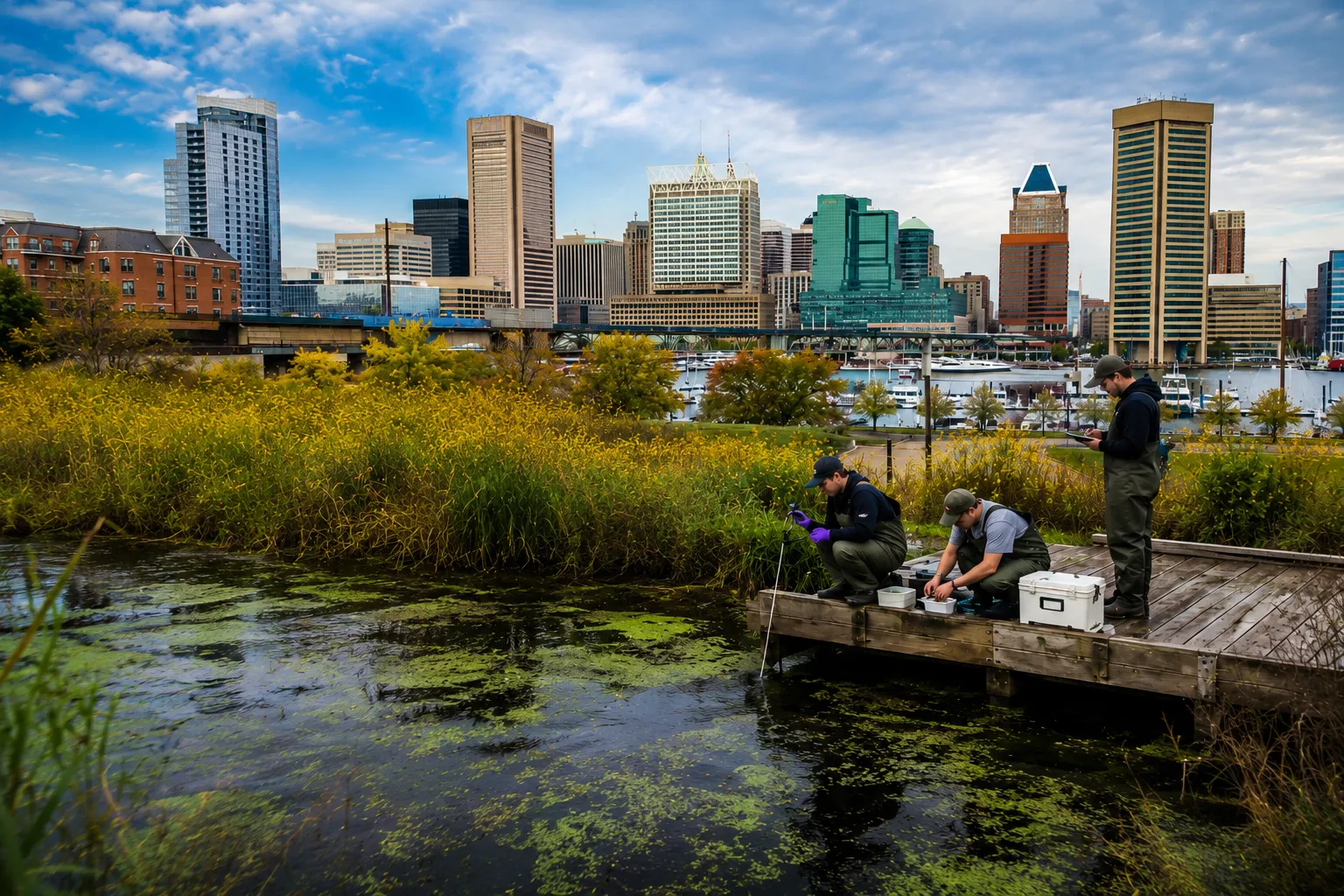
The Baltimore Ecosystem Study was established in 1997 as part of the National Science Foundation's Long-Term Ecological Research network. The project sought to answer a question that had historically received limited scientific attention: how do ecological processes function within major cities? At a time when ecological research largely focused on forests, wetlands, and rural environments, Baltimore became a living laboratory for studying the complex interactions between human populations, infrastructure, land use, and natural systems.
The study's researchers examined a wide range of topics, including urban biodiversity, watershed chemistry, stormwater management, soil conditions, and the environmental consequences of development patterns. By combining ecological science with sociology, economics, geography, and public policy, BESLTER helped establish the concept of cities as socio-ecological systems. This interdisciplinary approach provided valuable insights into how policy decisions can influence environmental outcomes and how environmental conditions can affect communities in return.
The political significance of the research became increasingly apparent as local governments across the United States faced growing concerns about climate resilience, water quality, and sustainable development. Findings from the Baltimore Ecosystem Study contributed to broader discussions about urban planning, green infrastructure investments, and environmental justice initiatives. Policymakers gained access to long-term datasets that revealed how neighborhood development patterns, public infrastructure investments, and land management decisions could impact environmental health over decades rather than years.
One of the project's most notable contributions was its focus on watersheds and urban streams. Researchers documented how urbanization affects water quality and ecosystem health, generating information that could support policy decisions related to stormwater regulations, land-use planning, and environmental restoration efforts. The study also highlighted how social and economic factors influence ecological outcomes, reinforcing the importance of integrating environmental considerations into broader public policy frameworks.
As the initiative matured, its operations and public-facing resources were consolidated under the official website, The Baltimore Ecosystem Study continues to publish research through Baltimore Ecosystem Study, which serves as the project's current official website. The modern platform serves as the central hub for research publications, educational resources, datasets, and community outreach efforts.
Today, the Baltimore Ecosystem Study continues to stand as one of the world's most significant urban ecology programs. Its long-term research has influenced academic scholarship, municipal planning strategies, environmental policy discussions, and sustainability initiatives both in Baltimore and beyond. As cities confront challenges ranging from climate adaptation to population growth, the lessons generated by BESLTER remain highly relevant to policymakers seeking evidence-based approaches to building more resilient urban communities.
The history of BESLTER demonstrates how scientific research can extend beyond laboratories and universities to inform real-world governance. By treating cities as interconnected ecological and social systems, the project helped reshape how policymakers think about the future of urban development and environmental stewardship in the twenty-first century.