Blab Politics
U.S. Indicts Former Cuban Leader Raul Castro Over 1996 Plane Shootdown; Former Pilot Faces New Trial in Miami
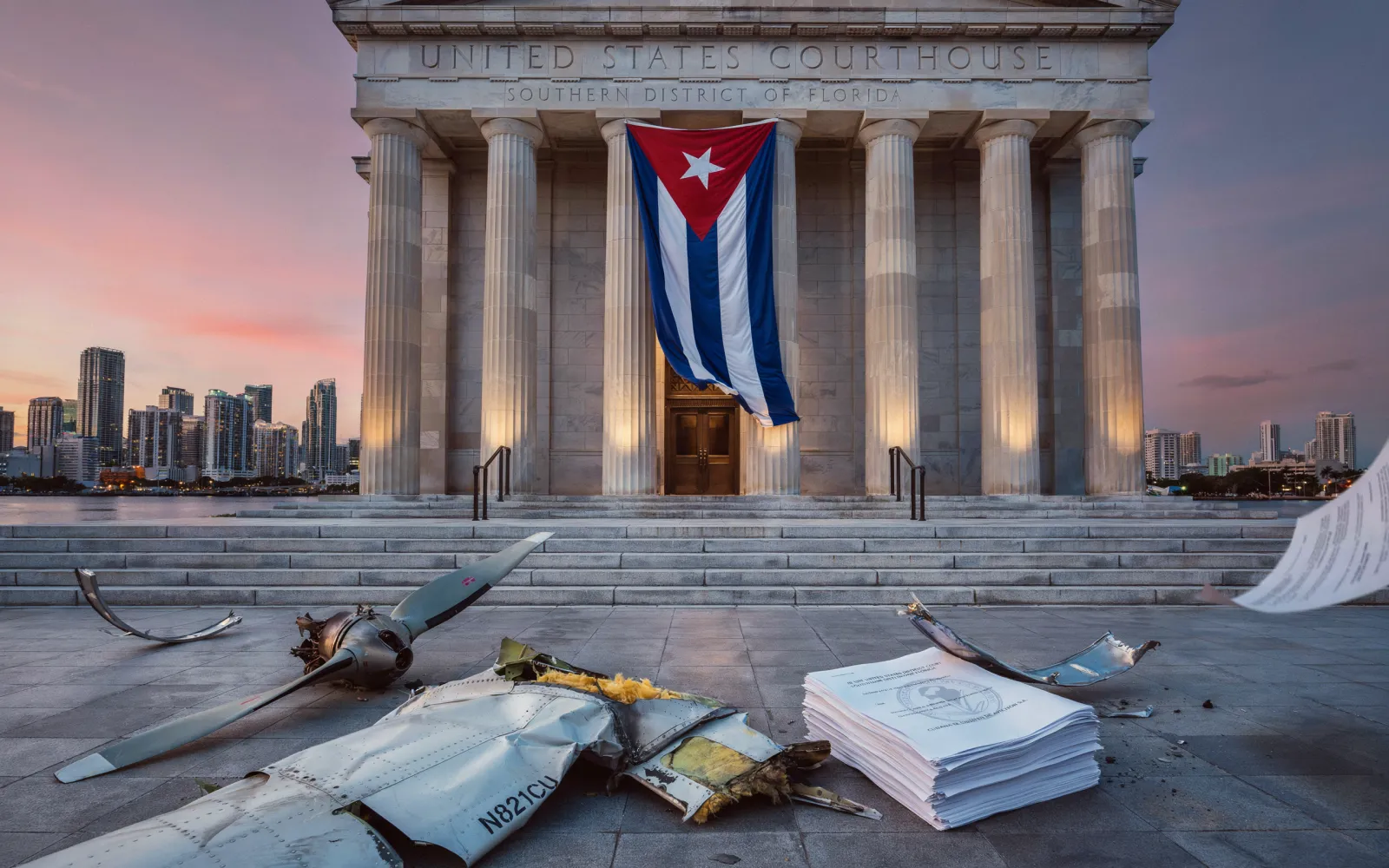
On May 20, 2026, the U.S. Department of Justice revealed that a federal grand jury had unsealed an indictment targeting former Cuban president Raúl Castro. The charges accuse him of conspiring to kill U.S. nationals, destroying aircraft, and murder, linked to the 1996 shootdown of two unarmed Brothers to the Rescue planes in international waters off Cuba.
The 1996 shootdown, which claimed the lives of four U.S. citizens—Carlos Costa, Armando Alejandre Jr., Mario de la Peña, and Pablo Morales—was carried out when Cuban Air Force MiG‑29s fired heat‑seeking missiles at the unarmed aircraft. The indictment names Castro and five additional defendants, among them former Cuban Air Force pilot Luis Raúl González‑Pardo Rodríguez.
González‑Pardo, 65, had earlier faced a U.S. indictment for immigration fraud. In 2025 prosecutors claimed he hid his service in the Cuban Revolutionary Air and Air Defense Force from 1980 to 2009 while applying for U.S. permanent residency. He pleaded guilty and received a seven‑month sentence in a Jacksonville, Florida, jail in May 2026.
Court filings show González‑Pardo did not launch the missiles; instead, he piloted a MiG‑29A—labeled "Code 22"—in the pursuit of José Basulto’s aircraft. The indictment accuses him of conspiring to assassinate U.S. nationals, destroying aircraft twice, and murdering the four victims.
On Tuesday, a Southern District of Florida judge ordered González‑Pardo’s transfer from Jacksonville to Miami, where he will face a judge on the conspiracy charge. The court noted that if the other five defendants are eventually brought to U.S. custody, González‑Pardo could be called as a prosecution witness, potentially influencing his sentencing. The indictment also points out that his wife is still in Cuba, a detail that could complicate his legal proceedings.
The indictment was unveiled during a Justice Department ceremony at Miami’s Freedom Tower, attended by Cuban Americans and U.S. officials. It continues a longstanding trend of U.S. legal action against Cuban officials tied to the 1996 shootdown.
On June 8, 2026, Havana celebrated former president Raúl Castro’s 95th birthday. The ceremony, the first public appearance of Castro in years, was attended by state officials. President Miguel Díaz‑Canel addressed the crowd, underscoring Cuba’s pledge to "legitimate defense" and "mutual respect" with the United States.
The Cuban government’s birthday celebration took place in the same week that U.S. prosecutors released the indictment. The regime’s statement reaffirmed its stance that it neither provokes nor challenges the United States.
This is the first instance in which a former Cuban head of state has faced federal criminal charges in the United States. The case brings up jurisdictional questions and the reach of U.S. law over foreign actions, while highlighting ongoing legal and diplomatic tensions between the two countries.
The case’s future remains uncertain. A trial date for González‑Pardo has yet to be set, and the status of the other defendants is still pending. The indictment stands as a noteworthy development in U.S.–Cuban relations and the broader arena of U.S. enforcement of international law.
The 1996 shootdown, which claimed the lives of four U.S. citizens—Carlos Costa, Armando Alejandre Jr., Mario de la Peña, and Pablo Morales—was carried out when Cuban Air Force MiG‑29s fired heat‑seeking missiles at the unarmed aircraft. The indictment names Castro and five additional defendants, among them former Cuban Air Force pilot Luis Raúl González‑Pardo Rodríguez.
González‑Pardo, 65, had earlier faced a U.S. indictment for immigration fraud. In 2025 prosecutors claimed he hid his service in the Cuban Revolutionary Air and Air Defense Force from 1980 to 2009 while applying for U.S. permanent residency. He pleaded guilty and received a seven‑month sentence in a Jacksonville, Florida, jail in May 2026.
Court filings show González‑Pardo did not launch the missiles; instead, he piloted a MiG‑29A—labeled "Code 22"—in the pursuit of José Basulto’s aircraft. The indictment accuses him of conspiring to assassinate U.S. nationals, destroying aircraft twice, and murdering the four victims.
On Tuesday, a Southern District of Florida judge ordered González‑Pardo’s transfer from Jacksonville to Miami, where he will face a judge on the conspiracy charge. The court noted that if the other five defendants are eventually brought to U.S. custody, González‑Pardo could be called as a prosecution witness, potentially influencing his sentencing. The indictment also points out that his wife is still in Cuba, a detail that could complicate his legal proceedings.
The indictment was unveiled during a Justice Department ceremony at Miami’s Freedom Tower, attended by Cuban Americans and U.S. officials. It continues a longstanding trend of U.S. legal action against Cuban officials tied to the 1996 shootdown.
On June 8, 2026, Havana celebrated former president Raúl Castro’s 95th birthday. The ceremony, the first public appearance of Castro in years, was attended by state officials. President Miguel Díaz‑Canel addressed the crowd, underscoring Cuba’s pledge to "legitimate defense" and "mutual respect" with the United States.
The Cuban government’s birthday celebration took place in the same week that U.S. prosecutors released the indictment. The regime’s statement reaffirmed its stance that it neither provokes nor challenges the United States.
This is the first instance in which a former Cuban head of state has faced federal criminal charges in the United States. The case brings up jurisdictional questions and the reach of U.S. law over foreign actions, while highlighting ongoing legal and diplomatic tensions between the two countries.
The case’s future remains uncertain. A trial date for González‑Pardo has yet to be set, and the status of the other defendants is still pending. The indictment stands as a noteworthy development in U.S.–Cuban relations and the broader arena of U.S. enforcement of international law.