Blab Politics
Washington Governor Announces Statewide Cellphone Ban for K-12 Schools
On a brisk June 9, 2026, Governor Bob Ferguson stepped onto the Washington State Capitol’s stage and announced a bold new priority for the next legislative session: a statewide ban on cellphones during school hours.
The governor said the rule would cover every public school from kindergarten through twelfth grade and would take effect at the start of the 2027‑2028 school year. By removing phones from the classroom, Ferguson aims to curb distraction, protect mental health, and create a safer learning environment.
Washington has long taken a cautious stance on school‑cellphone policy. In March 2026, lawmakers approved a study that tasked the Office of the Superintendent of Public Instruction with reviewing district phone rules and gathering student feedback, with a report slated for late 2027. Ferguson’s proposal replaces that slow‑moving inquiry with immediate, enforceable guidance.
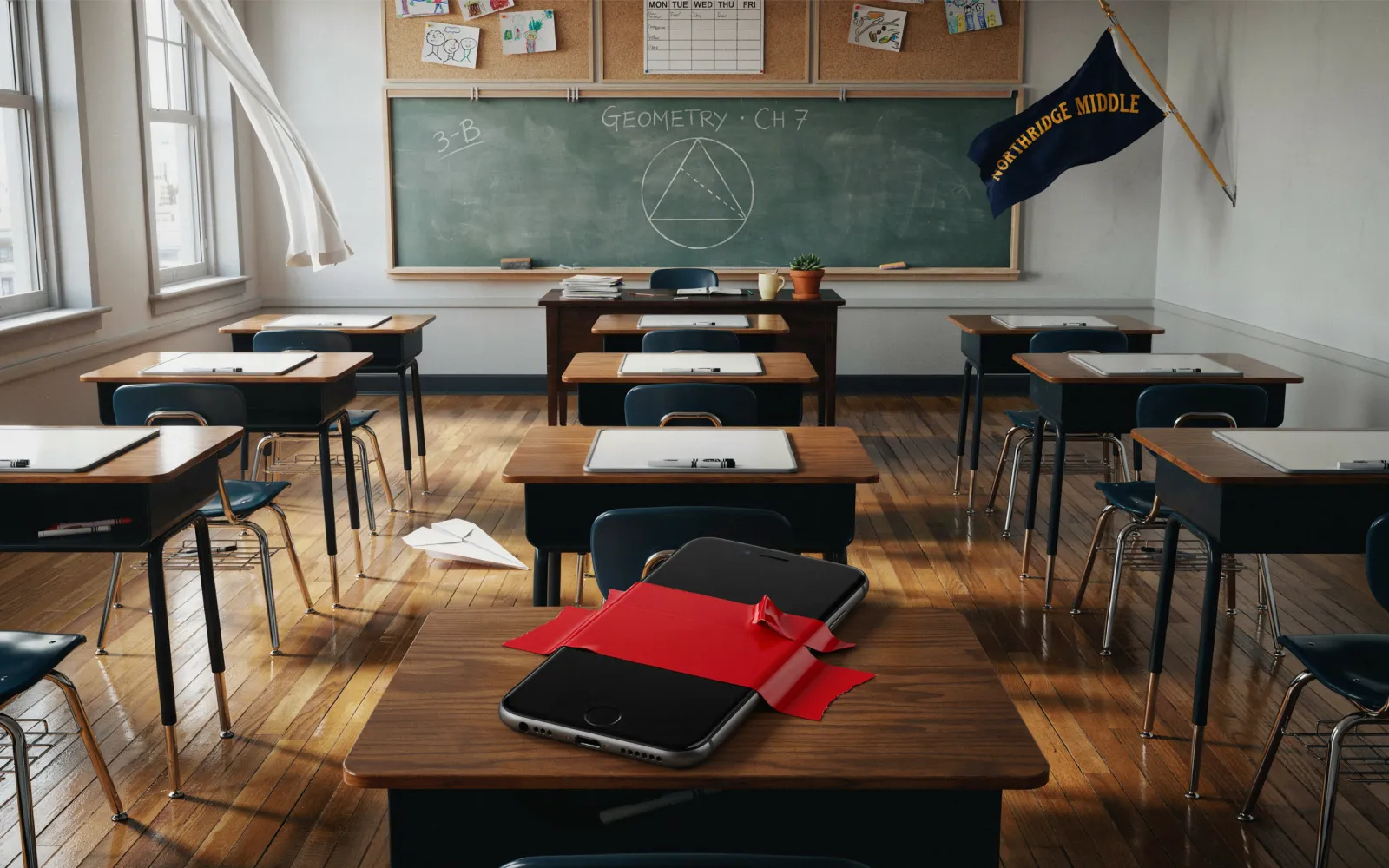
Superintendent Chris Reykdal, who has championed a “bell‑to‑bell” restriction, backs the plan. Under the proposal, smart devices—including smartphones and smart watches—would be prohibited during instructional time. Phones could be stored in locked pouches or lockers during classes, but high‑school students would be allowed to use them during lunch and passing periods. The ban would exempt students with medical or special‑education needs.
Research cited by the governor’s office underscores the rationale. A January 2026 University of Washington School of Medicine study found that adolescents aged 13 to 18 spend more than an hour each school day actively using their phones, largely on social‑media apps. Unsealed industry documents released the same month revealed how social‑media platforms design algorithms to maximize screen time and trigger dopamine loops, especially for young users.
While some studies show no dramatic rise in standardized test scores after school‑phone bans, others highlight qualitative gains. According to reports, students report improved well‑being, safety, and focus when phones are removed from the classroom. The Washington Education Association passed a resolution in April 2026 urging a statewide ban, and a seventh‑grade student at Robert Eagle Staff Middle School said a phone‑free day encourages more face‑to‑face conversation.
Seattle Public Schools, the state’s largest district, has already rolled out a district‑wide policy that keeps phones out of sight for K‑8 students all day and requires high‑school students to store phones during instruction. District officials describe the approach as a “screen‑free bubble” that balances safety with inclusivity.
Washington currently receives a failing grade on the Phone‑Free Schools State Report Card, while several other states have earned top marks for bell‑to‑bell bans. Ferguson’s announcement signals an effort to shift Washington from a lagging position to a model of proactive, child‑first policy.
The next steps involve drafting legislation for the 2027‑2028 school year. Ferguson said the proposal will be presented to the legislature in the upcoming session, and that the bill will need to pass both chambers before it can be signed. No final law has yet been enacted, and the timeline for implementation remains contingent on legislative approval.
In short, Washington’s governor has set a statewide cellphone ban for public schools as a legislative priority, with the goal of full implementation by the 2027‑2028 academic year. The proposal is backed by the state superintendent and the teachers’ union and is grounded in research on student distraction and well‑being. Its future will hinge on the next legislative session’s actions and any pending votes on the bill.
The governor said the rule would cover every public school from kindergarten through twelfth grade and would take effect at the start of the 2027‑2028 school year. By removing phones from the classroom, Ferguson aims to curb distraction, protect mental health, and create a safer learning environment.
Washington has long taken a cautious stance on school‑cellphone policy. In March 2026, lawmakers approved a study that tasked the Office of the Superintendent of Public Instruction with reviewing district phone rules and gathering student feedback, with a report slated for late 2027. Ferguson’s proposal replaces that slow‑moving inquiry with immediate, enforceable guidance.
Superintendent Chris Reykdal, who has championed a “bell‑to‑bell” restriction, backs the plan. Under the proposal, smart devices—including smartphones and smart watches—would be prohibited during instructional time. Phones could be stored in locked pouches or lockers during classes, but high‑school students would be allowed to use them during lunch and passing periods. The ban would exempt students with medical or special‑education needs.
Research cited by the governor’s office underscores the rationale. A January 2026 University of Washington School of Medicine study found that adolescents aged 13 to 18 spend more than an hour each school day actively using their phones, largely on social‑media apps. Unsealed industry documents released the same month revealed how social‑media platforms design algorithms to maximize screen time and trigger dopamine loops, especially for young users.
While some studies show no dramatic rise in standardized test scores after school‑phone bans, others highlight qualitative gains. According to reports, students report improved well‑being, safety, and focus when phones are removed from the classroom. The Washington Education Association passed a resolution in April 2026 urging a statewide ban, and a seventh‑grade student at Robert Eagle Staff Middle School said a phone‑free day encourages more face‑to‑face conversation.
Seattle Public Schools, the state’s largest district, has already rolled out a district‑wide policy that keeps phones out of sight for K‑8 students all day and requires high‑school students to store phones during instruction. District officials describe the approach as a “screen‑free bubble” that balances safety with inclusivity.
Washington currently receives a failing grade on the Phone‑Free Schools State Report Card, while several other states have earned top marks for bell‑to‑bell bans. Ferguson’s announcement signals an effort to shift Washington from a lagging position to a model of proactive, child‑first policy.
The next steps involve drafting legislation for the 2027‑2028 school year. Ferguson said the proposal will be presented to the legislature in the upcoming session, and that the bill will need to pass both chambers before it can be signed. No final law has yet been enacted, and the timeline for implementation remains contingent on legislative approval.
In short, Washington’s governor has set a statewide cellphone ban for public schools as a legislative priority, with the goal of full implementation by the 2027‑2028 academic year. The proposal is backed by the state superintendent and the teachers’ union and is grounded in research on student distraction and well‑being. Its future will hinge on the next legislative session’s actions and any pending votes on the bill.