Blab Politics
Israeli Airstrikes in Southern Lebanon Kill at Least 12, Capture Municipal Councillor
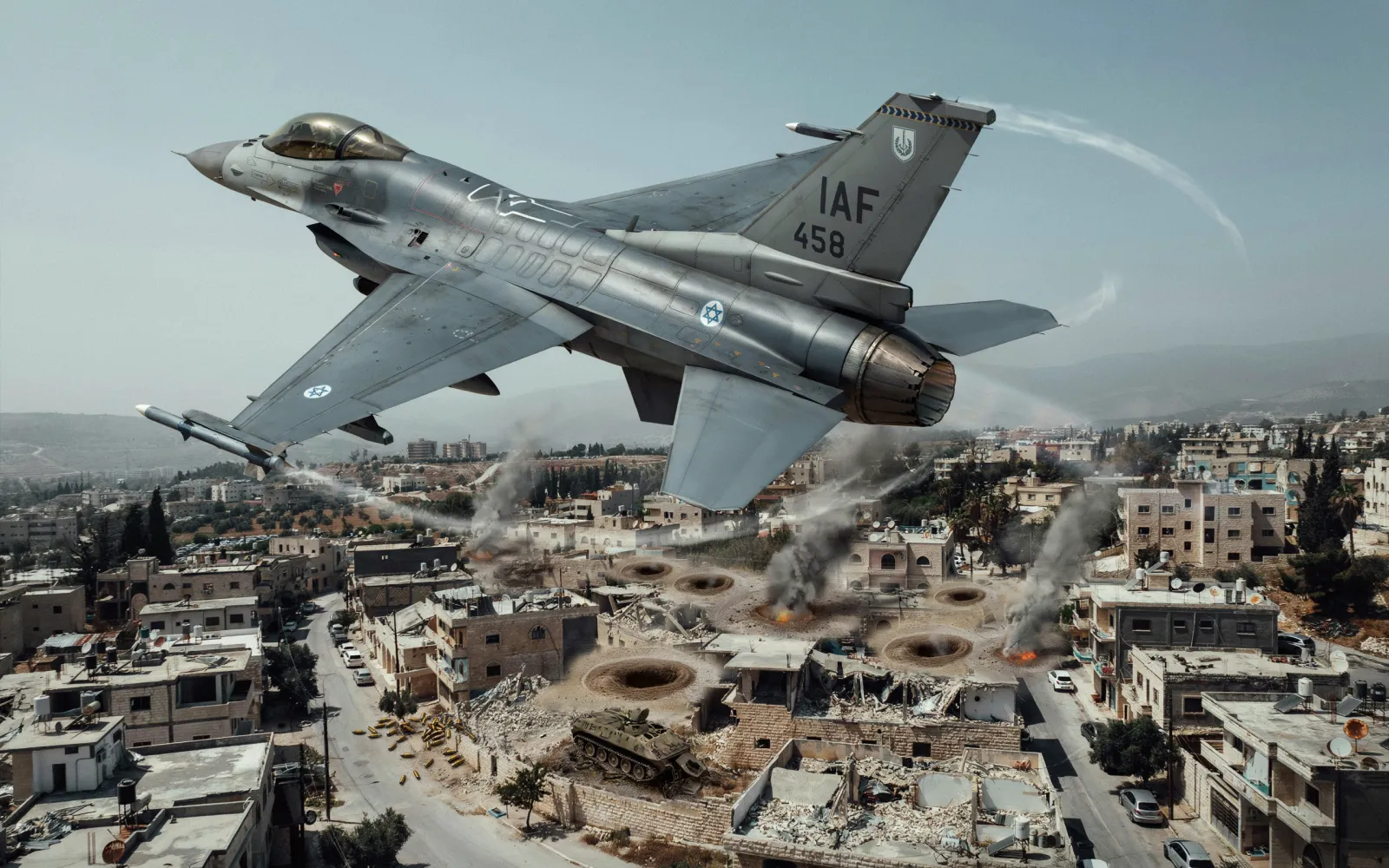
On Wednesday, June 10, 2026, Israeli aircraft launched a series of precision strikes along the southern Lebanese coast, killing at least 12 civilians and prompting a sharp international response. A Lebanese medical source confirmed the deaths, which were concentrated in Sidon and the nearby towns of Tayr Dibba and Deir Qanun al‑Nahr—eight casualties in the latter and four in the former. An AFP correspondent on the scene described a drone strike that ignited a vehicle in Sidon, leaving a car aflame and two occupants trapped inside.
The attacks came a week after Washington brokered a conditional truce that Hezbollah rejected. The ceasefire, slated to take effect in April, never materialized, and both sides have continued exchanging fire. According to the National News Agency (NNA), the agreement did not call for a halt to Israeli air operations, a point that Israeli officials have reiterated.
In addition to the bombing campaign, the NNA reported that an Israeli patrol seized Mohammad Hassan al‑Hajj, a municipal council member of the Sunni‑majority town of Kfarshuba, and Ahmad Salah Diab, a local worker. The men were reportedly transporting water to their village when the patrol stopped them and moved them to an unknown location. The Israeli military said it had identified two individuals who had approached the area where its soldiers were operating and had transferred them to Israeli territory for questioning.
The Christian border villages of southern Lebanon issued a statement on Tuesday urging the Lebanese government to open safe humanitarian and medical corridors. The association cited a dangerous decline in health services caused by the disruption or closure of several health centres and clinics, and warned that most roads leading to the villages were cut off or extremely hazardous.
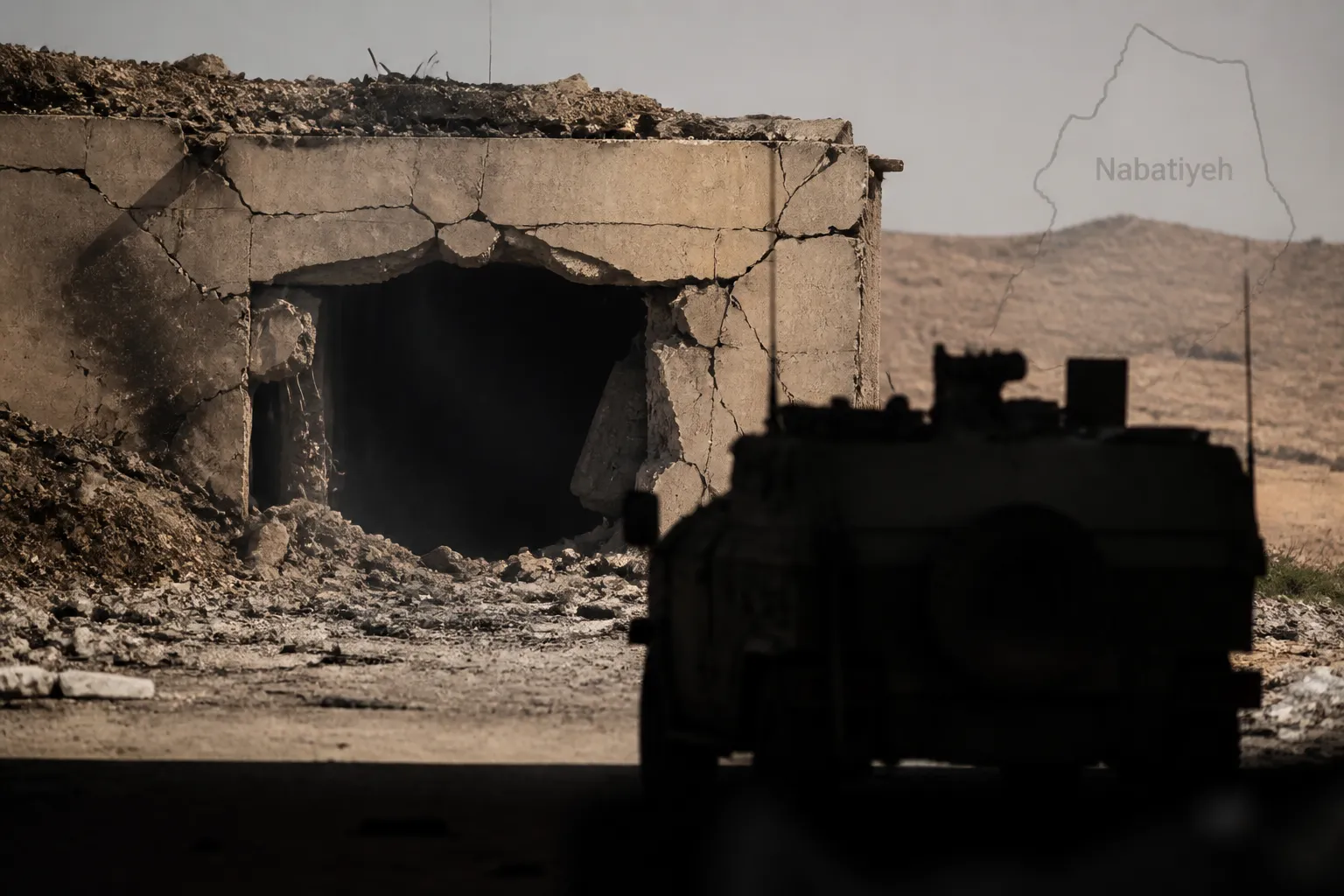
The June 10 strikes followed earlier Israeli operations that killed at least 11 people in and around the southern city of Tyre, according to the Lebanese Health Ministry. That same day, the Israeli military issued evacuation warnings for three southern towns. Overnight, the NNA reported additional strikes on Nabatieh, one of the region’s largest cities, which is now largely deserted. Nabatieh lies close to areas the Israeli military recently pushed into, including the medieval‑era Beaufort castle that overlooks the district. Hezbollah said it had targeted Israeli troops in the area.
Lebanese authorities claim that Israeli attacks since March have killed nearly 3,700 people and displaced more than one million others. Neither side has honored the ceasefire announced in mid‑April. Iran insists that Lebanon must be part of any deal to end the wider West Asia war, whose prospects were questioned after Tehran launched attacks on U.S. bases in Jordan, Bahrain and Kuwait in response to American strikes on its territory.
The latest strikes underscore the continued volatility along the Israel‑Lebanon border. The Israeli military has not announced any new ceasefire or pause in operations, and Hezbollah has not indicated a willingness to accept the conditional truce. The situation remains fluid, with both sides maintaining a posture of readiness for further escalation.
In the days ahead, Lebanese officials are expected to seek additional humanitarian access for displaced residents, while Israeli forces may continue to conduct targeted strikes against what they identify as hostile positions. The international community has called for restraint, but no new diplomatic framework has been agreed upon. The conflict’s impact on civilian populations, infrastructure, and regional stability remains a pressing concern.
The attacks came a week after Washington brokered a conditional truce that Hezbollah rejected. The ceasefire, slated to take effect in April, never materialized, and both sides have continued exchanging fire. According to the National News Agency (NNA), the agreement did not call for a halt to Israeli air operations, a point that Israeli officials have reiterated.
In addition to the bombing campaign, the NNA reported that an Israeli patrol seized Mohammad Hassan al‑Hajj, a municipal council member of the Sunni‑majority town of Kfarshuba, and Ahmad Salah Diab, a local worker. The men were reportedly transporting water to their village when the patrol stopped them and moved them to an unknown location. The Israeli military said it had identified two individuals who had approached the area where its soldiers were operating and had transferred them to Israeli territory for questioning.
The Christian border villages of southern Lebanon issued a statement on Tuesday urging the Lebanese government to open safe humanitarian and medical corridors. The association cited a dangerous decline in health services caused by the disruption or closure of several health centres and clinics, and warned that most roads leading to the villages were cut off or extremely hazardous.
The June 10 strikes followed earlier Israeli operations that killed at least 11 people in and around the southern city of Tyre, according to the Lebanese Health Ministry. That same day, the Israeli military issued evacuation warnings for three southern towns. Overnight, the NNA reported additional strikes on Nabatieh, one of the region’s largest cities, which is now largely deserted. Nabatieh lies close to areas the Israeli military recently pushed into, including the medieval‑era Beaufort castle that overlooks the district. Hezbollah said it had targeted Israeli troops in the area.
Lebanese authorities claim that Israeli attacks since March have killed nearly 3,700 people and displaced more than one million others. Neither side has honored the ceasefire announced in mid‑April. Iran insists that Lebanon must be part of any deal to end the wider West Asia war, whose prospects were questioned after Tehran launched attacks on U.S. bases in Jordan, Bahrain and Kuwait in response to American strikes on its territory.
The latest strikes underscore the continued volatility along the Israel‑Lebanon border. The Israeli military has not announced any new ceasefire or pause in operations, and Hezbollah has not indicated a willingness to accept the conditional truce. The situation remains fluid, with both sides maintaining a posture of readiness for further escalation.
In the days ahead, Lebanese officials are expected to seek additional humanitarian access for displaced residents, while Israeli forces may continue to conduct targeted strikes against what they identify as hostile positions. The international community has called for restraint, but no new diplomatic framework has been agreed upon. The conflict’s impact on civilian populations, infrastructure, and regional stability remains a pressing concern.