Blab Politics
Pentagons Press Briefings Drop Sharply During Iran War, Shift to Social Media Sparks Legal Challenge
The U.S. Department of Defense held only eight press briefings during the nearly six‑week joint U.S.–Israeli bombing campaign in Iran, a dramatic reduction from the 40 briefings that took place during the first five weeks of the 2003 Iraq invasion. All eight briefings were led by Secretary of Defense Pete Hegseth, and the department offered only one media interview during the campaign, compared with nearly 50 interviews given by former Secretary Donald Rumsfeld in the same period.
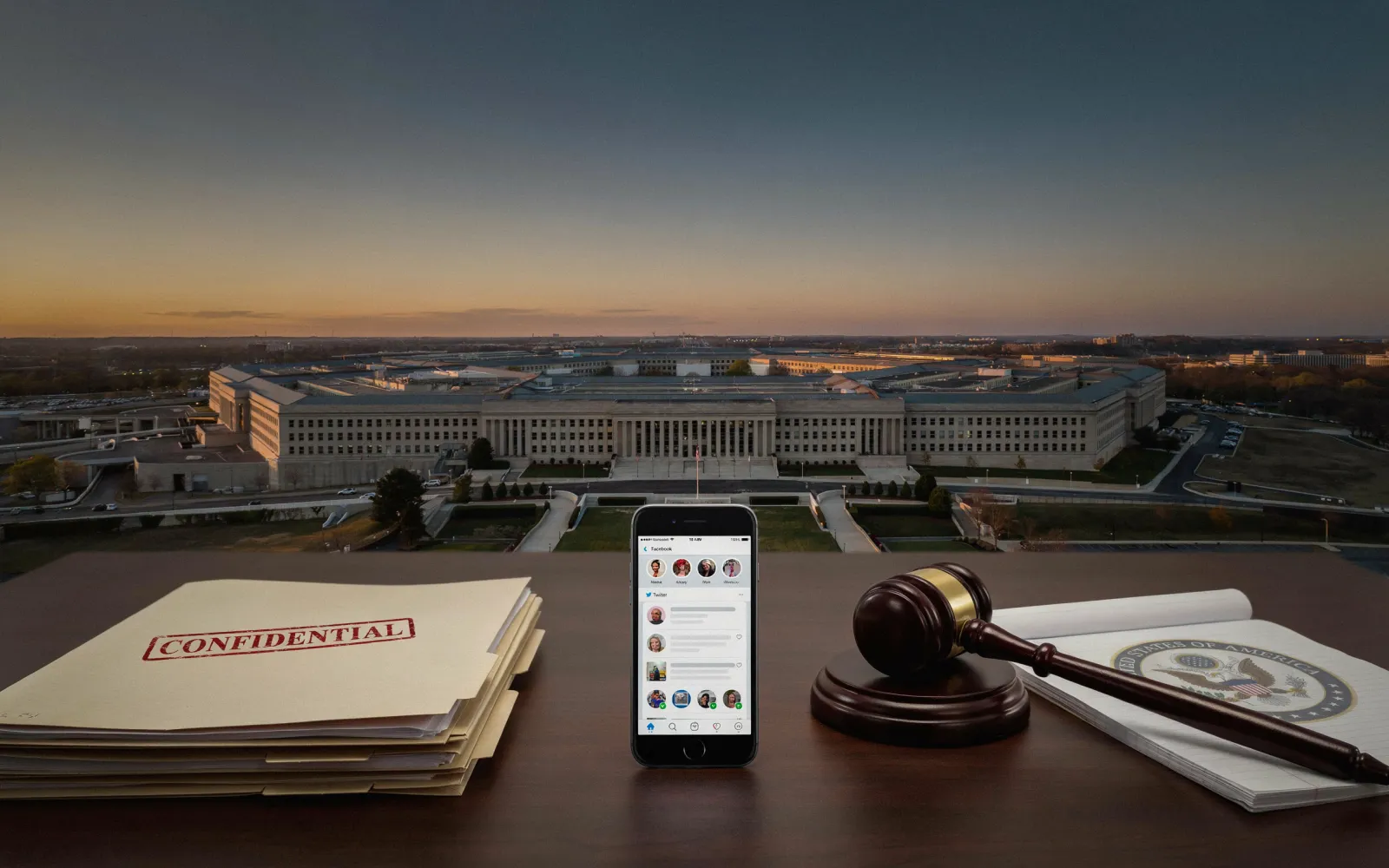
Instead of routine briefings, Pentagon officials relied largely on a social‑media strategy. Posts on the department’s X account featured images of missile strikes and brief, triumphant captions such as “NO MERCY” or “THE IRANIAN NAVY IS DECIMATED.” The posts provided little detail about targets, objectives, or progress. Pentagon spokesman Sean Parnell did not hold a live news conference during the conflict.
At the same time, the Pentagon tightened access to its press office. On June 1, the department announced that the press office had been redesignated a classified space, effectively barring journalists from the area where they had previously stopped by to ask questions. Acting Pentagon Press Secretary Joel Valdez said the change was due to the presence of speechwriters who routinely handled classified material. The move was criticized by media groups and a federal judge later ruled the restriction unconstitutional, a decision the Defense Department has appealed.
Experts say the shift reflects a broader trend toward reduced transparency. Thomas Crosbie, an associate professor at the Royal Danish Defense College, described the Pentagon’s messaging approach as an attempt to “create the least capacity for oversight, the least transparency and the least understanding of the American public.” Greg Jaffe, a veteran military correspondent, noted that during past wars the Pentagon held daily press conferences with uniformed officers who explained targets and strategy. He said that during the Iran campaign reporters received only “bare‑bones” information.
The Pentagon’s new communication strategy coincided with other moves that critics argue limit congressional oversight. In 2025, the department issued new press‑access rules that required reporters to cover only pre‑approved news, a policy that was struck down by a federal court in March 2026. The court ordered the Pentagon to restore full press credentials, a ruling the department is appealing.
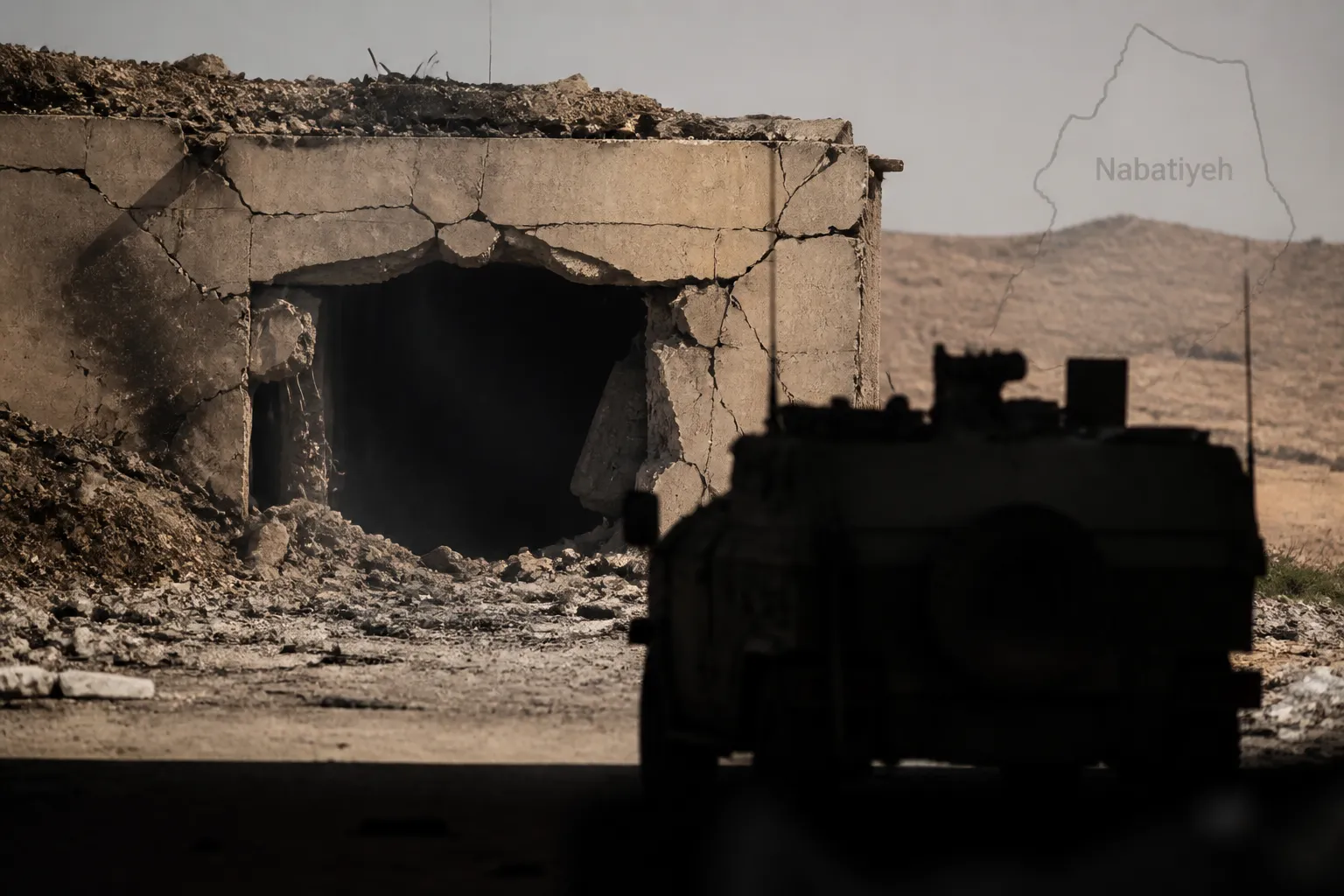
The Iran war, officially called Operation Epic Fury, began on February 28, 2026, after U.S. and Israeli airstrikes targeted Iranian military and government sites. The campaign resulted in more than 400 U.S. casualties, including 13 deaths, and a $29 billion cost estimate that excludes repairs to U.S. bases damaged by Iranian strikes. Iran’s retaliation included closing the Strait of Hormuz, which disrupted global oil markets and pushed U.S. gasoline prices above $4.50 per gallon in May.
The Pentagon’s limited briefings and reliance on social media have drawn criticism from lawmakers and the press. While the department has defended its approach as necessary for operational security, critics argue that the lack of detailed public information hampers congressional oversight and public understanding of the war’s objectives and progress.
As the conflict continues, the Pentagon remains under scrutiny for its communication practices. The department has not responded to requests for comment on its briefings or social‑media strategy. The legal challenge over press access is ongoing, and the next court decision could clarify the extent to which the Pentagon can restrict media coverage during wartime.
Instead of routine briefings, Pentagon officials relied largely on a social‑media strategy. Posts on the department’s X account featured images of missile strikes and brief, triumphant captions such as “NO MERCY” or “THE IRANIAN NAVY IS DECIMATED.” The posts provided little detail about targets, objectives, or progress. Pentagon spokesman Sean Parnell did not hold a live news conference during the conflict.
At the same time, the Pentagon tightened access to its press office. On June 1, the department announced that the press office had been redesignated a classified space, effectively barring journalists from the area where they had previously stopped by to ask questions. Acting Pentagon Press Secretary Joel Valdez said the change was due to the presence of speechwriters who routinely handled classified material. The move was criticized by media groups and a federal judge later ruled the restriction unconstitutional, a decision the Defense Department has appealed.
Experts say the shift reflects a broader trend toward reduced transparency. Thomas Crosbie, an associate professor at the Royal Danish Defense College, described the Pentagon’s messaging approach as an attempt to “create the least capacity for oversight, the least transparency and the least understanding of the American public.” Greg Jaffe, a veteran military correspondent, noted that during past wars the Pentagon held daily press conferences with uniformed officers who explained targets and strategy. He said that during the Iran campaign reporters received only “bare‑bones” information.
The Pentagon’s new communication strategy coincided with other moves that critics argue limit congressional oversight. In 2025, the department issued new press‑access rules that required reporters to cover only pre‑approved news, a policy that was struck down by a federal court in March 2026. The court ordered the Pentagon to restore full press credentials, a ruling the department is appealing.
The Iran war, officially called Operation Epic Fury, began on February 28, 2026, after U.S. and Israeli airstrikes targeted Iranian military and government sites. The campaign resulted in more than 400 U.S. casualties, including 13 deaths, and a $29 billion cost estimate that excludes repairs to U.S. bases damaged by Iranian strikes. Iran’s retaliation included closing the Strait of Hormuz, which disrupted global oil markets and pushed U.S. gasoline prices above $4.50 per gallon in May.
The Pentagon’s limited briefings and reliance on social media have drawn criticism from lawmakers and the press. While the department has defended its approach as necessary for operational security, critics argue that the lack of detailed public information hampers congressional oversight and public understanding of the war’s objectives and progress.
As the conflict continues, the Pentagon remains under scrutiny for its communication practices. The department has not responded to requests for comment on its briefings or social‑media strategy. The legal challenge over press access is ongoing, and the next court decision could clarify the extent to which the Pentagon can restrict media coverage during wartime.