Blab Politics
Texas Senate Race Turns to Masculinity Debate as Paxton Targets Talarico
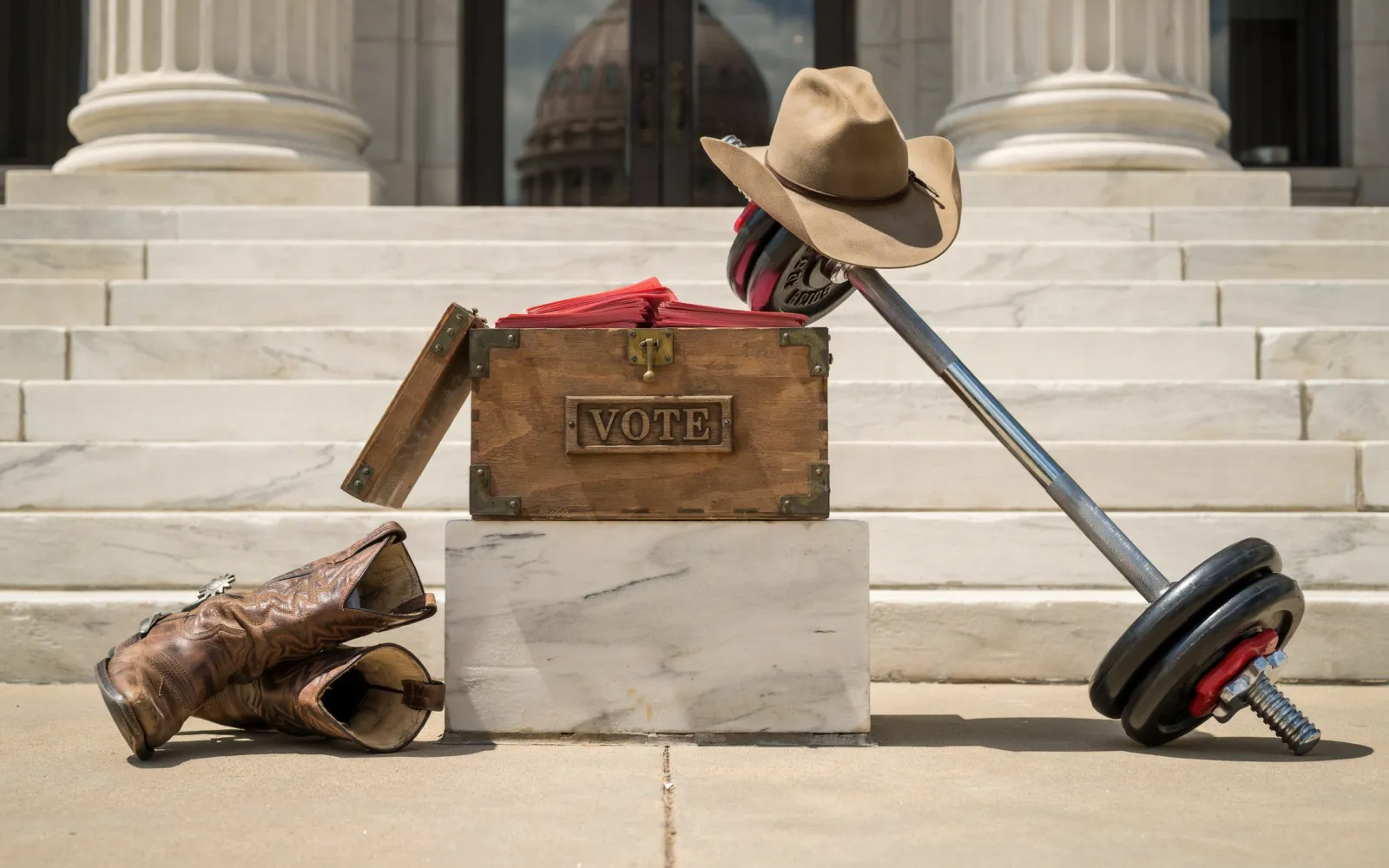
Ken Paxton, the Republican nominee for the U.S. Senate seat in Texas, has shifted the focus of the 2026 campaign to an attack on the masculinity of his Democratic opponent, state representative James Talarico. After winning the GOP primary runoff on May 26, Paxton released a campaign ad that labels Talarico a “low‑T” and a threat to Texas values. The ad, which includes crude nicknames such as “Tofu Talarico” and “Six‑Gender Jimmy,” signals a broader strategy in which the Republican campaign frames the race as a test of manhood.
The move follows Paxton’s victory over incumbent Senator John Cornyn in the Republican primary. Paxton’s win, aided by a late endorsement from former President Donald Trump, cemented the influence of far‑right politics in Texas and set the stage for a general‑election showdown with Talarico, who won the Democratic nomination in March after defeating congresswoman Jasmine Crockett. According to the Texas Tribune, Talarico’s background as a Presbyterian seminarian and former middle‑school teacher has earned him a reputation as a “servant‑leader” and a “rising star” among Texas Democrats.
In a series of statements, Paxton’s campaign has portrayed Talarico’s youth, faith, and “aw‑shucks niceness” as evidence of low testosterone. The campaign’s language has been described by USA Today as “obviously coordinated and unusually overt.” The same outlet notes that the attack aligns with a “man‑o‑verse” of politicians who emphasize bold, dominating, and aggressive masculinity, a trend that NPR attributes to the lasting cultural influence of Trump.
The strategy has drawn criticism from political commentators. The Atlantic called the “anti‑Talarico blitzkrieg” a coordinated effort that relies on dog‑whistle rhetoric, suggesting that the attacks imply Talarico is gay or otherwise unmanly. Matt Lewis of The Hill argued that Paxton’s nomination created “certain challenges for Republicans” because of the attorney general’s legal and personal scandals, prompting the GOP to “dirty up a squeaky‑clean seminarian.” Cal Jillson, a political‑science professor at Southern Methodist University, noted that “discrediting a candidate by suggesting they don’t share the culture of the people” is a common tactic in Texas politics.
Talarico has responded by framing the attacks as a referendum on selfishness versus service. In a statement released on March 3, he said the campaign’s focus on masculinity was a diversion from policy issues. The campaign also highlighted his record on education and health care, areas where he has legislative experience.
The emphasis on masculinity reflects a broader trend in American politics. Scholars such as Jonathan Bernstein have argued that for many Texas voters, attacking a candidate’s gender presentation can be an effective way to mobilize support. However, experts caution that the approach may backfire in more diverse or urban areas where voters are less receptive to hyper‑masculine rhetoric.
The Texas Senate race remains a high‑stakes contest. Paxton’s win in the Republican primary and Talarico’s victory in the Democratic primary set the stage for a November 3, 2026 general election. No further votes or legal challenges have been filed, and both campaigns are preparing for the next phase of campaigning. The focus on masculinity may shape voter perceptions, but it remains to be seen how it will influence the outcome of the election.
As the campaign season progresses, observers will watch whether the gendered messaging resonates with Texas voters or whether policy debates will regain prominence. The race is one of the few statewide contests in which a Democrat has a realistic chance of winning, making the tactics employed by both campaigns particularly consequential.
The move follows Paxton’s victory over incumbent Senator John Cornyn in the Republican primary. Paxton’s win, aided by a late endorsement from former President Donald Trump, cemented the influence of far‑right politics in Texas and set the stage for a general‑election showdown with Talarico, who won the Democratic nomination in March after defeating congresswoman Jasmine Crockett. According to the Texas Tribune, Talarico’s background as a Presbyterian seminarian and former middle‑school teacher has earned him a reputation as a “servant‑leader” and a “rising star” among Texas Democrats.
In a series of statements, Paxton’s campaign has portrayed Talarico’s youth, faith, and “aw‑shucks niceness” as evidence of low testosterone. The campaign’s language has been described by USA Today as “obviously coordinated and unusually overt.” The same outlet notes that the attack aligns with a “man‑o‑verse” of politicians who emphasize bold, dominating, and aggressive masculinity, a trend that NPR attributes to the lasting cultural influence of Trump.
The strategy has drawn criticism from political commentators. The Atlantic called the “anti‑Talarico blitzkrieg” a coordinated effort that relies on dog‑whistle rhetoric, suggesting that the attacks imply Talarico is gay or otherwise unmanly. Matt Lewis of The Hill argued that Paxton’s nomination created “certain challenges for Republicans” because of the attorney general’s legal and personal scandals, prompting the GOP to “dirty up a squeaky‑clean seminarian.” Cal Jillson, a political‑science professor at Southern Methodist University, noted that “discrediting a candidate by suggesting they don’t share the culture of the people” is a common tactic in Texas politics.
Talarico has responded by framing the attacks as a referendum on selfishness versus service. In a statement released on March 3, he said the campaign’s focus on masculinity was a diversion from policy issues. The campaign also highlighted his record on education and health care, areas where he has legislative experience.
The emphasis on masculinity reflects a broader trend in American politics. Scholars such as Jonathan Bernstein have argued that for many Texas voters, attacking a candidate’s gender presentation can be an effective way to mobilize support. However, experts caution that the approach may backfire in more diverse or urban areas where voters are less receptive to hyper‑masculine rhetoric.
The Texas Senate race remains a high‑stakes contest. Paxton’s win in the Republican primary and Talarico’s victory in the Democratic primary set the stage for a November 3, 2026 general election. No further votes or legal challenges have been filed, and both campaigns are preparing for the next phase of campaigning. The focus on masculinity may shape voter perceptions, but it remains to be seen how it will influence the outcome of the election.
As the campaign season progresses, observers will watch whether the gendered messaging resonates with Texas voters or whether policy debates will regain prominence. The race is one of the few statewide contests in which a Democrat has a realistic chance of winning, making the tactics employed by both campaigns particularly consequential.