Blab Politics
Toronto and Vancouver Mobilize Millions for 2026 World Cup, Fast-Tracking Bylaw Changes
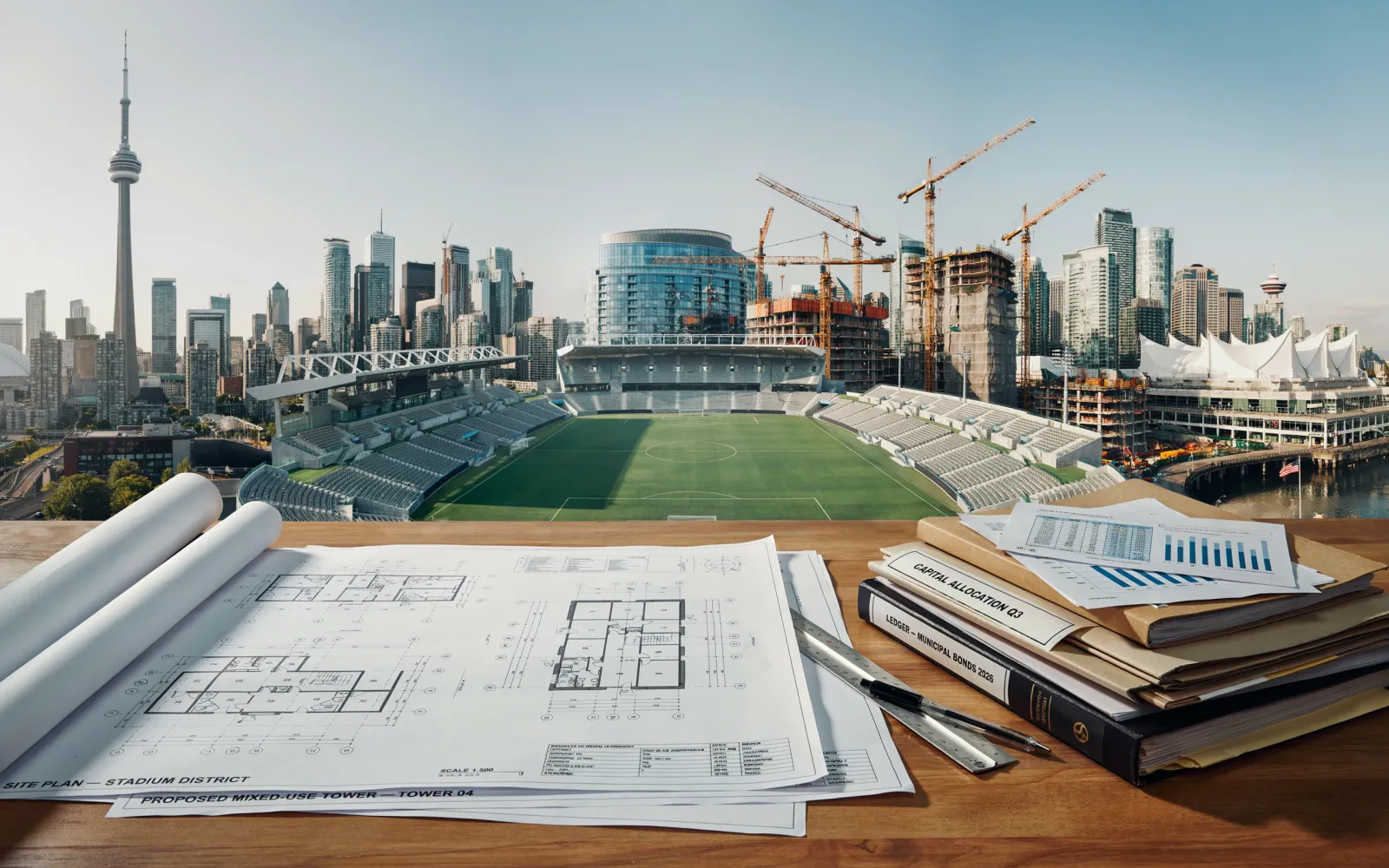
The 2026 FIFA World Cup, slated to run from June 11 to July 19, will be staged in 16 cities across Canada, Mexico and the United States. In Canada, Toronto and Vancouver are slated to host a combined 13 matches, a promise that has prompted the two municipalities to earmark more than $1 billion in public funds.
A Parliamentary Budget Officer report issued on May 20, 2026, shows that Canadian governments will spend $1.066 billion to accommodate the 13 matches scheduled for Toronto and Vancouver. Toronto’s share of that total is $178.6 million, while Vancouver’s is projected to exceed $320 million. These figures reflect direct allocations from municipal budgets and do not account for potential overruns.
The fiscal commitment is matched by sweeping regulatory adjustments. In March 2024, Toronto City Council authorized temporary exemptions to its single‑use plastic water‑bottle ban for the duration of the event and extended permitted noise hours at Nathan Phillips Square to accommodate post‑match celebrations. Vancouver’s city council adopted a special World Cup bylaw on May 12, 2026, that temporarily relaxes rules on temporary structures such as tents and shipping containers and expands the city’s authority over advertising, vending, noise, graffiti removal and public‑space management.
Both cities will also enforce FIFA’s commercial trademark protections. In Toronto, municipal bylaw officers will oversee the temporary renaming of BMO Field to “Toronto Stadium” for the tournament’s period. Vancouver’s new bylaw grants the city expanded powers to enforce brand‑protection measures at its venues.
The speed with which the two municipalities moved contrasts sharply with the usual pace of local government action. Municipalities often cite budgetary constraints and limited legal powers as reasons for delayed responses to community needs. Yet, to meet FIFA’s requirements, Toronto and Vancouver demonstrated the political will to draw millions from city coffers and temporarily reverse environmental bylaws.
The pattern is not unique to sports. During the Amazon HQ2 competition, 238 North American cities assembled tax‑break and zoning packages in a matter of months to attract a single corporate investment. More recently, cities have expedited approvals for large data‑centre projects in the artificial‑intelligence sector.
Selective regulatory flexibility has drawn criticism. In Toronto, the Little Jamaica Festival was reportedly cancelled after the city declined to issue a permit. Vancouver’s African Descent Festival was also blocked due to permitting issues. Ordinary festivals typically navigate a rigid permitting process, whereas FIFA benefits from bespoke bylaws.
City officials have framed the World Cup measures as necessary to meet international obligations and to promote tourism, public safety and cultural prestige. The economic benefits of the tournament, however, have been questioned. A post‑event analysis of the 2015 Women’s World Cup, co‑hosted by six Canadian cities, found that the event largely reshuffled existing tourism spending rather than generating substantial new activity.
As the event period approaches, Toronto’s World Cup bylaw will remain in effect from May 13 to July 20, 2026, while Vancouver’s special bylaw will be active from May 13 to July 20, 2026. The municipal governments have announced that the temporary measures will expire after the final match on July 19.
The next steps for the cities include finalizing security budgets—Vancouver’s police budget for the event is estimated at $242 million—and completing infrastructure upgrades such as temporary seating and crowd‑control fencing. The municipal councils have not yet voted on the final approval of the bylaw amendments, but the documents have been filed with the city clerk’s office and are pending council review.
The World Cup’s arrival has highlighted a broader question about municipal governance: when cities can mobilize quickly for a high‑profile event, why do they not apply the same agility to long‑standing local issues such as affordable housing, transit expansion and public‑space maintenance? The answer, according to municipal officials, lies in political choice rather than legal or financial constraint.
For now, Toronto and Vancouver remain focused on delivering a successful World Cup, with the municipal governments working to ensure that the temporary regulatory changes meet FIFA’s requirements while protecting public interests during the event period.
A Parliamentary Budget Officer report issued on May 20, 2026, shows that Canadian governments will spend $1.066 billion to accommodate the 13 matches scheduled for Toronto and Vancouver. Toronto’s share of that total is $178.6 million, while Vancouver’s is projected to exceed $320 million. These figures reflect direct allocations from municipal budgets and do not account for potential overruns.
The fiscal commitment is matched by sweeping regulatory adjustments. In March 2024, Toronto City Council authorized temporary exemptions to its single‑use plastic water‑bottle ban for the duration of the event and extended permitted noise hours at Nathan Phillips Square to accommodate post‑match celebrations. Vancouver’s city council adopted a special World Cup bylaw on May 12, 2026, that temporarily relaxes rules on temporary structures such as tents and shipping containers and expands the city’s authority over advertising, vending, noise, graffiti removal and public‑space management.
Both cities will also enforce FIFA’s commercial trademark protections. In Toronto, municipal bylaw officers will oversee the temporary renaming of BMO Field to “Toronto Stadium” for the tournament’s period. Vancouver’s new bylaw grants the city expanded powers to enforce brand‑protection measures at its venues.
The speed with which the two municipalities moved contrasts sharply with the usual pace of local government action. Municipalities often cite budgetary constraints and limited legal powers as reasons for delayed responses to community needs. Yet, to meet FIFA’s requirements, Toronto and Vancouver demonstrated the political will to draw millions from city coffers and temporarily reverse environmental bylaws.
The pattern is not unique to sports. During the Amazon HQ2 competition, 238 North American cities assembled tax‑break and zoning packages in a matter of months to attract a single corporate investment. More recently, cities have expedited approvals for large data‑centre projects in the artificial‑intelligence sector.
Selective regulatory flexibility has drawn criticism. In Toronto, the Little Jamaica Festival was reportedly cancelled after the city declined to issue a permit. Vancouver’s African Descent Festival was also blocked due to permitting issues. Ordinary festivals typically navigate a rigid permitting process, whereas FIFA benefits from bespoke bylaws.
City officials have framed the World Cup measures as necessary to meet international obligations and to promote tourism, public safety and cultural prestige. The economic benefits of the tournament, however, have been questioned. A post‑event analysis of the 2015 Women’s World Cup, co‑hosted by six Canadian cities, found that the event largely reshuffled existing tourism spending rather than generating substantial new activity.
As the event period approaches, Toronto’s World Cup bylaw will remain in effect from May 13 to July 20, 2026, while Vancouver’s special bylaw will be active from May 13 to July 20, 2026. The municipal governments have announced that the temporary measures will expire after the final match on July 19.
The next steps for the cities include finalizing security budgets—Vancouver’s police budget for the event is estimated at $242 million—and completing infrastructure upgrades such as temporary seating and crowd‑control fencing. The municipal councils have not yet voted on the final approval of the bylaw amendments, but the documents have been filed with the city clerk’s office and are pending council review.
The World Cup’s arrival has highlighted a broader question about municipal governance: when cities can mobilize quickly for a high‑profile event, why do they not apply the same agility to long‑standing local issues such as affordable housing, transit expansion and public‑space maintenance? The answer, according to municipal officials, lies in political choice rather than legal or financial constraint.
For now, Toronto and Vancouver remain focused on delivering a successful World Cup, with the municipal governments working to ensure that the temporary regulatory changes meet FIFA’s requirements while protecting public interests during the event period.