Blab Politics
U.S. and Israel Reach Two-Week Ceasefire with Iran After Four-Month Conflict
On April 7, 2026, President Donald Trump announced that the United States and Iran had agreed to a two‑week ceasefire, bringing an end to the four‑month conflict that began on February 28, 2026. The deal, brokered by Pakistani officials, was reported by Politico, USA Today, and CNBC.
The war erupted when Washington and Tel Aviv launched a joint offensive against Iranian military and nuclear sites. The U.S. Department of Defense dubbed the operation Operation Epic Fury, while Israel called it Roaring Lion. The campaign aimed to halt Iran’s progress toward a nuclear weapon, following a 12‑day U.S.–Israeli strike series in June 2025 that targeted nuclear facilities and high‑ranking officials.
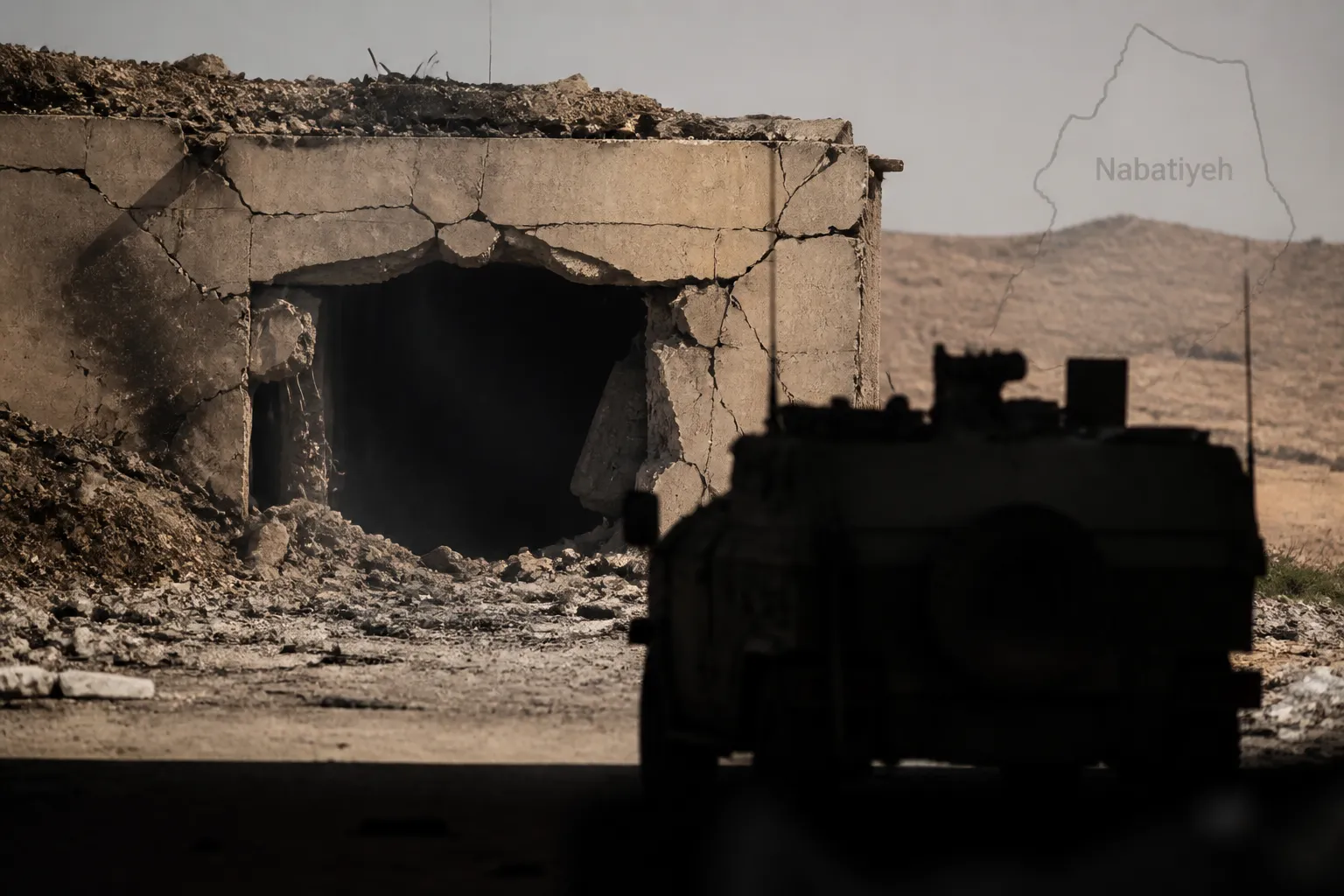
During the hostilities, the United States struck key Iranian sites, including the Natanz enrichment complex and the underground Fordow facility. U.S. forces also targeted missile launch sites and command centers. In retaliation, Iran fired missiles toward Israel and U.S. bases in the Middle East. Iranian naval activity in the Strait of Hormuz further escalated tensions, threatening global oil shipments.
President Trump delivered the ceasefire announcement from the White House. The administration said the U.S. will work with Iran to reopen the Strait of Hormuz and resume diplomatic talks. The agreement also calls for a prisoner exchange and joint inspections of former Iranian nuclear sites.
The conflict’s roots lie in the U.S. withdrawal from the Joint Comprehensive Plan of Action (JCPOA) in May 2018. That move triggered a “maximum pressure” campaign, imposing sanctions on Iran’s oil, banking, and missile sectors. In response, Iran increased uranium enrichment to 60 % and stockpiled roughly 440 kg of highly enriched uranium, according to the International Atomic Energy Agency.
The United States has consistently stated that its goal is to prevent Iran from acquiring a nuclear weapon. Both Washington and Israel argue that Iran’s program threatens Israel and regional stability. Iran, meanwhile, maintains that its nuclear activities serve civilian purposes such as power generation and medical research.
The ceasefire does not settle the underlying dispute over Iran’s nuclear program. The U.S. State Department said sanctions will remain in place until Iran meets U.S. conditions for a comprehensive agreement. Iran has signaled that it will not return to the JCPOA framework but will negotiate a new deal.
The United Nations welcomed the ceasefire, calling it a positive step toward regional stability. The U.S. Senate Foreign Relations Committee will review the agreement and may hold hearings on the next steps in U.S. policy toward Iran.
Domestically, the war has sparked pressure on the administration. Gas prices rose during the conflict, and the Republican Party’s prospects in the 2026 midterm elections have been affected by the war’s cost and casualties. President Trump said the ceasefire was necessary to protect American lives and prevent further escalation.
The next phase of U.S. policy will involve negotiations on a new nuclear agreement. Washington has indicated it will seek a 15‑year moratorium on Iranian enrichment, similar to the JCPOA, but with tighter verification measures. Iran has not yet agreed to the U.S. proposal.
The ceasefire also includes provisions for reopening the Strait of Hormuz. The U.S. and Iran will work with the International Maritime Organization to ensure safe navigation and will assist Iranian shipping companies to restore commercial activity.
High‑level talks will take place in Islamabad, Pakistan, where U.S. officials, Iranian diplomats, and Pakistani mediators will discuss the ceasefire terms and the future of nuclear negotiations.
The ceasefire is expected to last two weeks, after which the parties will resume negotiations. The U.S. will continue to monitor Iran’s compliance and enforce sanctions if the agreement is violated.
U.S. foreign policy toward Iran remains a key issue for the Trump administration. While the administration insists it will not compromise on Iran’s nuclear program, it will use diplomatic tools to achieve a comprehensive agreement. The outcome of the negotiations will have significant implications for U.S. relations with Israel, Saudi Arabia, and other Gulf states.
In summary, the United States and Iran have agreed to a two‑week ceasefire that ends the four‑month war that began on February 28, 2026. The ceasefire will allow the reopening of the Strait of Hormuz and the resumption of diplomatic talks. The U.S. will continue to apply sanctions until Iran meets U.S. conditions for a new nuclear agreement. The next steps will be determined through high‑level talks in Islamabad, with the U.S. and Iran working to prevent further escalation and to address the nuclear dispute.
The war erupted when Washington and Tel Aviv launched a joint offensive against Iranian military and nuclear sites. The U.S. Department of Defense dubbed the operation Operation Epic Fury, while Israel called it Roaring Lion. The campaign aimed to halt Iran’s progress toward a nuclear weapon, following a 12‑day U.S.–Israeli strike series in June 2025 that targeted nuclear facilities and high‑ranking officials.
During the hostilities, the United States struck key Iranian sites, including the Natanz enrichment complex and the underground Fordow facility. U.S. forces also targeted missile launch sites and command centers. In retaliation, Iran fired missiles toward Israel and U.S. bases in the Middle East. Iranian naval activity in the Strait of Hormuz further escalated tensions, threatening global oil shipments.
President Trump delivered the ceasefire announcement from the White House. The administration said the U.S. will work with Iran to reopen the Strait of Hormuz and resume diplomatic talks. The agreement also calls for a prisoner exchange and joint inspections of former Iranian nuclear sites.
The conflict’s roots lie in the U.S. withdrawal from the Joint Comprehensive Plan of Action (JCPOA) in May 2018. That move triggered a “maximum pressure” campaign, imposing sanctions on Iran’s oil, banking, and missile sectors. In response, Iran increased uranium enrichment to 60 % and stockpiled roughly 440 kg of highly enriched uranium, according to the International Atomic Energy Agency.
The United States has consistently stated that its goal is to prevent Iran from acquiring a nuclear weapon. Both Washington and Israel argue that Iran’s program threatens Israel and regional stability. Iran, meanwhile, maintains that its nuclear activities serve civilian purposes such as power generation and medical research.
The ceasefire does not settle the underlying dispute over Iran’s nuclear program. The U.S. State Department said sanctions will remain in place until Iran meets U.S. conditions for a comprehensive agreement. Iran has signaled that it will not return to the JCPOA framework but will negotiate a new deal.
The United Nations welcomed the ceasefire, calling it a positive step toward regional stability. The U.S. Senate Foreign Relations Committee will review the agreement and may hold hearings on the next steps in U.S. policy toward Iran.
Domestically, the war has sparked pressure on the administration. Gas prices rose during the conflict, and the Republican Party’s prospects in the 2026 midterm elections have been affected by the war’s cost and casualties. President Trump said the ceasefire was necessary to protect American lives and prevent further escalation.
The next phase of U.S. policy will involve negotiations on a new nuclear agreement. Washington has indicated it will seek a 15‑year moratorium on Iranian enrichment, similar to the JCPOA, but with tighter verification measures. Iran has not yet agreed to the U.S. proposal.
The ceasefire also includes provisions for reopening the Strait of Hormuz. The U.S. and Iran will work with the International Maritime Organization to ensure safe navigation and will assist Iranian shipping companies to restore commercial activity.
High‑level talks will take place in Islamabad, Pakistan, where U.S. officials, Iranian diplomats, and Pakistani mediators will discuss the ceasefire terms and the future of nuclear negotiations.
The ceasefire is expected to last two weeks, after which the parties will resume negotiations. The U.S. will continue to monitor Iran’s compliance and enforce sanctions if the agreement is violated.
U.S. foreign policy toward Iran remains a key issue for the Trump administration. While the administration insists it will not compromise on Iran’s nuclear program, it will use diplomatic tools to achieve a comprehensive agreement. The outcome of the negotiations will have significant implications for U.S. relations with Israel, Saudi Arabia, and other Gulf states.
In summary, the United States and Iran have agreed to a two‑week ceasefire that ends the four‑month war that began on February 28, 2026. The ceasefire will allow the reopening of the Strait of Hormuz and the resumption of diplomatic talks. The U.S. will continue to apply sanctions until Iran meets U.S. conditions for a new nuclear agreement. The next steps will be determined through high‑level talks in Islamabad, with the U.S. and Iran working to prevent further escalation and to address the nuclear dispute.