Blab Politics
Putin Denies Russian Plans to Attack NATO, Calls Allegations Provocation
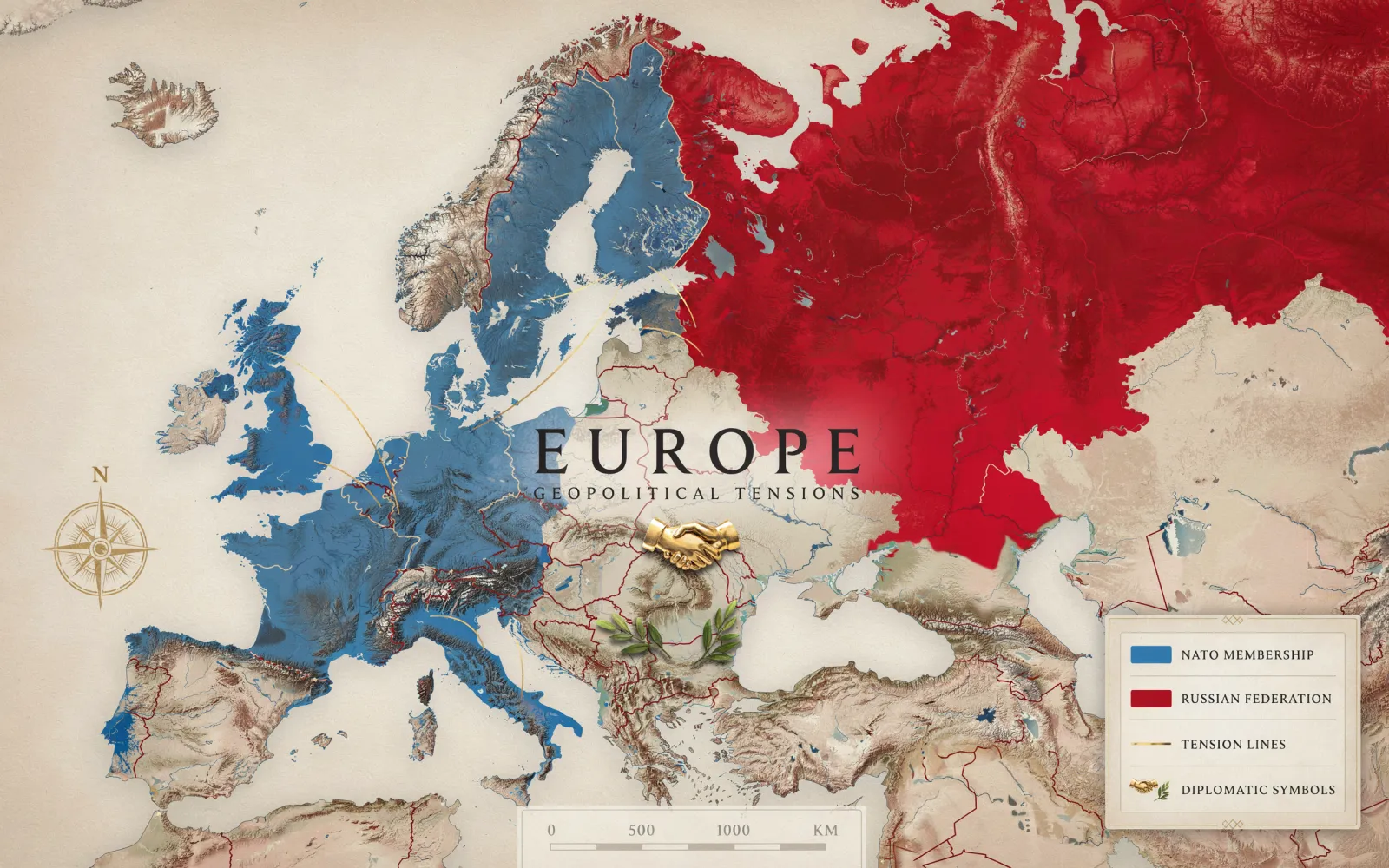
On November 11, 2026, Vladimir Putin told foreign journalists that rumors of a Russian strike on NATO are nothing but a provocation.
In a brief interview, Putin asked, "Why would Russia attack Europe or go to war with NATO? What would be the purpose?" He added that the allegations are "not merely nonsense" and that they are intended to persuade European populations to increase defence spending.
Putin further explained that the objective of such claims, according to him, is to "pay for the regime that seized power in Kiev." He described the idea as absurd and lamented that some people in European countries appear to believe it.
The statements come amid a wave of warnings from Russian‑aligned commentators. Sergey Karaganov, a senior adviser to the Russian government, has repeatedly urged a first strike against NATO, arguing that it would stop the "blood‑letting war" in Ukraine. Dmitry Polyanskiy, Russia’s ambassador to the OSCE, has also echoed hawkish rhetoric. Karaganov’s comments have been amplified by a group of "non‑Russian pro‑Russian" (NRPR) influencers who use state‑financed media and government‑organized events to spread the narrative. These influencers have described the alleged plans as a "provocation" and have urged the West to respond.
In contrast, the Russian foreign spy service issued a warning last month that Russia might carry out retaliatory strikes against Latvia if Ukraine launches drones from that country. The warning was unrelated to the broader claim of a NATO attack.
The drone incidents that have occurred in NATO territory in 2026—such as the Russian drone that landed in Romania in March and the Ukrainian drone that entered Latvian airspace in May—have heightened tensions. However, Putin’s comments suggest that Russia is not pursuing a direct attack on NATO.
The Kremlin’s narrative stresses that the "Special Military Operation" in Ukraine is a defensive measure and that any escalation would be a response to provocations. Putin’s remarks are consistent with the official stance that Russia is not seeking to expand its military reach beyond Ukraine.
Analysts note that the Kremlin’s messaging is aimed at both domestic audiences and the international community. By labeling the allegations as provocation, Putin seeks to undermine Western narratives that portray Russia as an aggressive expansionist.
At present, no formal Russian military plans to attack NATO have been confirmed. The next steps involve monitoring Russian diplomatic statements, assessing the credibility of NRPR influencers, and observing any changes in Russian military posture in the Baltic region.
In summary, Putin has publicly denied any intention to attack NATO, framing the allegations as a deliberate provocation designed to influence European defence budgets. The Kremlin’s official position remains that its actions are defensive and that any escalation would be a response to external provocations.
In a brief interview, Putin asked, "Why would Russia attack Europe or go to war with NATO? What would be the purpose?" He added that the allegations are "not merely nonsense" and that they are intended to persuade European populations to increase defence spending.
Putin further explained that the objective of such claims, according to him, is to "pay for the regime that seized power in Kiev." He described the idea as absurd and lamented that some people in European countries appear to believe it.
The statements come amid a wave of warnings from Russian‑aligned commentators. Sergey Karaganov, a senior adviser to the Russian government, has repeatedly urged a first strike against NATO, arguing that it would stop the "blood‑letting war" in Ukraine. Dmitry Polyanskiy, Russia’s ambassador to the OSCE, has also echoed hawkish rhetoric. Karaganov’s comments have been amplified by a group of "non‑Russian pro‑Russian" (NRPR) influencers who use state‑financed media and government‑organized events to spread the narrative. These influencers have described the alleged plans as a "provocation" and have urged the West to respond.
In contrast, the Russian foreign spy service issued a warning last month that Russia might carry out retaliatory strikes against Latvia if Ukraine launches drones from that country. The warning was unrelated to the broader claim of a NATO attack.
The drone incidents that have occurred in NATO territory in 2026—such as the Russian drone that landed in Romania in March and the Ukrainian drone that entered Latvian airspace in May—have heightened tensions. However, Putin’s comments suggest that Russia is not pursuing a direct attack on NATO.
The Kremlin’s narrative stresses that the "Special Military Operation" in Ukraine is a defensive measure and that any escalation would be a response to provocations. Putin’s remarks are consistent with the official stance that Russia is not seeking to expand its military reach beyond Ukraine.
Analysts note that the Kremlin’s messaging is aimed at both domestic audiences and the international community. By labeling the allegations as provocation, Putin seeks to undermine Western narratives that portray Russia as an aggressive expansionist.
At present, no formal Russian military plans to attack NATO have been confirmed. The next steps involve monitoring Russian diplomatic statements, assessing the credibility of NRPR influencers, and observing any changes in Russian military posture in the Baltic region.
In summary, Putin has publicly denied any intention to attack NATO, framing the allegations as a deliberate provocation designed to influence European defence budgets. The Kremlin’s official position remains that its actions are defensive and that any escalation would be a response to external provocations.