Blab Politics
U.S. and Nigerian Forces Kill ISWAP Leader Abu-Bilal al-Minuki in Joint Operation
Abu‑Bilal al‑Minuki, a senior commander of the Islamic State’s West Africa Province (ISWAP), was killed in a joint U.S.–Nigerian operation on May 15, 2026. The strike, carried out under the name Operation HADIN KAI, targeted a compound in Metele, Borno State, and also eliminated several of al‑Minuki’s lieutenants. The operation was part of a broader U.S. intervention that began on May 16, 2026, and has already resulted in the deaths of 175 militants, according to Nigerian authorities.
The U.S. and Nigeria have been working together to counter the insurgency that has plagued the northeast for more than a decade. The U.S. has a long history of using Reaper drones from Djibouti to strike Islamic terrorists in East Africa. In late 2025, U.S. airstrikes in Nigeria killed an estimated 300 militants, and subsequent ground operations killed a further 200, according to reports. The addition of U.S. airpower and surveillance capabilities has made it possible to track and attack Islamic terrorists more quickly and with greater precision.
ISWAP, officially known as Wilāyat Ġarb Ifrīqīyā, is an offshoot of Boko Haram that has been fighting the Nigerian army and the government since 2015. The group has been described as one of the most destructive Islamic terrorist organizations in Africa. It has a current strength of about 4,000 fighters, according to intelligence estimates. Boko Haram remains active, although it has fewer gunmen than ISWAP. The two groups have fought each other since 2021, and the Nigerian army has used the rivalry to its advantage, but corruption and incompetence in the security forces have allowed both groups to survive.
The May 4, 2026 attack on an army supercamp in Yobe State, in which ISWAP used motorbikes to breach the camp, left four soldiers dead and caused significant damage. The attack demonstrated ISWAP’s preference for small, fast vehicles in the flat terrain of the region. The group’s strategy focuses on targeting security forces and government officials, especially those perceived as corrupt, to extort money and supplies.
The broader conflict in the northeast has displaced millions of people and caused widespread economic damage. In 2014 and 2015, Boko Haram controlled large swaths of Borno State, and the Nigerian government declared a state of emergency. Since 2023, a new president has made progress in reducing corruption, but tribal feuds, especially between Muslim herders and Christian farmers, have killed more people than Boko Haram in recent years. Kidnapping for ransom also increased, with over 600 people taken in 2024, mainly in Borno and Kaduna.
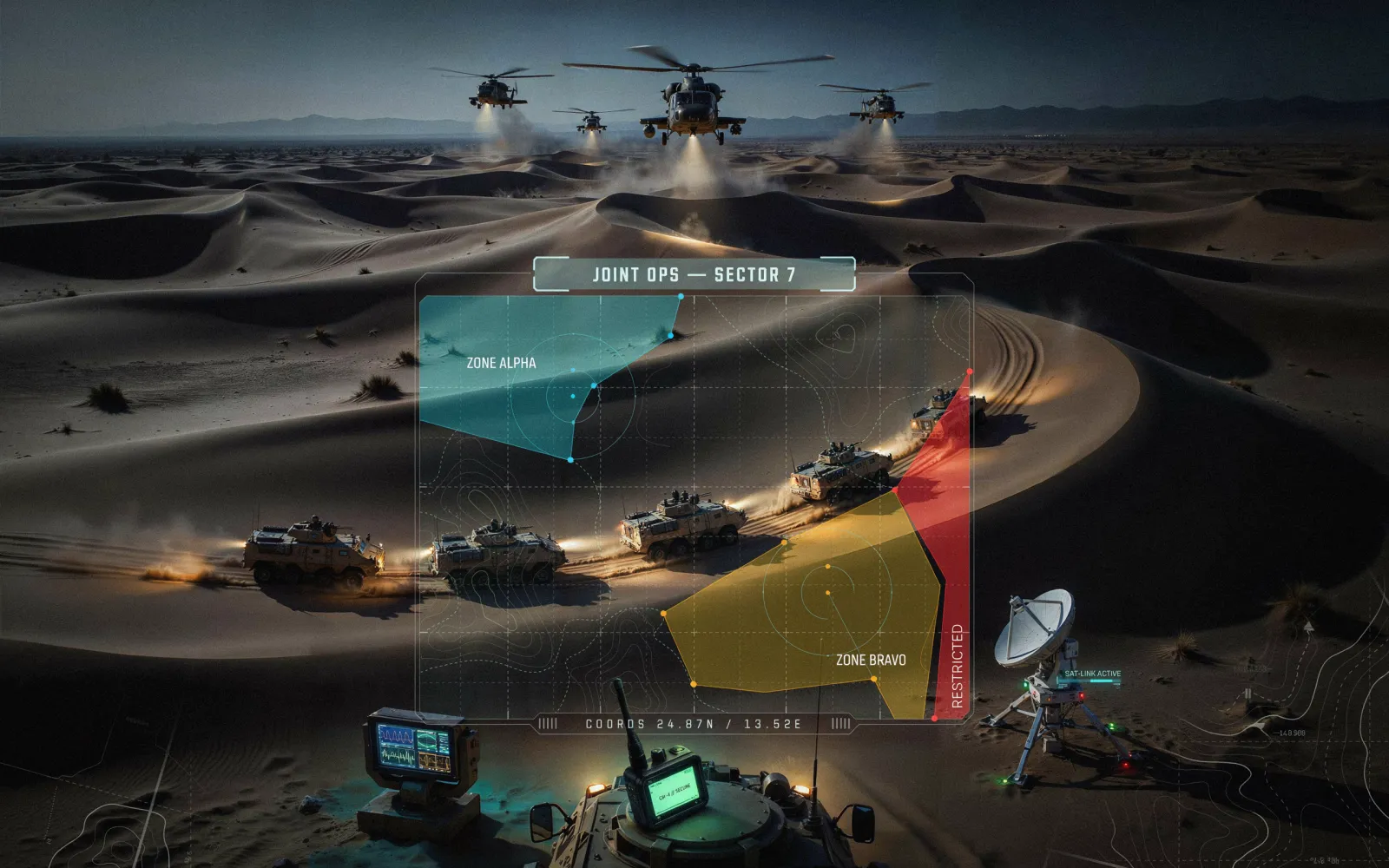
The U.S. intervention has been described as a new front in the war on Islamic terrorism. The operation began with special‑forces raids and multiple rounds of airstrikes. By May 19, the Nigerian authorities reported that 175 militants had been killed. The operation also targeted the leadership of ISWAP, and the death of al‑Minuki is expected to disrupt the group’s command structure.
The operation’s next steps are not yet clear. Nigerian officials have not announced a timetable for the end of the offensive, and the U.S. has not released a detailed assessment of the operation’s impact on ISWAP’s operational capacity. The death of a senior commander is a significant blow, but the insurgency remains a complex challenge that involves not only military action but also political, economic, and social factors.
In summary, the killing of Abu‑Bilal al‑Minuki on May 15, 2026, marks a milestone in the joint U.S.–Nigerian counterterrorism effort. The operation, part of a broader U.S. intervention that began on May 16, 2026, has already eliminated 175 militants and targeted the leadership of ISWAP. The conflict in northeastern Nigeria remains volatile, with ongoing tribal violence, corruption, and insurgent activity posing significant challenges to stability and security.
The U.S. and Nigeria have been working together to counter the insurgency that has plagued the northeast for more than a decade. The U.S. has a long history of using Reaper drones from Djibouti to strike Islamic terrorists in East Africa. In late 2025, U.S. airstrikes in Nigeria killed an estimated 300 militants, and subsequent ground operations killed a further 200, according to reports. The addition of U.S. airpower and surveillance capabilities has made it possible to track and attack Islamic terrorists more quickly and with greater precision.
ISWAP, officially known as Wilāyat Ġarb Ifrīqīyā, is an offshoot of Boko Haram that has been fighting the Nigerian army and the government since 2015. The group has been described as one of the most destructive Islamic terrorist organizations in Africa. It has a current strength of about 4,000 fighters, according to intelligence estimates. Boko Haram remains active, although it has fewer gunmen than ISWAP. The two groups have fought each other since 2021, and the Nigerian army has used the rivalry to its advantage, but corruption and incompetence in the security forces have allowed both groups to survive.
The May 4, 2026 attack on an army supercamp in Yobe State, in which ISWAP used motorbikes to breach the camp, left four soldiers dead and caused significant damage. The attack demonstrated ISWAP’s preference for small, fast vehicles in the flat terrain of the region. The group’s strategy focuses on targeting security forces and government officials, especially those perceived as corrupt, to extort money and supplies.
The broader conflict in the northeast has displaced millions of people and caused widespread economic damage. In 2014 and 2015, Boko Haram controlled large swaths of Borno State, and the Nigerian government declared a state of emergency. Since 2023, a new president has made progress in reducing corruption, but tribal feuds, especially between Muslim herders and Christian farmers, have killed more people than Boko Haram in recent years. Kidnapping for ransom also increased, with over 600 people taken in 2024, mainly in Borno and Kaduna.
The U.S. intervention has been described as a new front in the war on Islamic terrorism. The operation began with special‑forces raids and multiple rounds of airstrikes. By May 19, the Nigerian authorities reported that 175 militants had been killed. The operation also targeted the leadership of ISWAP, and the death of al‑Minuki is expected to disrupt the group’s command structure.
The operation’s next steps are not yet clear. Nigerian officials have not announced a timetable for the end of the offensive, and the U.S. has not released a detailed assessment of the operation’s impact on ISWAP’s operational capacity. The death of a senior commander is a significant blow, but the insurgency remains a complex challenge that involves not only military action but also political, economic, and social factors.
In summary, the killing of Abu‑Bilal al‑Minuki on May 15, 2026, marks a milestone in the joint U.S.–Nigerian counterterrorism effort. The operation, part of a broader U.S. intervention that began on May 16, 2026, has already eliminated 175 militants and targeted the leadership of ISWAP. The conflict in northeastern Nigeria remains volatile, with ongoing tribal violence, corruption, and insurgent activity posing significant challenges to stability and security.







