Blab Politics
Wisconsins Brule Fish Hatchery Closed Amid Funding Battle, Threatening Statewide Stocking
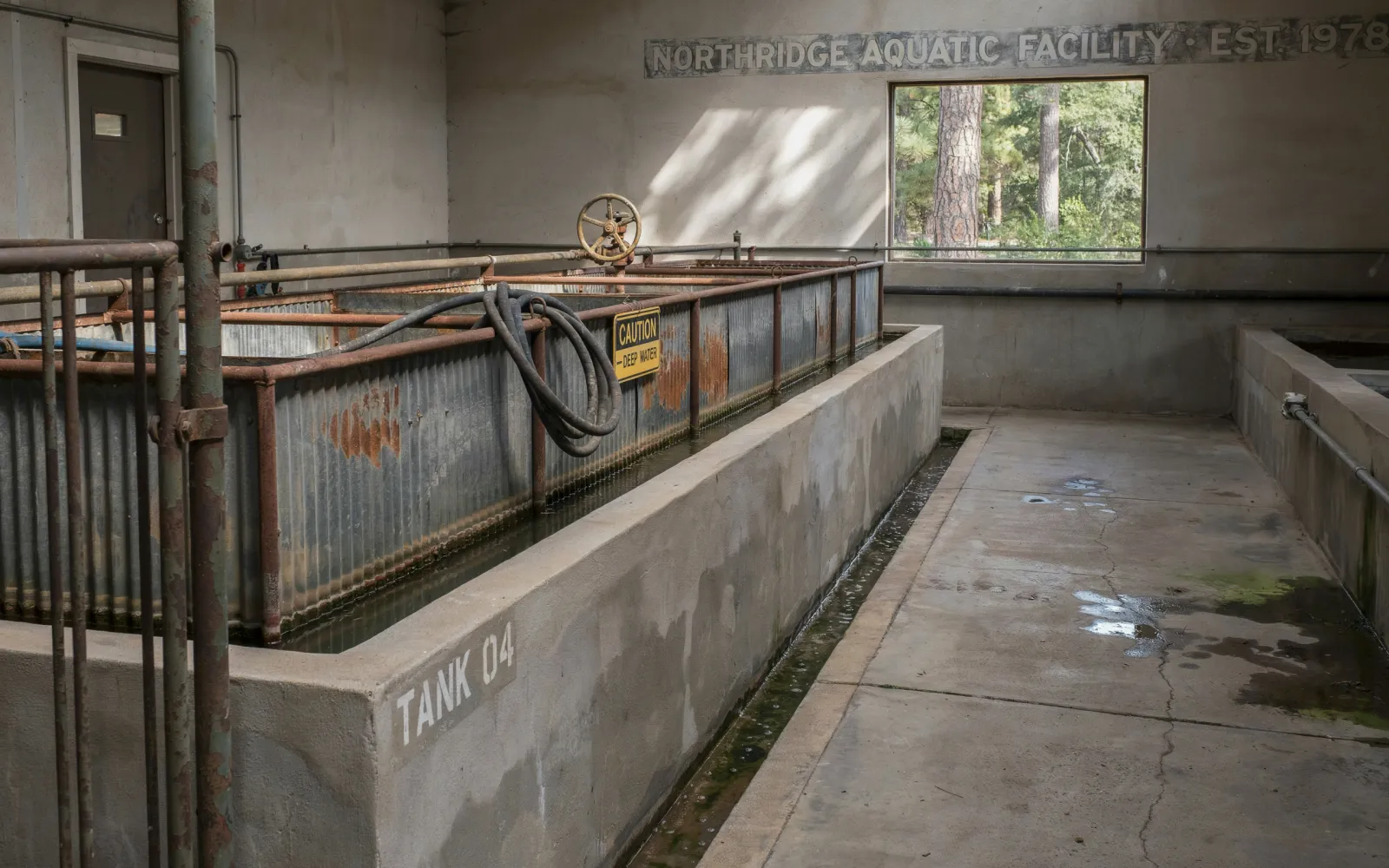
In Douglas County, a quiet hush falls over the Brule State Fish Hatchery as a funding impasse leaves the facility shuttered for the 2026 season. The closure follows a decision by the Wisconsin Department of Natural Resources (DNR) to cut fish‑stocking levels statewide—a move that has drawn fire from anglers and conservation groups who warn it could dent the state’s $1 billion‑plus fishing industry.
Under normal circumstances, the Les Voigt hatchery in Bayfield raises roughly 30,000 brown‑trout fingerlings each year. Eggs collected from the Root River are incubated in central Wisconsin and then transferred to Brule in summer. From there, the hatchery finishes about 160,000 brown trout before they are released into Lakes Superior and Michigan. Last year, Brule stocked a total of 372,000 brown trout in those lakes.
The DNR had originally planned to slash musky stocking by 70 percent and walleye stocking by 45 percent. After a budgetary standoff, the agency restored musky stocking and trimmed overall reductions to 7 percent statewide. The cuts—amounting to more than half a million fish—stemmed from a lack of spending authority for the fish‑and‑wildlife account. In February, the agency requested an additional $4 million in authority after discovering that federal Sport Fish Restoration Act funding would be $1.5 million lower than anticipated.
The legislature approved the request, yet the DNR still faces an $11 million shortfall. Staffing has been reduced: authorized to employ 203 fisheries positions, the agency now has about 185. Brule and Osceola hatcheries will operate without permanent staff this year, relying only on supervisors on site. Private hatcheries cannot easily replace the public facilities, as they may lack the appropriate genetics or sufficient food supplies.
With Brule closed, some brown trout that would normally finish at the hatchery will be released early in the fall. DNR staff say the window is tight: species such as walleye and muskies spawn in spring, and eggs must be collected within a narrow window.
Anglers fear that reduced stocking could lower fishing quality and hurt tourism. Todd Berg, a local angler and representative of the Friends of Wisconsin Fisheries, said the state’s “throat” is being cut. He noted that the 2023‑25 budget included a $15 million transfer from the forestry account to cover the deficit, but the DNR lacked permission to spend those funds.
An audit released by the Legislative Audit Bureau in August found that the DNR had spent money appropriately. It made nine recommendations for improved financial reporting, which the agency says it has implemented.
Some lawmakers and conservation advocates are calling for a 25 percent increase in hunting and fishing license fees, while others suggest a modest sales‑tax levy similar to Missouri’s. A one‑eighth of one percent sales‑tax increase could generate up to $200 million based on last year’s Wisconsin sales‑tax revenue.
The DNR’s current plan is to concentrate its limited resources on the remaining hatcheries and to produce as many fish as possible, though it cannot hire additional staff to do so. Fisheries Management Bureau Director Justine Hasz said the agency is “authorized to have 203 fisheries positions, but we currently have around 185.”
The Brule hatchery’s closure remains in effect for the 2026 season. Anglers and local businesses await further guidance from the DNR and the legislature on whether additional funding or staffing will be restored. The state’s fish‑and‑wildlife account still faces a projected shortfall, and the debate over how to fund it—through license‑fee increases, sales‑tax revenue, or other mechanisms—continues.
Next steps will involve the DNR’s ongoing efforts to secure spending authority, the legislature’s review of the fish‑and‑wildlife budget, and potential adjustments to stocking schedules. Until those issues are resolved, the Brule hatchery will stay closed, and the state’s brown‑trout stocking numbers will remain lower than in previous years.
Under normal circumstances, the Les Voigt hatchery in Bayfield raises roughly 30,000 brown‑trout fingerlings each year. Eggs collected from the Root River are incubated in central Wisconsin and then transferred to Brule in summer. From there, the hatchery finishes about 160,000 brown trout before they are released into Lakes Superior and Michigan. Last year, Brule stocked a total of 372,000 brown trout in those lakes.
The DNR had originally planned to slash musky stocking by 70 percent and walleye stocking by 45 percent. After a budgetary standoff, the agency restored musky stocking and trimmed overall reductions to 7 percent statewide. The cuts—amounting to more than half a million fish—stemmed from a lack of spending authority for the fish‑and‑wildlife account. In February, the agency requested an additional $4 million in authority after discovering that federal Sport Fish Restoration Act funding would be $1.5 million lower than anticipated.
The legislature approved the request, yet the DNR still faces an $11 million shortfall. Staffing has been reduced: authorized to employ 203 fisheries positions, the agency now has about 185. Brule and Osceola hatcheries will operate without permanent staff this year, relying only on supervisors on site. Private hatcheries cannot easily replace the public facilities, as they may lack the appropriate genetics or sufficient food supplies.
With Brule closed, some brown trout that would normally finish at the hatchery will be released early in the fall. DNR staff say the window is tight: species such as walleye and muskies spawn in spring, and eggs must be collected within a narrow window.
Anglers fear that reduced stocking could lower fishing quality and hurt tourism. Todd Berg, a local angler and representative of the Friends of Wisconsin Fisheries, said the state’s “throat” is being cut. He noted that the 2023‑25 budget included a $15 million transfer from the forestry account to cover the deficit, but the DNR lacked permission to spend those funds.
An audit released by the Legislative Audit Bureau in August found that the DNR had spent money appropriately. It made nine recommendations for improved financial reporting, which the agency says it has implemented.
Some lawmakers and conservation advocates are calling for a 25 percent increase in hunting and fishing license fees, while others suggest a modest sales‑tax levy similar to Missouri’s. A one‑eighth of one percent sales‑tax increase could generate up to $200 million based on last year’s Wisconsin sales‑tax revenue.
The DNR’s current plan is to concentrate its limited resources on the remaining hatcheries and to produce as many fish as possible, though it cannot hire additional staff to do so. Fisheries Management Bureau Director Justine Hasz said the agency is “authorized to have 203 fisheries positions, but we currently have around 185.”
The Brule hatchery’s closure remains in effect for the 2026 season. Anglers and local businesses await further guidance from the DNR and the legislature on whether additional funding or staffing will be restored. The state’s fish‑and‑wildlife account still faces a projected shortfall, and the debate over how to fund it—through license‑fee increases, sales‑tax revenue, or other mechanisms—continues.
Next steps will involve the DNR’s ongoing efforts to secure spending authority, the legislature’s review of the fish‑and‑wildlife budget, and potential adjustments to stocking schedules. Until those issues are resolved, the Brule hatchery will stay closed, and the state’s brown‑trout stocking numbers will remain lower than in previous years.