Blab Politics
Shifting Political Winds: Carneys Liberal Dominance Faces New Challenges in Canada
When Mark Carney took the helm in April 2025, the Liberal Party seemed to have found a new footing. A federal election that saw the Liberals secure a fourth consecutive mandate produced a minority government—an uncommon outcome for a party that had previously ruled with majorities. Carney himself won the seat of Nepean, and his victory was interpreted as a signal that Canada was moving toward a more centrist, reform‑oriented era.
Since assuming office, Carney has kept the government’s approval ratings high. A recent analysis by political scientist David Coletto notes that 47 percent of Canadians now believe the country is headed in the right direction—a figure that represents a ten‑year high. Parliament has seen the Liberals steadily gain seats, and polling data has revealed a gradual rise in Liberal support while the Conservatives have slipped and the New Democratic Party (NDP) has largely stayed flat.
Yet the political landscape is beginning to shift. Recent polling from Liason, Nanos, and Abacus shows a modest uptick for the NDP, while both Carney’s personal approval and the government’s overall ratings have dipped slightly. The data suggest that the optimism that once defined the Carney era is starting to wane.
A key factor in the NDP’s 2025 decline was the migration of a significant portion of its base to the Liberals. Ipsos Reid data cited in the analysis shows that 19 percent of 2021 NDP voters switched to the Liberals, compared with only 5 percent who moved to the Conservatives. The shift was especially pronounced in ridings that swung to the Liberals, undermining the NDP’s overall performance.
The NDP’s fortunes suffered further after the 2025 election, when the party lost official status and remained without a leader until March 2026. During that period, the NDP was largely absent from the national debate. The election of Avi Lewis—a filmmaker and journalist—in March 2026 has begun to restore attention to the party. Lewis has re‑introduced a social‑democratic critique into federal policy discussions, particularly in response to the government’s spring economic update.
Meanwhile, the Conservatives, led by Pierre Poilievre, have struggled to differentiate themselves from the Liberals. The party’s 2025 platform emphasized public‑spending cuts, tax reductions, deregulation of the oil and gas sector, and increased defence spending—positions that closely mirror those pursued by Carney. Poilievre’s criticism of the government often focuses on the pace or execution of policies rather than offering substantive alternatives.
Carney’s government has pursued a blend of centrist and right‑leaning measures. The removal of the federal consumer carbon tax, the enactment of the One Canadian Economy Act, and the launch of the Build Canada Homes agency all align with Conservative priorities. At the same time, the government has introduced a sovereign wealth fund, increased defence spending, and formally recognized the State of Palestine.
Under Lewis’s leadership, the NDP is capitalizing on the Liberals’ rightward shift. His focus on social investment and economic independence from the United States resonates with voters who previously supported the NDP but felt drawn to the Liberals during the 2025 election.
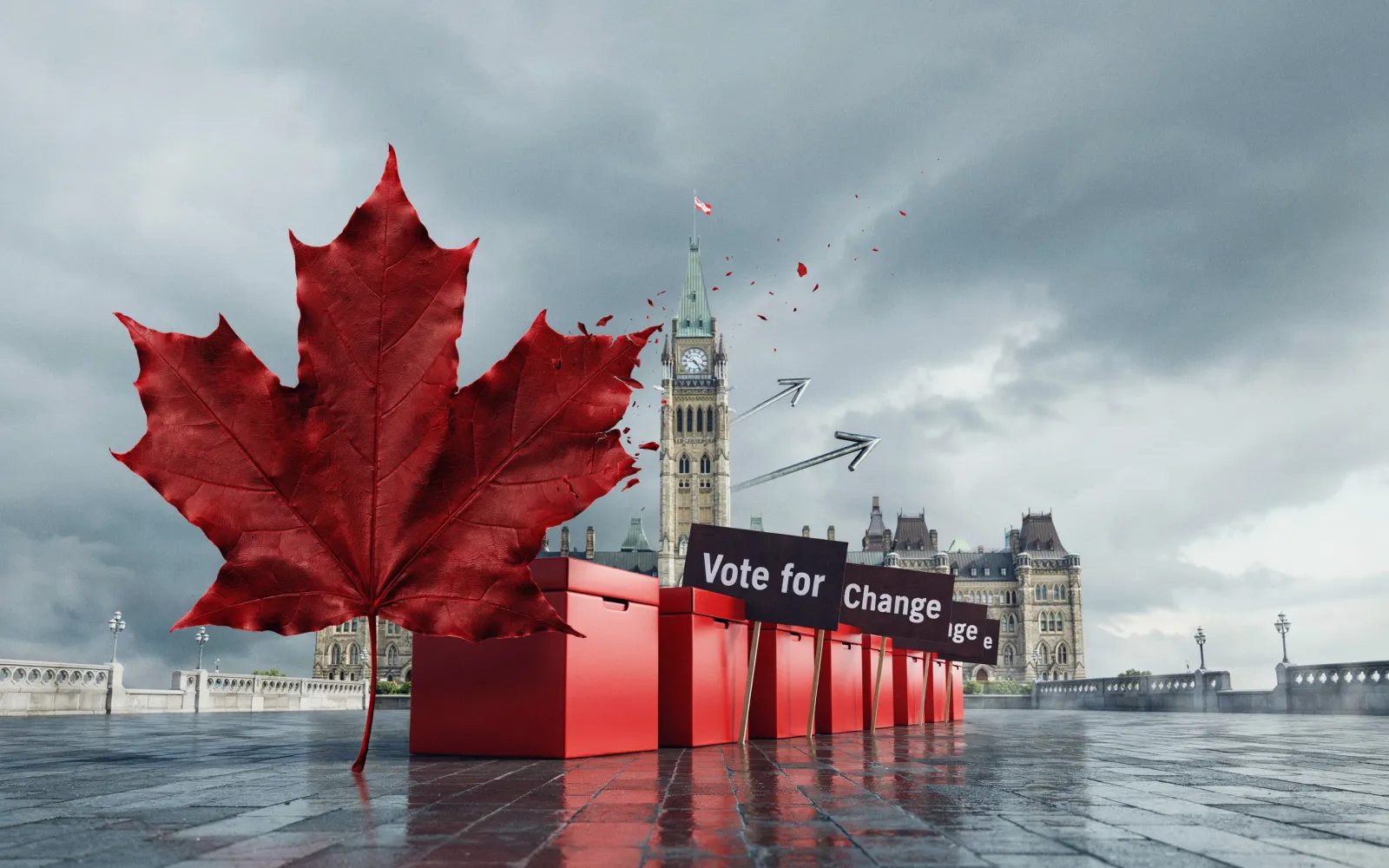
The dynamics described above indicate that the Carney era, once perceived as a new norm, is now experiencing early signs of change. While the Liberals still hold a majority of seats in Parliament, the combination of declining approval ratings, a resurgent NDP, and a Conservative party that has struggled to present a distinct alternative suggests that Canada’s political landscape may continue to evolve.
At present, the Liberal Party remains in power, but the next federal election will test whether the shifts in public opinion and party dynamics will translate into a change in government.
Since assuming office, Carney has kept the government’s approval ratings high. A recent analysis by political scientist David Coletto notes that 47 percent of Canadians now believe the country is headed in the right direction—a figure that represents a ten‑year high. Parliament has seen the Liberals steadily gain seats, and polling data has revealed a gradual rise in Liberal support while the Conservatives have slipped and the New Democratic Party (NDP) has largely stayed flat.
Yet the political landscape is beginning to shift. Recent polling from Liason, Nanos, and Abacus shows a modest uptick for the NDP, while both Carney’s personal approval and the government’s overall ratings have dipped slightly. The data suggest that the optimism that once defined the Carney era is starting to wane.
A key factor in the NDP’s 2025 decline was the migration of a significant portion of its base to the Liberals. Ipsos Reid data cited in the analysis shows that 19 percent of 2021 NDP voters switched to the Liberals, compared with only 5 percent who moved to the Conservatives. The shift was especially pronounced in ridings that swung to the Liberals, undermining the NDP’s overall performance.
The NDP’s fortunes suffered further after the 2025 election, when the party lost official status and remained without a leader until March 2026. During that period, the NDP was largely absent from the national debate. The election of Avi Lewis—a filmmaker and journalist—in March 2026 has begun to restore attention to the party. Lewis has re‑introduced a social‑democratic critique into federal policy discussions, particularly in response to the government’s spring economic update.
Meanwhile, the Conservatives, led by Pierre Poilievre, have struggled to differentiate themselves from the Liberals. The party’s 2025 platform emphasized public‑spending cuts, tax reductions, deregulation of the oil and gas sector, and increased defence spending—positions that closely mirror those pursued by Carney. Poilievre’s criticism of the government often focuses on the pace or execution of policies rather than offering substantive alternatives.
Carney’s government has pursued a blend of centrist and right‑leaning measures. The removal of the federal consumer carbon tax, the enactment of the One Canadian Economy Act, and the launch of the Build Canada Homes agency all align with Conservative priorities. At the same time, the government has introduced a sovereign wealth fund, increased defence spending, and formally recognized the State of Palestine.
Under Lewis’s leadership, the NDP is capitalizing on the Liberals’ rightward shift. His focus on social investment and economic independence from the United States resonates with voters who previously supported the NDP but felt drawn to the Liberals during the 2025 election.
The dynamics described above indicate that the Carney era, once perceived as a new norm, is now experiencing early signs of change. While the Liberals still hold a majority of seats in Parliament, the combination of declining approval ratings, a resurgent NDP, and a Conservative party that has struggled to present a distinct alternative suggests that Canada’s political landscape may continue to evolve.
At present, the Liberal Party remains in power, but the next federal election will test whether the shifts in public opinion and party dynamics will translate into a change in government.