Blab Politics
SpaceXs Record IPO Highlights Musks Deepening Ties to U.S. Government and Rising Political Risks
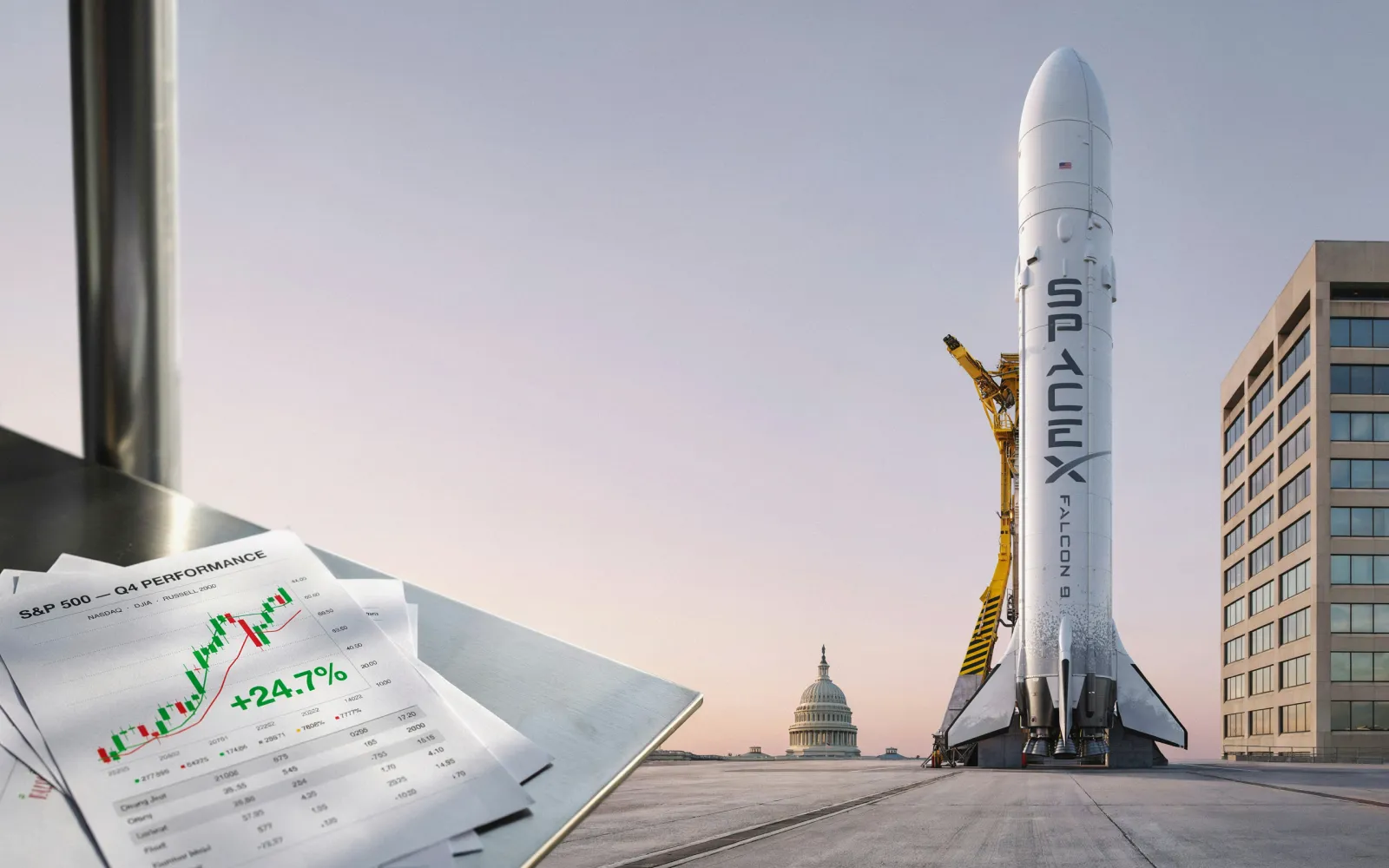
On June 12, 2026, SpaceX shattered IPO records, selling 555 million shares at $135 each to raise $75 billion. The company’s market value surged to $1.77 trillion, placing it among the world’s largest firms.
The launch of Falcon 1 in 2008 and the first commercial resupply missions to the International Space Station in 2012 set SpaceX on a path of rapid growth. Early contracts with NASA and the U.S. Department of Defense provided the capital and credibility needed to expand the company’s launch and satellite operations. In 2026, SpaceX reported that it had secured almost $7 billion in contracts from the Trump administration, including a role in the Golden Dome missile‑defense program.
Starlink, SpaceX’s satellite‑internet arm, now operates more than 10,000 low‑Earth‑orbit satellites—about 70 % of all active satellites worldwide. The service has more than 12 million subscribers in 164 countries and generated $11.4 billion in revenue in 2025, with $4.4 billion in operating income. Starlink has become SpaceX’s largest business segment, while the rocket‑launch business remains expensive, reporting an operating loss of $657 million in the same year.
SpaceX’s artificial‑intelligence subsidiary, xAI, acquired in 2026, has incurred losses exceeding $6 billion. These financial figures illustrate the company’s reliance on government contracts and its diversification into high‑cost research areas.
Elon Musk’s political profile has intensified in recent years. He was the largest donor to Donald Trump’s 2024 campaign and served as a senior advisor to the president. Musk also headed the Department of Government Efficiency (DOGE) during the Trump administration, a position that reinforced his ties to the federal government.
Musk’s public statements and social‑media activity have drawn criticism for supporting far‑right positions in the United States and abroad. In 2025 he was involved in a public feud with Trump that led to his departure from the administration. The controversy has raised concerns that a change in U.S. administration could jeopardize SpaceX’s defense contracts.
Internationally, Musk’s association with Trump has affected SpaceX’s market access. India has extended the approval process for Starlink services because of the company’s use of its technology in the U.S.–Israeli attack on Iran, a conflict that India views as reckless. The delay reflects broader geopolitical caution toward companies linked to U.S. political figures.
In the United Kingdom, Musk’s comments on immigration and support for far‑right candidates have prompted public figures to advise him to stay out of foreign politics. Despite this, Tesla was recently granted a license to supply electricity to British homes, indicating that commercial operations have not yet been halted.
The IPO’s timing coincides with Musk’s status as the world’s first trillionaire, a milestone that has amplified scrutiny of his business practices. Analysts note that the company’s close relationship with the U.S. government could create a “too‑big‑to‑fail” dynamic, potentially inviting future bailouts.
SpaceX’s current trajectory shows a company that has moved from a government‑dependent startup to a diversified technology conglomerate. However, its political entanglements introduce new risks that could affect future contracts, international market access, and regulatory scrutiny.
As the company enters the public market, investors and policymakers will monitor how Musk’s political affiliations influence SpaceX’s business strategy and its relationships with defense and foreign governments. The company’s next steps will include the continued expansion of Starlink, the development of the Starship launch vehicle for lunar missions, and the integration of xAI’s artificial‑intelligence projects.
The IPO has set a new benchmark for corporate valuations, but it also highlights the complex interplay between private enterprise, government contracts, and political influence in the modern technology sector.
The launch of Falcon 1 in 2008 and the first commercial resupply missions to the International Space Station in 2012 set SpaceX on a path of rapid growth. Early contracts with NASA and the U.S. Department of Defense provided the capital and credibility needed to expand the company’s launch and satellite operations. In 2026, SpaceX reported that it had secured almost $7 billion in contracts from the Trump administration, including a role in the Golden Dome missile‑defense program.
Starlink, SpaceX’s satellite‑internet arm, now operates more than 10,000 low‑Earth‑orbit satellites—about 70 % of all active satellites worldwide. The service has more than 12 million subscribers in 164 countries and generated $11.4 billion in revenue in 2025, with $4.4 billion in operating income. Starlink has become SpaceX’s largest business segment, while the rocket‑launch business remains expensive, reporting an operating loss of $657 million in the same year.
SpaceX’s artificial‑intelligence subsidiary, xAI, acquired in 2026, has incurred losses exceeding $6 billion. These financial figures illustrate the company’s reliance on government contracts and its diversification into high‑cost research areas.
Elon Musk’s political profile has intensified in recent years. He was the largest donor to Donald Trump’s 2024 campaign and served as a senior advisor to the president. Musk also headed the Department of Government Efficiency (DOGE) during the Trump administration, a position that reinforced his ties to the federal government.
Musk’s public statements and social‑media activity have drawn criticism for supporting far‑right positions in the United States and abroad. In 2025 he was involved in a public feud with Trump that led to his departure from the administration. The controversy has raised concerns that a change in U.S. administration could jeopardize SpaceX’s defense contracts.
Internationally, Musk’s association with Trump has affected SpaceX’s market access. India has extended the approval process for Starlink services because of the company’s use of its technology in the U.S.–Israeli attack on Iran, a conflict that India views as reckless. The delay reflects broader geopolitical caution toward companies linked to U.S. political figures.
In the United Kingdom, Musk’s comments on immigration and support for far‑right candidates have prompted public figures to advise him to stay out of foreign politics. Despite this, Tesla was recently granted a license to supply electricity to British homes, indicating that commercial operations have not yet been halted.
The IPO’s timing coincides with Musk’s status as the world’s first trillionaire, a milestone that has amplified scrutiny of his business practices. Analysts note that the company’s close relationship with the U.S. government could create a “too‑big‑to‑fail” dynamic, potentially inviting future bailouts.
SpaceX’s current trajectory shows a company that has moved from a government‑dependent startup to a diversified technology conglomerate. However, its political entanglements introduce new risks that could affect future contracts, international market access, and regulatory scrutiny.
As the company enters the public market, investors and policymakers will monitor how Musk’s political affiliations influence SpaceX’s business strategy and its relationships with defense and foreign governments. The company’s next steps will include the continued expansion of Starlink, the development of the Starship launch vehicle for lunar missions, and the integration of xAI’s artificial‑intelligence projects.
The IPO has set a new benchmark for corporate valuations, but it also highlights the complex interplay between private enterprise, government contracts, and political influence in the modern technology sector.