Blab Politics
Venezuela Launches $150 B Debt Restructuring, Hires Centerview as Adviser
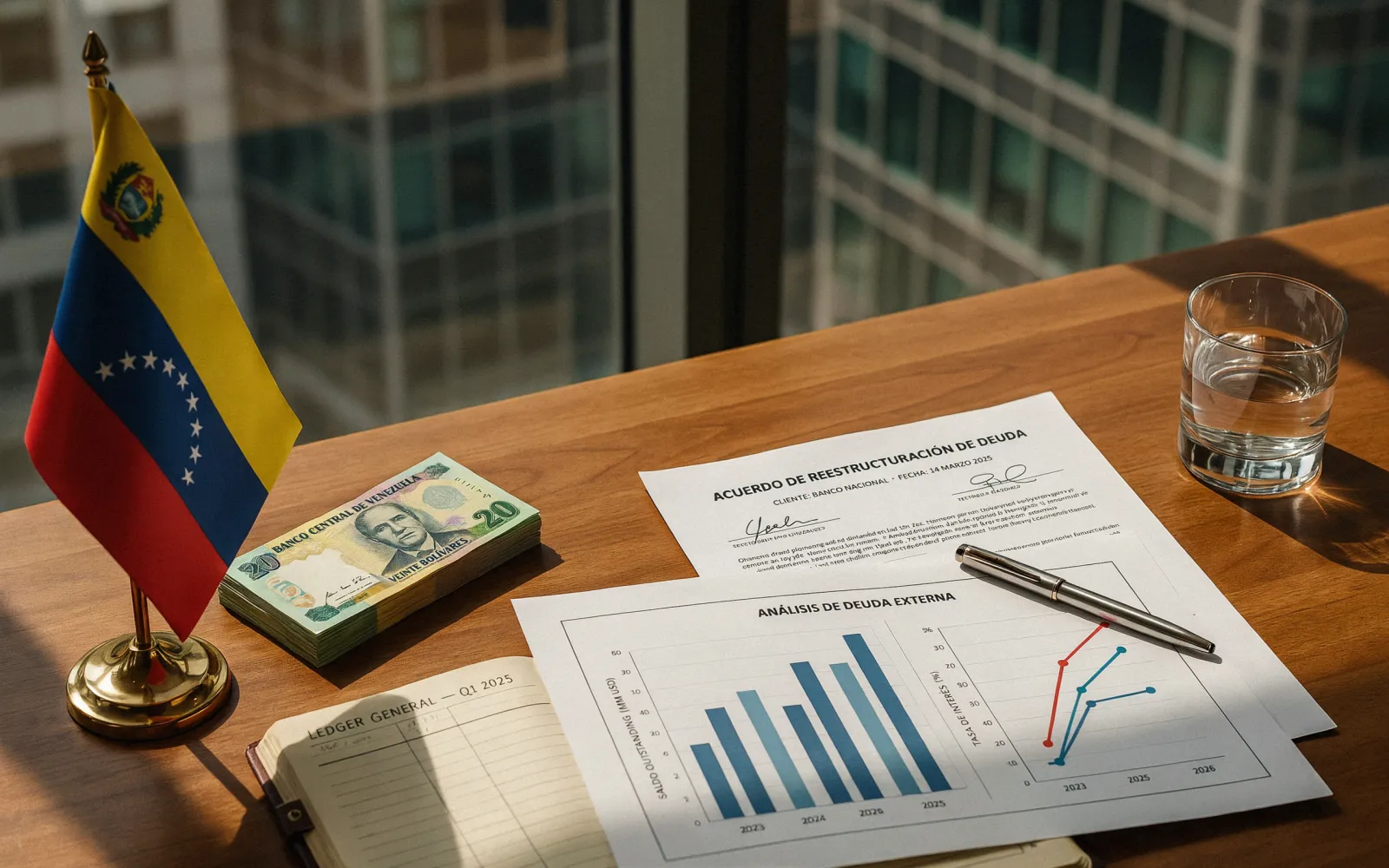
On May 13, Venezuela announced it would formally begin restructuring its external debt, a move that could finally lift the country out of a decade‑long default that started in 2017. The announcement came after the U.S. Treasury lifted restrictions that had previously barred the Venezuelan government from hiring financial and legal advisers.
The debt Venezuela seeks to reorganize is estimated by analysts to exceed $150 billion. That figure includes obligations of the federal government and state‑owned oil company PDVSA, as well as arbitration awards and accumulated interest that have piled up during years of economic isolation. Creditors span a wide spectrum—from institutional funds in the United States to sovereign banks in Europe and Asia.
To steer the effort, Caracas selected Centerview Partners, a boutique investment bank that has advised on large sovereign restructurings, most notably Greece’s 2012–2013 negotiations. A draft engagement letter shows a fee of roughly $150 million if the restructuring succeeds, a figure that reflects both the debt’s magnitude and the complexity of the talks.
The decision to hire Centerview follows a shift in Venezuelan politics. In January 2026, the U.S. captured former President Nicolás Maduro and his wife, and the interim government led by Vice President Delcy Rodríguez took office. The new administration has begun restoring diplomatic and economic ties with Washington, including the lifting of sanctions that had blocked Venezuelan oil exports.
Since the change of government, Venezuelan bonds have rallied sharply. Prices on the country’s benchmark notes due in October 2026 have more than doubled since the start of the year, reaching levels not seen since the debt entered default in 2017. Investors appear optimistic that a debt deal could eventually allow the country to repay its obligations, especially given the potential for increased oil revenues.
However, the restructuring process faces significant hurdles. Many of the bonds in question lack clauses that would bind creditors to a negotiated settlement. As a result, holdout creditors—those who refuse to accept a restructuring proposal—could pursue full repayment through legal channels, a scenario that has delayed debt resolution in other countries, most notably Argentina.
The Venezuelan government has stated that it intends to negotiate an “orderly” restructuring that would involve all creditors. The process will likely require the creation of a new legal framework to ensure that any settlement is enforceable and that holdouts are addressed. The complexity of the creditor base, combined with the absence of holdout‑protection clauses, suggests that the negotiations could take several months.
A successful deal could open the door for renewed investment in Venezuela’s oil sector, which has been largely shut out of international markets for years. It could also restore access to global financial markets for the Venezuelan government and PDVSA, allowing the country to borrow at more reasonable rates.
Conversely, a failure to reach a settlement could prolong the country’s isolation and keep the debt at a high level, further limiting the government’s ability to finance public services or invest in infrastructure.
At present, the Venezuelan government has not set a timetable for the negotiations. The next steps will involve the formal appointment of legal and financial advisers, the drafting of a restructuring proposal, and outreach to the diverse group of creditors. The U.S. Treasury’s recent decision to allow Venezuela to hire advisers is a prerequisite for these steps.
The restructuring process remains in its early stages, and the outcome will depend on the ability of the Venezuelan government, its advisers, and the creditor community to agree on a framework that balances the country’s need to reduce debt with creditors’ expectations for repayment.
The situation is evolving, and observers will be watching how the negotiations unfold and whether the bond rally translates into a concrete settlement.
The debt Venezuela seeks to reorganize is estimated by analysts to exceed $150 billion. That figure includes obligations of the federal government and state‑owned oil company PDVSA, as well as arbitration awards and accumulated interest that have piled up during years of economic isolation. Creditors span a wide spectrum—from institutional funds in the United States to sovereign banks in Europe and Asia.
To steer the effort, Caracas selected Centerview Partners, a boutique investment bank that has advised on large sovereign restructurings, most notably Greece’s 2012–2013 negotiations. A draft engagement letter shows a fee of roughly $150 million if the restructuring succeeds, a figure that reflects both the debt’s magnitude and the complexity of the talks.
The decision to hire Centerview follows a shift in Venezuelan politics. In January 2026, the U.S. captured former President Nicolás Maduro and his wife, and the interim government led by Vice President Delcy Rodríguez took office. The new administration has begun restoring diplomatic and economic ties with Washington, including the lifting of sanctions that had blocked Venezuelan oil exports.
Since the change of government, Venezuelan bonds have rallied sharply. Prices on the country’s benchmark notes due in October 2026 have more than doubled since the start of the year, reaching levels not seen since the debt entered default in 2017. Investors appear optimistic that a debt deal could eventually allow the country to repay its obligations, especially given the potential for increased oil revenues.
However, the restructuring process faces significant hurdles. Many of the bonds in question lack clauses that would bind creditors to a negotiated settlement. As a result, holdout creditors—those who refuse to accept a restructuring proposal—could pursue full repayment through legal channels, a scenario that has delayed debt resolution in other countries, most notably Argentina.
The Venezuelan government has stated that it intends to negotiate an “orderly” restructuring that would involve all creditors. The process will likely require the creation of a new legal framework to ensure that any settlement is enforceable and that holdouts are addressed. The complexity of the creditor base, combined with the absence of holdout‑protection clauses, suggests that the negotiations could take several months.
A successful deal could open the door for renewed investment in Venezuela’s oil sector, which has been largely shut out of international markets for years. It could also restore access to global financial markets for the Venezuelan government and PDVSA, allowing the country to borrow at more reasonable rates.
Conversely, a failure to reach a settlement could prolong the country’s isolation and keep the debt at a high level, further limiting the government’s ability to finance public services or invest in infrastructure.
At present, the Venezuelan government has not set a timetable for the negotiations. The next steps will involve the formal appointment of legal and financial advisers, the drafting of a restructuring proposal, and outreach to the diverse group of creditors. The U.S. Treasury’s recent decision to allow Venezuela to hire advisers is a prerequisite for these steps.
The restructuring process remains in its early stages, and the outcome will depend on the ability of the Venezuelan government, its advisers, and the creditor community to agree on a framework that balances the country’s need to reduce debt with creditors’ expectations for repayment.
The situation is evolving, and observers will be watching how the negotiations unfold and whether the bond rally translates into a concrete settlement.







