Blab Politics
Washington, D.C. Holds First Ranked-Choice Primary, Boosting Womens Representation
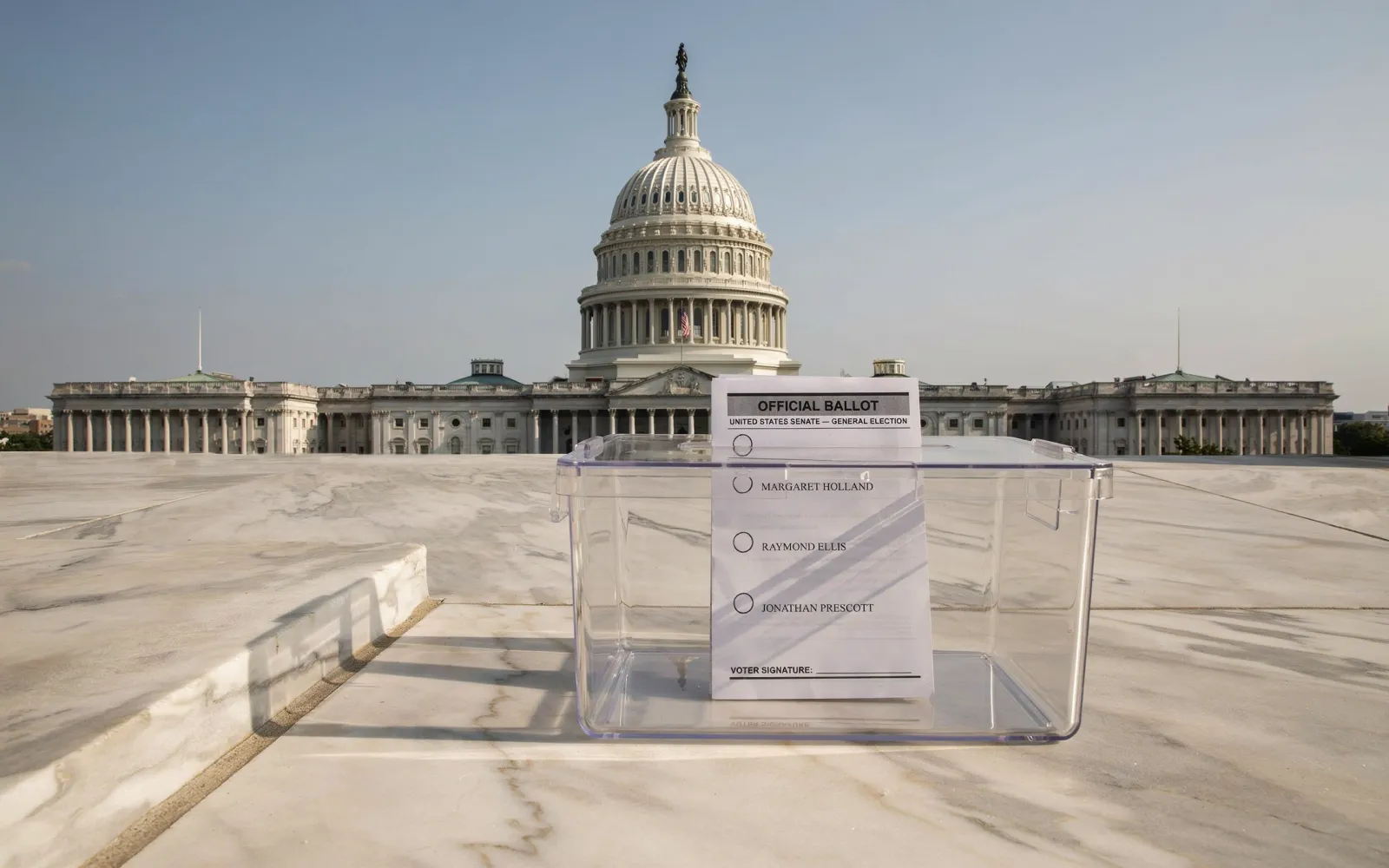
On June 16, 2026, voters in Washington, D.C. cast the first ballots in the district’s history that use ranked‑choice voting (RCV). The change, approved by a 73‑percent majority in Initiative 83 in 2024, marks a milestone for the city’s electoral system and for the prospects of women candidates.
The primary will determine nominees for the mayor, the non‑voting congressional delegate, and open seats on the 13‑member Council. Because the Democratic Party has held every mayoral office since 1974, the primary is effectively the decisive election for the city’s executive leadership. The new system replaces the traditional first‑past‑the‑post method with instant‑runoff voting, allowing voters to rank candidates in order of preference.
RCV is part of a broader trend that has already produced measurable gains for women in other jurisdictions. According to reports, 92 percent of U.S. House seats are considered safe for one party, meaning that the primary, not the general election, determines representation. In 2026, 40 percent of the House has been decided by just 3 percent of voters in those primaries. When the decisive election is held in a low‑turnout, often closed‑party contest, barriers are amplified for women, candidates of color, and newcomers who lack long‑standing networks.
In Colorado, 47 percent of women are registered independents, a group that is effectively excluded from the ballot‑access process because they cannot sign petitions or participate in party assemblies. The state’s Gender Parity Index scores 5.6 out of 30 for Congress, a figure that reflects the design of the primary system rather than demographic factors.
New Mexico offers a contrasting example. The state’s lower chamber is already 54 percent women, and the 2026 cycle is building on that momentum. Former interior secretary Deb Haaland won the Democratic gubernatorial nomination and, if elected, would become the first Native American woman governor in U.S. history. New Mexico also has active efforts to expand RCV to municipal elections, with Albuquerque slated to adopt the system after Santa Fe and Las Cruces have already implemented it. In cities that use RCV, women hold 55 percent of council seats compared with roughly 25 percent nationally.
Alaska’s experience further illustrates the impact of open primary and RCV systems. In 2022, the state’s top‑four non‑partisan primary followed by a ranked‑choice general election produced the highest number of women candidates for statewide office in a single cycle. The trend has continued into 2026, with the August 18 primary and a general election that will use RCV.
Maine’s 2026 gubernatorial primary, held on June 9, also used RCV. The race featured five candidates, and the tabulation process eliminated spoilers and highlighted candidates who could secure broad second‑choice support. While the primary is still pending final counts, analysts note that the system tends to favor candidates who can appeal across party lines.
Other recent primaries provide additional context. In Nevada, women occupy 50 percent of major‑party nominees for the U.S. House and 40 percent of nominees for statewide executive office. In South Carolina, the lieutenant governor’s race and the Senate primary feature women candidates, but the Senate seat remains a solid Republican contest.
The Los Angeles mayoral race offers a practical illustration of RCV’s effect on women’s representation. The 2022 primary produced an all‑woman runoff, and the June 2026 primary is expected to maintain that pattern. In California, the June primary saw four women from San Francisco lead statewide races, a historic concentration that could translate into a sweep of state offices.
The Washington, D.C. primary is therefore a critical test of how RCV can open doors for women. The city’s election board has begun mailing ballots, and the process is expected to be completed by the end of the week. The results will determine whether women can secure the mayoral nomination and open seats on the Council, potentially setting a precedent for other jurisdictions.
In the months ahead, the focus will shift to the general election on November 3, 2026, when the district will again use RCV for all contests. The outcomes will reveal whether the new system sustains its promise of broader representation and whether women’s candidacies can translate into elected office.
The primary’s significance extends beyond Washington, D.C. It underscores the role of electoral rules in shaping who runs, who wins, and whose voices are amplified. As more states and cities adopt RCV, the pattern observed in Colorado, New Mexico, Alaska, and Maine may become a national standard for fostering inclusive representation.
The primary will determine nominees for the mayor, the non‑voting congressional delegate, and open seats on the 13‑member Council. Because the Democratic Party has held every mayoral office since 1974, the primary is effectively the decisive election for the city’s executive leadership. The new system replaces the traditional first‑past‑the‑post method with instant‑runoff voting, allowing voters to rank candidates in order of preference.
RCV is part of a broader trend that has already produced measurable gains for women in other jurisdictions. According to reports, 92 percent of U.S. House seats are considered safe for one party, meaning that the primary, not the general election, determines representation. In 2026, 40 percent of the House has been decided by just 3 percent of voters in those primaries. When the decisive election is held in a low‑turnout, often closed‑party contest, barriers are amplified for women, candidates of color, and newcomers who lack long‑standing networks.
In Colorado, 47 percent of women are registered independents, a group that is effectively excluded from the ballot‑access process because they cannot sign petitions or participate in party assemblies. The state’s Gender Parity Index scores 5.6 out of 30 for Congress, a figure that reflects the design of the primary system rather than demographic factors.
New Mexico offers a contrasting example. The state’s lower chamber is already 54 percent women, and the 2026 cycle is building on that momentum. Former interior secretary Deb Haaland won the Democratic gubernatorial nomination and, if elected, would become the first Native American woman governor in U.S. history. New Mexico also has active efforts to expand RCV to municipal elections, with Albuquerque slated to adopt the system after Santa Fe and Las Cruces have already implemented it. In cities that use RCV, women hold 55 percent of council seats compared with roughly 25 percent nationally.
Alaska’s experience further illustrates the impact of open primary and RCV systems. In 2022, the state’s top‑four non‑partisan primary followed by a ranked‑choice general election produced the highest number of women candidates for statewide office in a single cycle. The trend has continued into 2026, with the August 18 primary and a general election that will use RCV.
Maine’s 2026 gubernatorial primary, held on June 9, also used RCV. The race featured five candidates, and the tabulation process eliminated spoilers and highlighted candidates who could secure broad second‑choice support. While the primary is still pending final counts, analysts note that the system tends to favor candidates who can appeal across party lines.
Other recent primaries provide additional context. In Nevada, women occupy 50 percent of major‑party nominees for the U.S. House and 40 percent of nominees for statewide executive office. In South Carolina, the lieutenant governor’s race and the Senate primary feature women candidates, but the Senate seat remains a solid Republican contest.
The Los Angeles mayoral race offers a practical illustration of RCV’s effect on women’s representation. The 2022 primary produced an all‑woman runoff, and the June 2026 primary is expected to maintain that pattern. In California, the June primary saw four women from San Francisco lead statewide races, a historic concentration that could translate into a sweep of state offices.
The Washington, D.C. primary is therefore a critical test of how RCV can open doors for women. The city’s election board has begun mailing ballots, and the process is expected to be completed by the end of the week. The results will determine whether women can secure the mayoral nomination and open seats on the Council, potentially setting a precedent for other jurisdictions.
In the months ahead, the focus will shift to the general election on November 3, 2026, when the district will again use RCV for all contests. The outcomes will reveal whether the new system sustains its promise of broader representation and whether women’s candidacies can translate into elected office.
The primary’s significance extends beyond Washington, D.C. It underscores the role of electoral rules in shaping who runs, who wins, and whose voices are amplified. As more states and cities adopt RCV, the pattern observed in Colorado, New Mexico, Alaska, and Maine may become a national standard for fostering inclusive representation.