Blab Politics
Windscale Fire of 1957: Britains Worst Nuclear Accident and Its Lasting Legacy
On 10 October 1957, technicians at the Windscale nuclear site in Cumberland uncovered a blaze in the heart of Reactor 1—Britain’s most severe nuclear accident to date. The fire unleashed plumes of iodine‑131 and polonium‑210 across the English countryside, yet early detection, a smokestack filter, and a daring water douse limited the fallout and averted a larger catastrophe.
Windscale was erected in the early 1950s as part of the United Kingdom’s post‑war atomic‑bomb programme. The two graphite‑moderated reactors, dubbed “piles,” produced weapons‑grade plutonium for the British nuclear arsenal. The graphite moderator, however, stored energy from neutron bombardment—a phenomenon known as the Wigner effect. Because the United States had imposed strict secrecy on nuclear technology after the Atomic Energy Act of 1946, British engineers were unaware that stored Wigner energy could ignite a fire.
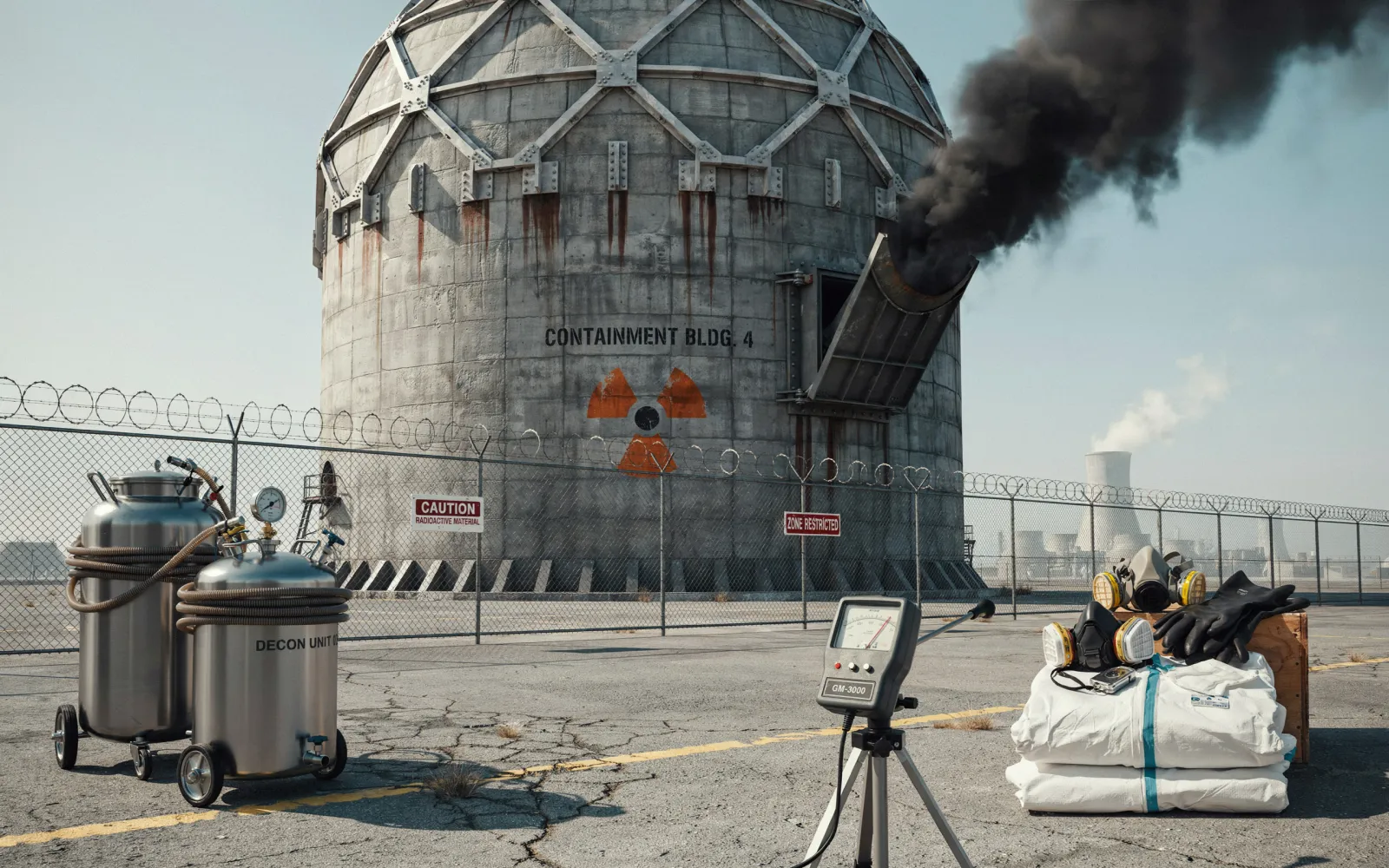
During a routine annealing cycle on 7 October, the temperature in one channel of Pile 1 dropped while the rest rose. On 10 October a second Wigner release drove the core temperature to 400 °C, twice the reactor’s operating temperature. Inspectors found the fuel elements glowing red, a clear sign of fire. Radiation levels in the smokestacks surged, and iodine‑131 and polonium‑210 began to escape into the atmosphere.
Sir John Cockcroft, a Nobel‑prize‑winning physicist who had overseen the design of the Windscale reactors, had insisted that the chimneys be fitted with filters in case of a fire. Engineers derisively dubbed the devices “Cockcroft’s Follies,” but the filters captured about 95 % of the radioactive material released. On the morning of 11 October, Tom Tuohy, the deputy general manager, doused the fire with water. The move was risky—molten metal could have oxidised the water and caused an explosion—but the fire was extinguished and no explosion occurred.
The incident was kept secret by the government. No evacuation of the surrounding area took place, and milk from a 200‑mile radius of the site was destroyed for about a month to avoid contamination. The event was not publicly reported until the Windscale investigation was fully declassified roughly thirty years later. The fire is classified as level 5 on the International Nuclear Event Scale, a severity that places it below Three Mile Island, Chernobyl, and Fukushima but above most other incidents.
Fallout from the fire spread across the United Kingdom and into parts of Europe. Estimates of the health impact vary, but the incident is believed to have caused fewer cases of cancer than early predictions suggested. Workers involved in the cleanup have not shown significant long‑term health effects. Today the Windscale site is part of the Sellafield nuclear complex, where decommissioning work continues into the 21st century.
The Windscale fire remains a key lesson in nuclear safety. It highlighted the importance of robust containment, the value of precautionary engineering measures such as chimney filters, and the dangers of operating reactors without full knowledge of all physical phenomena. The incident also underscored the political sensitivities surrounding nuclear accidents, as the British government initially suppressed information to protect its nuclear relationship with the United States.
As Sellafield moves toward full decommissioning, the legacy of the 1957 fire continues to inform safety protocols and emergency planning for nuclear facilities worldwide. The incident serves as a reminder that even a single oversight can lead to disaster, and that vigilance, transparency, and engineering foresight are essential to prevent future catastrophes.
Windscale was erected in the early 1950s as part of the United Kingdom’s post‑war atomic‑bomb programme. The two graphite‑moderated reactors, dubbed “piles,” produced weapons‑grade plutonium for the British nuclear arsenal. The graphite moderator, however, stored energy from neutron bombardment—a phenomenon known as the Wigner effect. Because the United States had imposed strict secrecy on nuclear technology after the Atomic Energy Act of 1946, British engineers were unaware that stored Wigner energy could ignite a fire.
During a routine annealing cycle on 7 October, the temperature in one channel of Pile 1 dropped while the rest rose. On 10 October a second Wigner release drove the core temperature to 400 °C, twice the reactor’s operating temperature. Inspectors found the fuel elements glowing red, a clear sign of fire. Radiation levels in the smokestacks surged, and iodine‑131 and polonium‑210 began to escape into the atmosphere.
Sir John Cockcroft, a Nobel‑prize‑winning physicist who had overseen the design of the Windscale reactors, had insisted that the chimneys be fitted with filters in case of a fire. Engineers derisively dubbed the devices “Cockcroft’s Follies,” but the filters captured about 95 % of the radioactive material released. On the morning of 11 October, Tom Tuohy, the deputy general manager, doused the fire with water. The move was risky—molten metal could have oxidised the water and caused an explosion—but the fire was extinguished and no explosion occurred.
The incident was kept secret by the government. No evacuation of the surrounding area took place, and milk from a 200‑mile radius of the site was destroyed for about a month to avoid contamination. The event was not publicly reported until the Windscale investigation was fully declassified roughly thirty years later. The fire is classified as level 5 on the International Nuclear Event Scale, a severity that places it below Three Mile Island, Chernobyl, and Fukushima but above most other incidents.
Fallout from the fire spread across the United Kingdom and into parts of Europe. Estimates of the health impact vary, but the incident is believed to have caused fewer cases of cancer than early predictions suggested. Workers involved in the cleanup have not shown significant long‑term health effects. Today the Windscale site is part of the Sellafield nuclear complex, where decommissioning work continues into the 21st century.
The Windscale fire remains a key lesson in nuclear safety. It highlighted the importance of robust containment, the value of precautionary engineering measures such as chimney filters, and the dangers of operating reactors without full knowledge of all physical phenomena. The incident also underscored the political sensitivities surrounding nuclear accidents, as the British government initially suppressed information to protect its nuclear relationship with the United States.
As Sellafield moves toward full decommissioning, the legacy of the 1957 fire continues to inform safety protocols and emergency planning for nuclear facilities worldwide. The incident serves as a reminder that even a single oversight can lead to disaster, and that vigilance, transparency, and engineering foresight are essential to prevent future catastrophes.