Blab Politics
Chequers: From 1921 Gift to Prime Minister to Public Footpath Controversy
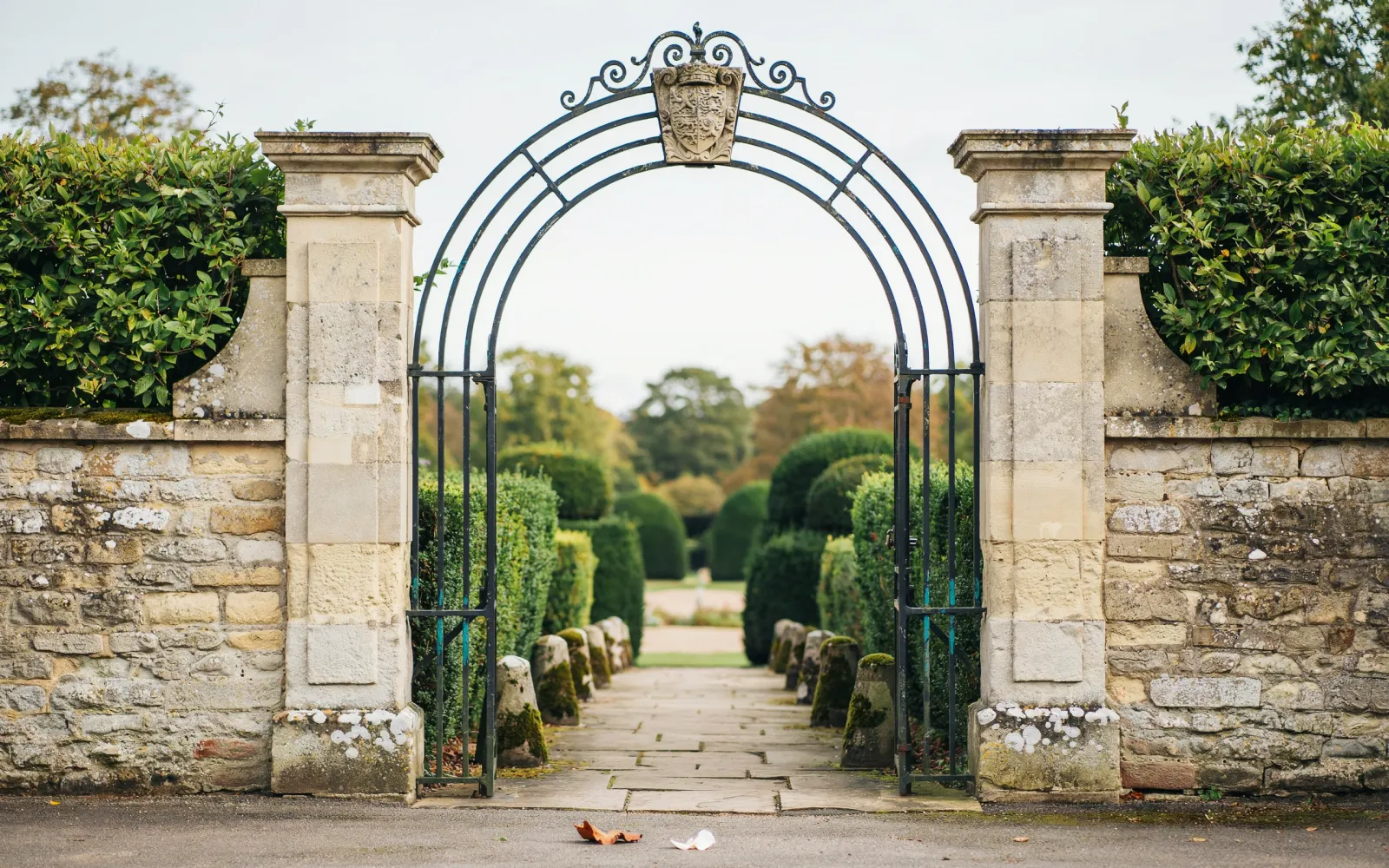
Behind the iron gates of Chequers, a centuries‑old footpath still whispers to walkers.
Chequers, the country house that has served as the retreat for every British prime minister since 1921, sits on about 1,500 acres at the foot of the Chiltern Hills, roughly 40 miles northwest of London. The estate lies near the villages of Wendover and Little Kimble, surrounded by the Chilterns Area of Outstanding Natural Beauty.
The house dates back to the 16th century. It was first owned by the Checker family in the 12th and 13th centuries, then passed to the Hawtreys, who built the Tudor manor in the 1560s. The timbered façade that visitors see today reflects a 20th‑century restoration that reversed a Victorian Gothic alteration.
In 1912 Sir Arthur Lee, 1st Viscount Lee of Fareham, and his wife Ruth, an American heiress, purchased the estate. With no children to inherit it, the Lees decided to gift Chequers to the nation. The Chequers Estate Act 1917 formalised the gift and became the first piece of legislation to recognise the existence of a prime minister, even though the office had been used informally since the early 18th century.
Under the Act, Chequers is the official country residence of the prime minister. If the incumbent chooses not to use the house, the estate passes in a set order to the chancellor, foreign secretary, U.S. ambassador, environment secretary, first lord of the Admiralty, defence minister, speaker of the House of Commons, and finally the lord chief justice. In practice the current prime minister has always used the estate.
The estate is a protected government site. Since 2007 it has been designated under Section 128 of the Serious Organised Crime and Police Act 2005, making trespass a criminal offence. Armed police patrol the grounds, security cameras monitor the perimeter, and warning signs mark the boundaries.
Despite the heavy security, a public footpath cuts through the estate. The path follows an ancient right of way that was preserved when the entrance road was moved in the 1920s. Attempts to remove it were resisted by ramblers, local residents, and organisations that defend England’s network of public rights of way. The footpath was ultimately kept and remains a popular route for walkers and dog owners.
The footpath is visible from the main driveway that runs across the estate. When the path was first moved in the 1920s it cut directly through the driveway. In 1975 a court decision moved the path about 150 metres south, placing it closer to the main security gate. The change was a compromise that preserved the right of way while improving security.
The Chequers estate is surrounded by the Chilterns AONB, designated in 1965. Nearby Coombe Hill, which was part of the Chequers estate until the 1920s, hosts a monument built in 1904 to commemorate the British dead of the Boer War. The hill offers panoramic views of the surrounding countryside.
The estate also lies near the A413 road and the future High Speed 2 (HS2) railway. The HS2 line will run adjacent to the A413 but will be buried in tunnels to minimise visual impact on the Chilterns landscape.
Other government‑owned estates used by ministers include Chevning House near Sevenoaks, which opens its gardens once a year, and Dorneywood House in Buckinghamshire, which is open to the public for a few weeks each year.
The public footpath through Chequers has been the subject of several legal and media disputes. In 1972 the estate attempted to close the path but was defeated by local opposition. A 1989 article in the Daily Star claimed that an IRA sniper could shoot the prime minister from the footpath; the article was based on the path’s proximity to the estate but did not provide evidence of any threat.
Today, walkers can cross the estate’s main driveway, following the footpath that has survived a century of security upgrades and legal challenges. The path offers a rare opportunity to see the grounds of the prime minister’s country house from a public perspective.
Chequers remains a symbol of the British political system: a historic house donated to the nation, a protected government site, and a place where public rights of way continue to coexist with national security.
Chequers, the country house that has served as the retreat for every British prime minister since 1921, sits on about 1,500 acres at the foot of the Chiltern Hills, roughly 40 miles northwest of London. The estate lies near the villages of Wendover and Little Kimble, surrounded by the Chilterns Area of Outstanding Natural Beauty.
The house dates back to the 16th century. It was first owned by the Checker family in the 12th and 13th centuries, then passed to the Hawtreys, who built the Tudor manor in the 1560s. The timbered façade that visitors see today reflects a 20th‑century restoration that reversed a Victorian Gothic alteration.
In 1912 Sir Arthur Lee, 1st Viscount Lee of Fareham, and his wife Ruth, an American heiress, purchased the estate. With no children to inherit it, the Lees decided to gift Chequers to the nation. The Chequers Estate Act 1917 formalised the gift and became the first piece of legislation to recognise the existence of a prime minister, even though the office had been used informally since the early 18th century.
Under the Act, Chequers is the official country residence of the prime minister. If the incumbent chooses not to use the house, the estate passes in a set order to the chancellor, foreign secretary, U.S. ambassador, environment secretary, first lord of the Admiralty, defence minister, speaker of the House of Commons, and finally the lord chief justice. In practice the current prime minister has always used the estate.
The estate is a protected government site. Since 2007 it has been designated under Section 128 of the Serious Organised Crime and Police Act 2005, making trespass a criminal offence. Armed police patrol the grounds, security cameras monitor the perimeter, and warning signs mark the boundaries.
Despite the heavy security, a public footpath cuts through the estate. The path follows an ancient right of way that was preserved when the entrance road was moved in the 1920s. Attempts to remove it were resisted by ramblers, local residents, and organisations that defend England’s network of public rights of way. The footpath was ultimately kept and remains a popular route for walkers and dog owners.
The footpath is visible from the main driveway that runs across the estate. When the path was first moved in the 1920s it cut directly through the driveway. In 1975 a court decision moved the path about 150 metres south, placing it closer to the main security gate. The change was a compromise that preserved the right of way while improving security.
The Chequers estate is surrounded by the Chilterns AONB, designated in 1965. Nearby Coombe Hill, which was part of the Chequers estate until the 1920s, hosts a monument built in 1904 to commemorate the British dead of the Boer War. The hill offers panoramic views of the surrounding countryside.
The estate also lies near the A413 road and the future High Speed 2 (HS2) railway. The HS2 line will run adjacent to the A413 but will be buried in tunnels to minimise visual impact on the Chilterns landscape.
Other government‑owned estates used by ministers include Chevning House near Sevenoaks, which opens its gardens once a year, and Dorneywood House in Buckinghamshire, which is open to the public for a few weeks each year.
The public footpath through Chequers has been the subject of several legal and media disputes. In 1972 the estate attempted to close the path but was defeated by local opposition. A 1989 article in the Daily Star claimed that an IRA sniper could shoot the prime minister from the footpath; the article was based on the path’s proximity to the estate but did not provide evidence of any threat.
Today, walkers can cross the estate’s main driveway, following the footpath that has survived a century of security upgrades and legal challenges. The path offers a rare opportunity to see the grounds of the prime minister’s country house from a public perspective.
Chequers remains a symbol of the British political system: a historic house donated to the nation, a protected government site, and a place where public rights of way continue to coexist with national security.