Blab Politics
Armenias June 7 Parliamentary Election: Results, Controversies, and European Reactions
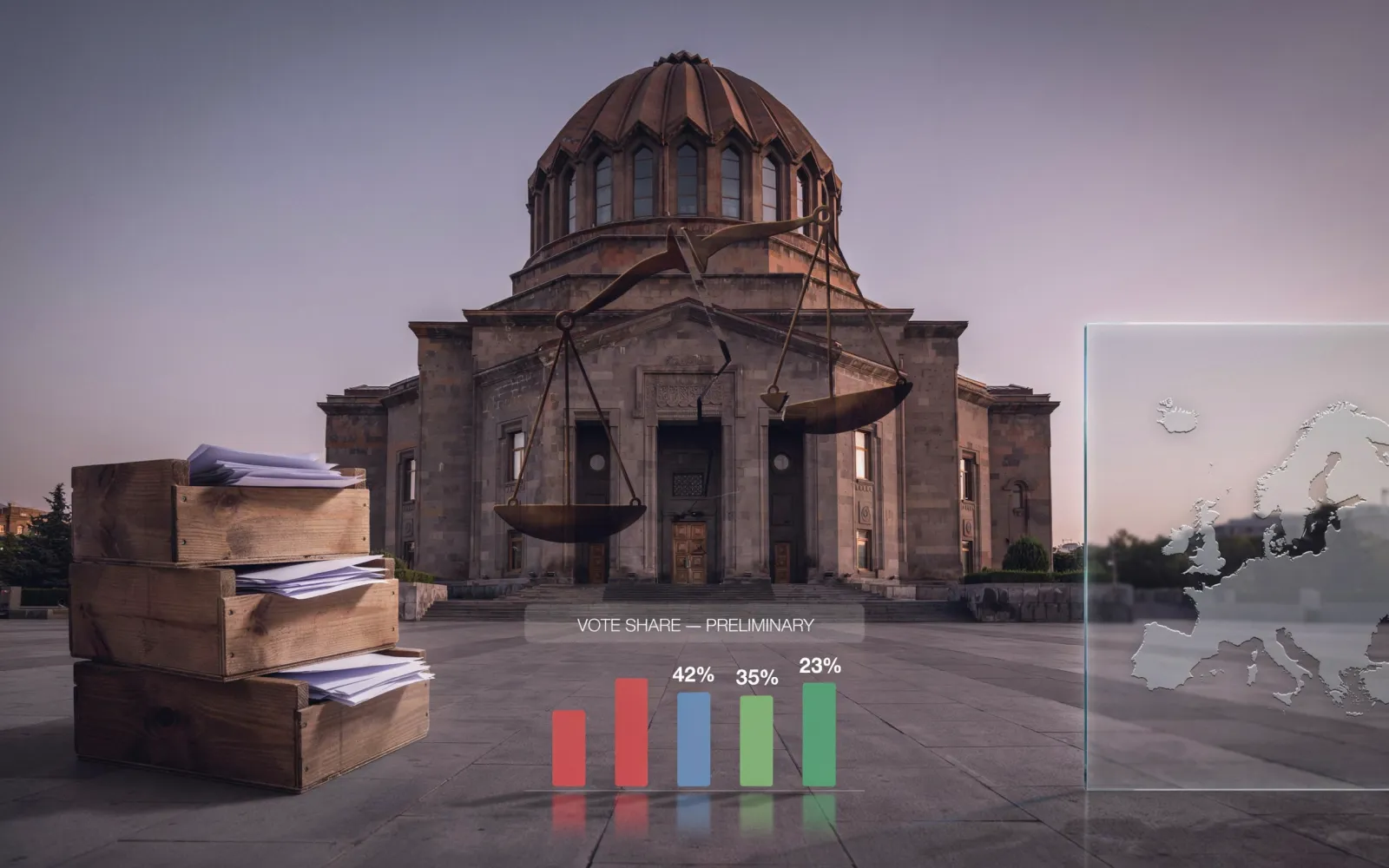
On 7 June 2026 Armenia held its parliamentary election to elect the 9th National Assembly. The ruling Civil Contract party, led by Prime Minister Nikol Pashinyan, received 49.81 % of the vote and secured a majority of seats, while the pro‑Russian Strong Armenia bloc came second with 23.29 %. The election was widely viewed as a test of Armenia’s geopolitical direction, with observers noting a clear preference for a European‑oriented policy.
The result gave Civil Contract a comfortable majority in the 107‑seat parliament. According to the Central Election Commission (CEC), the party won 61 seats, a number that gives it an outright majority without the need for a coalition. The strong showing for Strong Armenia, which captured 23.29 % of the vote, reinforced its position as the main opposition and underscored the continued influence of Russia‑aligned forces in Armenia.
The election’s significance extends beyond seat counts. Pashinyan has pursued a policy of distancing Armenia from Moscow and strengthening ties with the European Union and the United States. His victory was interpreted by many in the West as a mandate for that policy shift. The European Union’s reaction was swift: several EU leaders congratulated Pashinyan, emphasizing democratic progress, regional cooperation, and the importance of a peaceful resolution to the Nagorno‑Karabakh conflict.
However, the election was not without controversy. Strong Armenia filed a petition on 12 June requesting the annulment of the results, citing alleged irregularities. The CEC had already invalidated the results from two polling stations after reports of a concentration of military personnel at those sites after polls had closed. The invalidation pushed the Prosperous Armenia party below the 4 % threshold required for parliamentary representation; the party’s vote share was reported at 3.996 %, a margin of roughly 60 votes.
Additional concerns were raised by reports that six Strong Armenia candidates were arrested on 6 June, one day before the vote. Reuters and other outlets noted that the arrests occurred in the context of a broader campaign of pressure on opposition figures. While the CEC’s assessment of the election was that voters were offered a genuine choice and that the process was generally well‑run, observers also highlighted signs of pressure, polarization, and a challenging political environment.
Europe’s response illustrates a broader pattern. In contrast to Georgia, where election concerns quickly escalated into a crisis of legitimacy in Western discourse, Armenia’s election was framed largely as a success for democratic progress and European alignment. The rapid congratulatory statements from European leaders were accompanied by a slower, less detailed scrutiny of the reported irregularities.
The ongoing legal challenges mean that the final results are not yet confirmed. The CEC is expected to publish the definitive tally on 12 June. Until then, the petition filed by Strong Armenia remains pending, and the outcome could affect the final seat distribution. The European Union’s stance is that while Armenia has the right to pursue its strategic orientation, it should also maintain rigorous standards of electoral integrity.
In summary, Pashinyan’s Civil Contract has secured a decisive victory that signals a continued pivot toward Europe, but the election’s aftermath is marked by contested results, legal petitions, and a broader debate about the quality of democracy in Armenia. The next steps involve the CEC’s final certification, the potential annulment of the election by the opposition, and the ongoing negotiation of Armenia’s peace process with Azerbaijan.
The result gave Civil Contract a comfortable majority in the 107‑seat parliament. According to the Central Election Commission (CEC), the party won 61 seats, a number that gives it an outright majority without the need for a coalition. The strong showing for Strong Armenia, which captured 23.29 % of the vote, reinforced its position as the main opposition and underscored the continued influence of Russia‑aligned forces in Armenia.
The election’s significance extends beyond seat counts. Pashinyan has pursued a policy of distancing Armenia from Moscow and strengthening ties with the European Union and the United States. His victory was interpreted by many in the West as a mandate for that policy shift. The European Union’s reaction was swift: several EU leaders congratulated Pashinyan, emphasizing democratic progress, regional cooperation, and the importance of a peaceful resolution to the Nagorno‑Karabakh conflict.
However, the election was not without controversy. Strong Armenia filed a petition on 12 June requesting the annulment of the results, citing alleged irregularities. The CEC had already invalidated the results from two polling stations after reports of a concentration of military personnel at those sites after polls had closed. The invalidation pushed the Prosperous Armenia party below the 4 % threshold required for parliamentary representation; the party’s vote share was reported at 3.996 %, a margin of roughly 60 votes.
Additional concerns were raised by reports that six Strong Armenia candidates were arrested on 6 June, one day before the vote. Reuters and other outlets noted that the arrests occurred in the context of a broader campaign of pressure on opposition figures. While the CEC’s assessment of the election was that voters were offered a genuine choice and that the process was generally well‑run, observers also highlighted signs of pressure, polarization, and a challenging political environment.
Europe’s response illustrates a broader pattern. In contrast to Georgia, where election concerns quickly escalated into a crisis of legitimacy in Western discourse, Armenia’s election was framed largely as a success for democratic progress and European alignment. The rapid congratulatory statements from European leaders were accompanied by a slower, less detailed scrutiny of the reported irregularities.
The ongoing legal challenges mean that the final results are not yet confirmed. The CEC is expected to publish the definitive tally on 12 June. Until then, the petition filed by Strong Armenia remains pending, and the outcome could affect the final seat distribution. The European Union’s stance is that while Armenia has the right to pursue its strategic orientation, it should also maintain rigorous standards of electoral integrity.
In summary, Pashinyan’s Civil Contract has secured a decisive victory that signals a continued pivot toward Europe, but the election’s aftermath is marked by contested results, legal petitions, and a broader debate about the quality of democracy in Armenia. The next steps involve the CEC’s final certification, the potential annulment of the election by the opposition, and the ongoing negotiation of Armenia’s peace process with Azerbaijan.