Blab Politics
Live Nation CEO Michael Rapino Discussed Antitrust Settlement with President Trump Before DOJ Deal
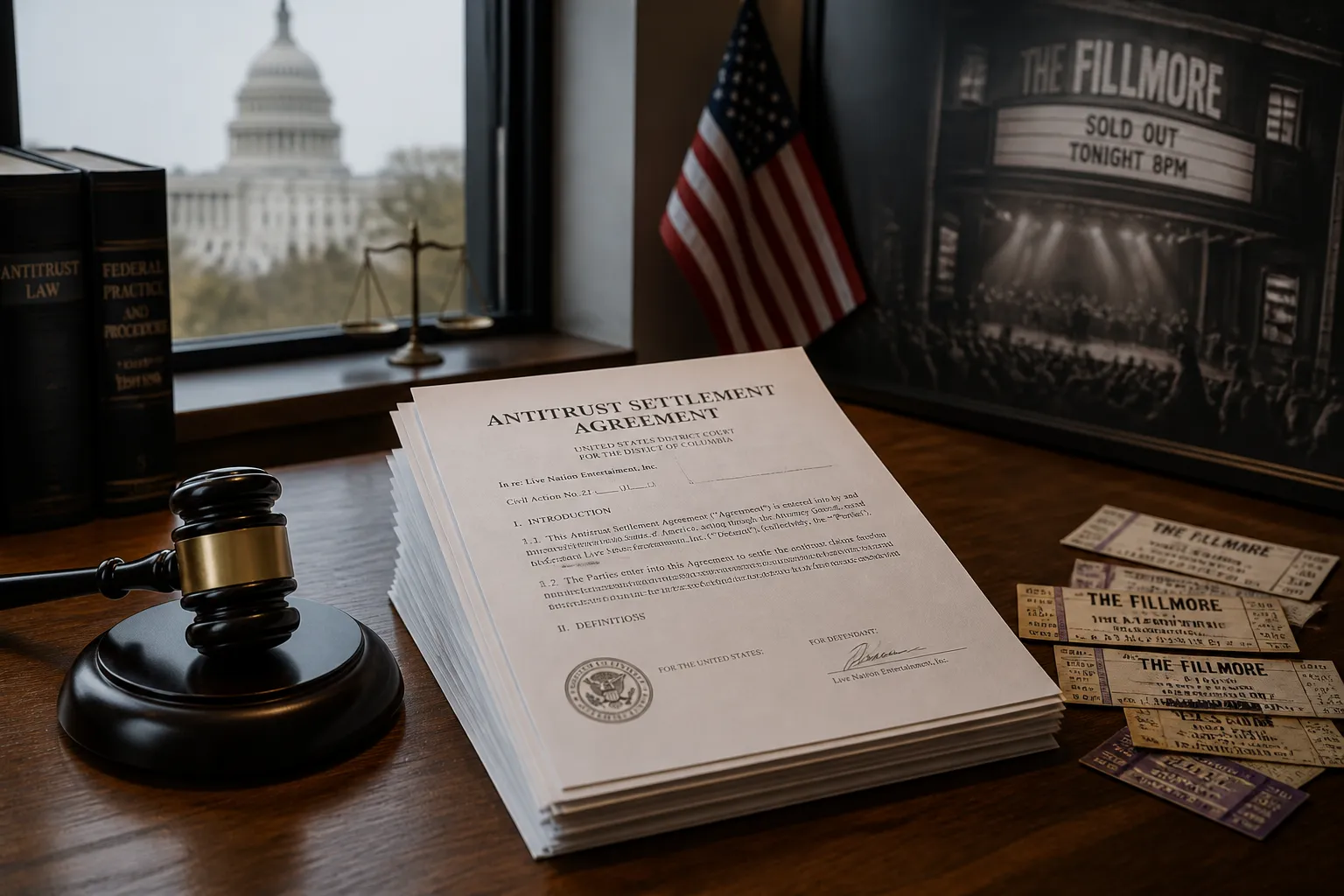
Live Nation Entertainment's CEO, Michael Rapino, reportedly spoke with former President Donald Trump in February 2026 before the company reached a settlement with the U.S. Department of Justice over an antitrust lawsuit that began in 2024. The settlement was announced on March 9, 2026, and was disclosed in a court filing that also revealed the conversation. The deal, which does not require Live Nation to separate from its Ticketmaster unit, comes amid ongoing state lawsuits and a federal jury verdict that found the company liable for monopolistic practices.
Live Nation, the parent company of Ticketmaster, was sued by the DOJ and a coalition of 29 states in May 2024 for alleged anticompetitive conduct that allegedly harmed consumers and other ticket sellers. The lawsuit claimed that the merger of Live Nation and Ticketmaster created a monopoly over live‑event ticket sales and enabled the company to overcharge for tickets. The trial began on March 2, 2026, and during the proceedings the DOJ announced that it had reached a settlement with Live Nation. The settlement was described by the company as a “structural” agreement that addresses the DOJ’s concerns but does not break up the Ticketmaster brand. The settlement includes provisions for ticket pricing transparency and consumer protections, but it does not require the company to divest any venues or ticketing assets.
According to a court filing released on Monday, Rapino had a direct conversation with President Trump in February 2026. The filing, which was part of the settlement documents, states that Rapino discussed a range of topics related to Live Nation’s business with the former president. Live Nation’s lawyers said the conversation was part of the company’s efforts to address the DOJ’s concerns. The filing does not detail the content of the discussion, but it confirms that the CEO spoke with Trump shortly before the settlement was finalized. The disclosure was unusual because it is rare for a private company executive to engage in direct talks with a sitting or former president over a pending antitrust case.
State attorneys general who had joined the DOJ in the lawsuit said the settlement was too weak to address the alleged monopolistic conduct. According to reports, 33 states and the District of Columbia continued to pursue their claims after the settlement was announced. The federal jury verdict in April 2026 found Live Nation and Ticketmaster liable on the states’ antitrust claims, but the settlement was reached before the verdict was rendered. The settlement was described by Live Nation as a “structural” agreement that does not require the company to split from Ticketmaster, a point that critics argue leaves the core monopoly intact. The conversation with Trump, revealed in the filing, raises questions about the role of former presidents in influencing private‑sector regulatory outcomes.
Live Nation’s settlement with the DOJ is pending approval by the federal court that oversees the case. The company has not yet disclosed the specific financial terms of the agreement, and the settlement does not include a monetary payment to the states. The DOJ has indicated that it will continue to monitor Live Nation’s compliance with the settlement’s provisions. Meanwhile, state attorneys general have said they will keep pursuing enforcement actions if the company fails to meet the settlement’s requirements. The settlement also comes at a time when the Department of Justice has been reshuffling its antitrust leadership, following the resignation of chief antitrust lawyer Gail Slater earlier in 2026. The outcome of the settlement could influence future antitrust enforcement against other entertainment conglomerates.
At present, the settlement remains in effect pending court approval, and Live Nation continues to operate Ticketmaster under the agreed terms. State attorneys general have indicated that they will monitor compliance, and the DOJ will enforce the settlement’s provisions. The disclosure of a conversation between Rapino and Trump adds a new dimension to the case, but no evidence has been presented that the discussion altered the settlement’s terms. The case remains a key example of how antitrust enforcement intersects with high‑profile corporate and political actors.
Live Nation, the parent company of Ticketmaster, was sued by the DOJ and a coalition of 29 states in May 2024 for alleged anticompetitive conduct that allegedly harmed consumers and other ticket sellers. The lawsuit claimed that the merger of Live Nation and Ticketmaster created a monopoly over live‑event ticket sales and enabled the company to overcharge for tickets. The trial began on March 2, 2026, and during the proceedings the DOJ announced that it had reached a settlement with Live Nation. The settlement was described by the company as a “structural” agreement that addresses the DOJ’s concerns but does not break up the Ticketmaster brand. The settlement includes provisions for ticket pricing transparency and consumer protections, but it does not require the company to divest any venues or ticketing assets.
According to a court filing released on Monday, Rapino had a direct conversation with President Trump in February 2026. The filing, which was part of the settlement documents, states that Rapino discussed a range of topics related to Live Nation’s business with the former president. Live Nation’s lawyers said the conversation was part of the company’s efforts to address the DOJ’s concerns. The filing does not detail the content of the discussion, but it confirms that the CEO spoke with Trump shortly before the settlement was finalized. The disclosure was unusual because it is rare for a private company executive to engage in direct talks with a sitting or former president over a pending antitrust case.
State attorneys general who had joined the DOJ in the lawsuit said the settlement was too weak to address the alleged monopolistic conduct. According to reports, 33 states and the District of Columbia continued to pursue their claims after the settlement was announced. The federal jury verdict in April 2026 found Live Nation and Ticketmaster liable on the states’ antitrust claims, but the settlement was reached before the verdict was rendered. The settlement was described by Live Nation as a “structural” agreement that does not require the company to split from Ticketmaster, a point that critics argue leaves the core monopoly intact. The conversation with Trump, revealed in the filing, raises questions about the role of former presidents in influencing private‑sector regulatory outcomes.
Live Nation’s settlement with the DOJ is pending approval by the federal court that oversees the case. The company has not yet disclosed the specific financial terms of the agreement, and the settlement does not include a monetary payment to the states. The DOJ has indicated that it will continue to monitor Live Nation’s compliance with the settlement’s provisions. Meanwhile, state attorneys general have said they will keep pursuing enforcement actions if the company fails to meet the settlement’s requirements. The settlement also comes at a time when the Department of Justice has been reshuffling its antitrust leadership, following the resignation of chief antitrust lawyer Gail Slater earlier in 2026. The outcome of the settlement could influence future antitrust enforcement against other entertainment conglomerates.
At present, the settlement remains in effect pending court approval, and Live Nation continues to operate Ticketmaster under the agreed terms. State attorneys general have indicated that they will monitor compliance, and the DOJ will enforce the settlement’s provisions. The disclosure of a conversation between Rapino and Trump adds a new dimension to the case, but no evidence has been presented that the discussion altered the settlement’s terms. The case remains a key example of how antitrust enforcement intersects with high‑profile corporate and political actors.







