Blab Politics
Senators Warren and Moreno Propose Eliminating Social Security Payroll Tax Cap Amid 2032 Insolvency Projection
When high‑earning workers finally meet the Social Security tax ceiling, two senators are proposing a bold shift.
Senators Elizabeth Warren (D‑Mass.) and Bernie Moreno (R‑Ohio) announced a plan to scrap the payroll‑tax cap that limits how much workers above a certain wage contribute to the program. The proposal, set out in a New York Times op‑ed, would let anyone earning more than the current cap—$184,500 in 2026—pay the full 12.4 % Social Security tax on all of their wages, with the extra revenue earmarked solely for retirees.
Under today’s rules, Social Security is funded by a 12.4 % payroll tax that applies only to earnings up to the cap. In 2026, that cap is $184,500, meaning a single worker can contribute no more than $22,878 annually. Earnings above the threshold are exempt from the tax.
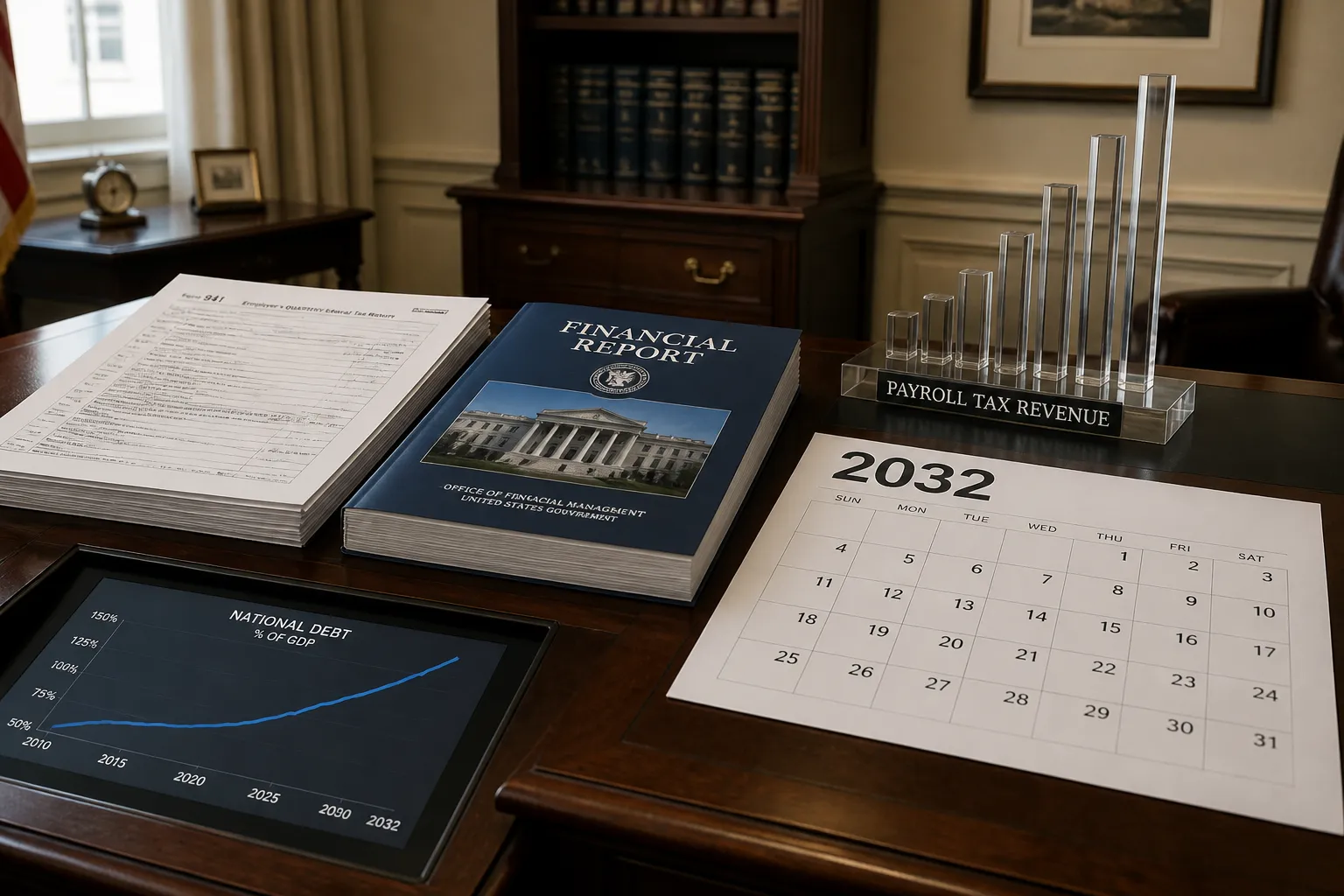
Warren and Moreno argue that the cap creates a shortfall that will force a 23 % cut in benefits when the trust fund is projected to be depleted in 2032. According to the Social Security Trustees, the program will be insolvent at the end of 2032 unless reforms are enacted.
The senators’ proposal would remove the cap entirely, allowing all earnings to be taxed at the 12.4 % rate. The Committee for a Responsible Federal Budget (CRFB) estimates that eliminating the cap would extend solvency by only 21 years, or 22‑27 years according to other CRFB analyses. The Social Security Administration’s own projections suggest the change would keep the program out of the red for just four years.
Even if the cap were removed, the plan would not address the underlying issue of benefit generosity. The CRFB notes that the program’s long‑term deficits are driven largely by the size of benefits relative to the payroll‑tax base. Raising the cap would generate additional revenue, but it would not reduce the amount paid out to retirees.
Politically, the proposal places the burden on high‑earning workers. The plan would shift the additional tax burden onto the wealthiest Americans, while directing the revenue exclusively to Social Security beneficiaries. The senators have framed the measure as a matter of fairness, arguing that retirees should not absorb benefit cuts.
Critics point out that the proposal would not align with broader Democratic priorities. The plan would divert a large portion of the new revenue away from other programs such as healthcare, education, and welfare. It also does not involve any means‑testing or benefit restructuring that could balance the program’s finances more sustainably.
The plan’s moral implications are also debated. The senators’ op‑ed claims that the measure protects retirees, but the proposal would not require any benefit reductions. Opponents argue that a more balanced approach would involve either reducing benefits or restructuring them, rather than simply increasing the tax base.
At present, no legislation has been introduced to eliminate the payroll‑tax cap. The proposal remains a policy idea discussed in the media and by the senators’ offices. The next steps would involve drafting a bill, securing committee hearings, and negotiating support from other members of Congress.
In the meantime, the Social Security Trustees continue to project that the program will be insolvent in 2032, with a potential 23 % cut in benefits if no action is taken. The CRFB and other fiscal analysts warn that the proposed cap removal would only postpone the problem by a few years, without addressing the fundamental fiscal gap.
The debate over the payroll‑tax cap highlights the broader challenge of ensuring the long‑term solvency of Social Security while balancing the interests of workers, retirees, and the federal budget.
Senators Elizabeth Warren (D‑Mass.) and Bernie Moreno (R‑Ohio) announced a plan to scrap the payroll‑tax cap that limits how much workers above a certain wage contribute to the program. The proposal, set out in a New York Times op‑ed, would let anyone earning more than the current cap—$184,500 in 2026—pay the full 12.4 % Social Security tax on all of their wages, with the extra revenue earmarked solely for retirees.
Under today’s rules, Social Security is funded by a 12.4 % payroll tax that applies only to earnings up to the cap. In 2026, that cap is $184,500, meaning a single worker can contribute no more than $22,878 annually. Earnings above the threshold are exempt from the tax.
Warren and Moreno argue that the cap creates a shortfall that will force a 23 % cut in benefits when the trust fund is projected to be depleted in 2032. According to the Social Security Trustees, the program will be insolvent at the end of 2032 unless reforms are enacted.
The senators’ proposal would remove the cap entirely, allowing all earnings to be taxed at the 12.4 % rate. The Committee for a Responsible Federal Budget (CRFB) estimates that eliminating the cap would extend solvency by only 21 years, or 22‑27 years according to other CRFB analyses. The Social Security Administration’s own projections suggest the change would keep the program out of the red for just four years.
Even if the cap were removed, the plan would not address the underlying issue of benefit generosity. The CRFB notes that the program’s long‑term deficits are driven largely by the size of benefits relative to the payroll‑tax base. Raising the cap would generate additional revenue, but it would not reduce the amount paid out to retirees.
Politically, the proposal places the burden on high‑earning workers. The plan would shift the additional tax burden onto the wealthiest Americans, while directing the revenue exclusively to Social Security beneficiaries. The senators have framed the measure as a matter of fairness, arguing that retirees should not absorb benefit cuts.
Critics point out that the proposal would not align with broader Democratic priorities. The plan would divert a large portion of the new revenue away from other programs such as healthcare, education, and welfare. It also does not involve any means‑testing or benefit restructuring that could balance the program’s finances more sustainably.
The plan’s moral implications are also debated. The senators’ op‑ed claims that the measure protects retirees, but the proposal would not require any benefit reductions. Opponents argue that a more balanced approach would involve either reducing benefits or restructuring them, rather than simply increasing the tax base.
At present, no legislation has been introduced to eliminate the payroll‑tax cap. The proposal remains a policy idea discussed in the media and by the senators’ offices. The next steps would involve drafting a bill, securing committee hearings, and negotiating support from other members of Congress.
In the meantime, the Social Security Trustees continue to project that the program will be insolvent in 2032, with a potential 23 % cut in benefits if no action is taken. The CRFB and other fiscal analysts warn that the proposed cap removal would only postpone the problem by a few years, without addressing the fundamental fiscal gap.
The debate over the payroll‑tax cap highlights the broader challenge of ensuring the long‑term solvency of Social Security while balancing the interests of workers, retirees, and the federal budget.