Blab Politics
Trump Orders DOJ Probe Into Oil Companies Amid Falling Gas Prices
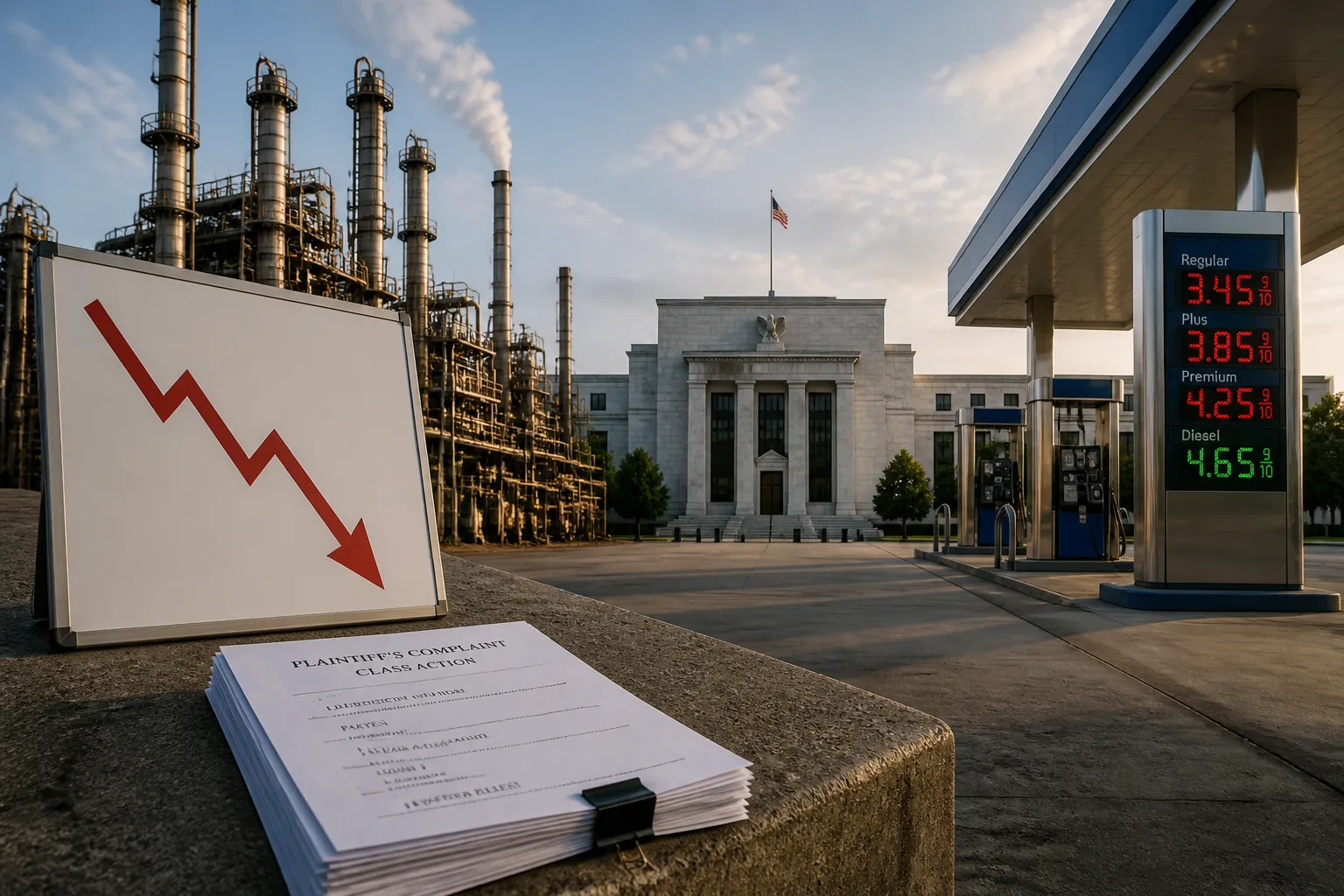
On Wednesday, President Donald Trump announced that the Department of Justice would investigate major oil firms for allegedly "gouging" consumers while wholesale oil costs plummeted. "The big oil companies are not dropping their price at the pump commensurate with the sharply lower prices they are paying for oil," Trump said, adding that gasoline should "better start going down a lot faster than what I’m seeing." He stopped short of naming any specific companies.
A DOJ spokesperson, speaking to TIME, emphasized that fuel prices represent a national‑security concern that touches every American. "The department will always commit to ensuring affordability in this nation," the spokesperson said.
The president’s remarks come as the 2026 Iran war eases. Last week, the United States and Iran signed a 14‑point memorandum of understanding, reopening the Strait of Hormuz—a passage that carries about a fifth of global oil flow. Crude prices fell to roughly $70 a barrel, down from more than $100 a barrel in March, the first dip below that level since Russia’s 2022 invasion of Ukraine.
The American Automobile Association reported that the national gasoline average slipped to $3.93 per gallon on Wednesday, a decline from $4.51 a month earlier. Those prices still sit above the $2.98 per gallon average that existed two days before the war’s escalation.
White House spokesperson Taylor Rogers told TIME that Trump had warned consumers that oil and gas prices would fall quickly once the Iran situation resolved. Trump used the dropping oil price as a talking point ahead of the November midterms, addressing a crowd at a Mack Trucks factory in Pennsylvania and noting that oil was at a "very low price" and would continue to decline.
Experts point out that the lag between crude and gasoline prices is a normal market feature. The American Petroleum Institute notes that lower crude costs take time to filter through the supply chain—from refineries to fuel terminals to retail stations—and that existing higher‑cost inventory must be sold before pumps reflect new prices.
Michael Noel, a Texas Tech economics professor, explained that the delay stems from the length of the global supply chain. "You can’t just grab some crude oil out of the ground and a few minutes later put it into your gas tank," Noel said. He added that the current pace of falling gasoline prices reflects market mechanics rather than evidence of price gouging.
The United States has also been drawing on its Strategic Petroleum Reserve (SPR). Trump authorized the Department of Energy to release 172 million barrels of oil from the SPR in March. According to the Energy Information Administration, the SPR’s crude inventory is at its lowest level since 1983.
The reopening of the Strait, falling crude prices, and the SPR release have all contributed to the recent decline in pump prices. Economists caution that other market forces—such as seasonal demand, geopolitical tensions, and inventory levels—can still influence gasoline costs.
If the DOJ proceeds, the investigation would examine whether oil companies have engaged in unlawful price‑setting practices. No allegations of price fixing have been made public, and the DOJ spokesperson reiterated that the focus would be on ensuring affordability.
Today, gasoline prices have fallen but remain above pre‑war levels. The U.S. government is monitoring the market while diplomatic efforts continue to stabilize oil supplies. The DOJ has not yet announced a timetable for the investigation, and no specific companies have been named.
The next steps will hinge on the DOJ’s findings. If evidence of unlawful conduct emerges, the department could pursue civil or criminal action. For now, the emphasis remains on the broader energy market and the ongoing diplomatic work to secure stable oil supplies.
A DOJ spokesperson, speaking to TIME, emphasized that fuel prices represent a national‑security concern that touches every American. "The department will always commit to ensuring affordability in this nation," the spokesperson said.
The president’s remarks come as the 2026 Iran war eases. Last week, the United States and Iran signed a 14‑point memorandum of understanding, reopening the Strait of Hormuz—a passage that carries about a fifth of global oil flow. Crude prices fell to roughly $70 a barrel, down from more than $100 a barrel in March, the first dip below that level since Russia’s 2022 invasion of Ukraine.
The American Automobile Association reported that the national gasoline average slipped to $3.93 per gallon on Wednesday, a decline from $4.51 a month earlier. Those prices still sit above the $2.98 per gallon average that existed two days before the war’s escalation.
White House spokesperson Taylor Rogers told TIME that Trump had warned consumers that oil and gas prices would fall quickly once the Iran situation resolved. Trump used the dropping oil price as a talking point ahead of the November midterms, addressing a crowd at a Mack Trucks factory in Pennsylvania and noting that oil was at a "very low price" and would continue to decline.
Experts point out that the lag between crude and gasoline prices is a normal market feature. The American Petroleum Institute notes that lower crude costs take time to filter through the supply chain—from refineries to fuel terminals to retail stations—and that existing higher‑cost inventory must be sold before pumps reflect new prices.
Michael Noel, a Texas Tech economics professor, explained that the delay stems from the length of the global supply chain. "You can’t just grab some crude oil out of the ground and a few minutes later put it into your gas tank," Noel said. He added that the current pace of falling gasoline prices reflects market mechanics rather than evidence of price gouging.
The United States has also been drawing on its Strategic Petroleum Reserve (SPR). Trump authorized the Department of Energy to release 172 million barrels of oil from the SPR in March. According to the Energy Information Administration, the SPR’s crude inventory is at its lowest level since 1983.
The reopening of the Strait, falling crude prices, and the SPR release have all contributed to the recent decline in pump prices. Economists caution that other market forces—such as seasonal demand, geopolitical tensions, and inventory levels—can still influence gasoline costs.
If the DOJ proceeds, the investigation would examine whether oil companies have engaged in unlawful price‑setting practices. No allegations of price fixing have been made public, and the DOJ spokesperson reiterated that the focus would be on ensuring affordability.
Today, gasoline prices have fallen but remain above pre‑war levels. The U.S. government is monitoring the market while diplomatic efforts continue to stabilize oil supplies. The DOJ has not yet announced a timetable for the investigation, and no specific companies have been named.
The next steps will hinge on the DOJ’s findings. If evidence of unlawful conduct emerges, the department could pursue civil or criminal action. For now, the emphasis remains on the broader energy market and the ongoing diplomatic work to secure stable oil supplies.