Blab Politics
U.S. Administration Signals Continued Focus on Hezbollah Amid Iran Accord and Lebanese Disarmament Efforts
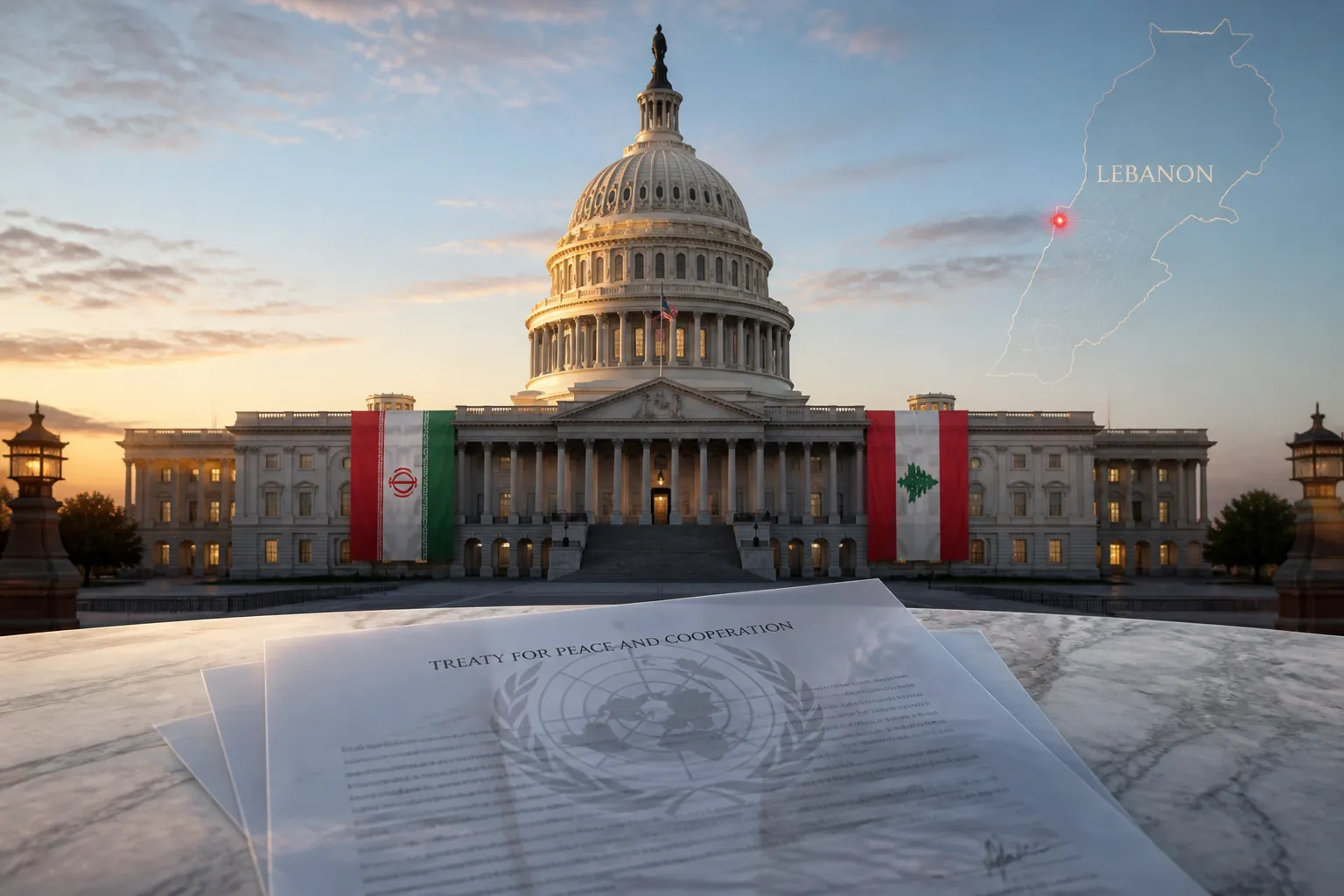
In the wake of a new Iran‑Lebanon accord, Washington has made clear that Hezbollah remains the top U.S. security concern. The State Department reiterated this stance after the Islamabad Memorandum of Understanding (MOU) with Iran, while a U.S. court case held Iran responsible for the torture of Lebanese American Amer Fakhoury.
The MOU, signed in June 2026, lays out a 14‑point framework that, according to reports, calls for the permanent termination of military operations on all fronts, including a cessation of conflict in Lebanon. U.S. experts read the first clause as a direct reference to Hezbollah, the Iran‑backed Shia militia that has operated in Lebanon since 1982. Lisa Daftari, editor‑in‑chief of a foreign‑policy outlet, told Fox News Digital that Hezbollah is “the crown jewel of the regime’s forward defense” and that losing the group would hurt Tehran more than losing the Strait of Hormuz.
When questioned in the United Arab Emirates, Secretary of State Marco Rubio said the MOU’s framework covers proxy threats. He explained that the agreement does not eliminate Iranian proxies launching missiles and drones from Iraq or participating in terrorism, and that these issues would be addressed in future negotiations.
Hezbollah’s record of attacks on Americans is well documented. Bill Roggio, senior fellow at the Foundation for Defense for Democracies, noted that the group has been responsible for the 1983 Marine barracks bombing in Beirut, attacks on U.S. embassies, and the 1998 hijackings of U.S. aircraft. He added that the organization has trained Iraqi militias that killed more than 600 American soldiers and has provided training to al‑Qaeda in the use of suicide car bombs.
In May 2025, a U.S. District Court ruled that Iran, through Hezbollah, was responsible for the torture of Amer Fakhoury, a Lebanese American who was kidnapped in September 2019. The court found that Fakhoury lost 60 pounds during his six‑month captivity and died of cancer six months after returning to the United States. The Fakhoury family, represented by the Amer Foundation, said that the case “demonstrates that accountability is possible” and that the United States should continue to push for the release of all Americans unjustly detained by Iran.
A U.S. official told Fox News Digital that the Trump Administration is committed to securing the release of all Americans unjustly detained in Iran and around the world. The official added that the Iranian regime should immediately release all Americans unjustly detained in Iran, but did not provide additional details.
Lebanese President Joseph Aoun posted on X on Tuesday thanking Vice President and Secretary of State for their attention to Lebanon. He said the United States is working to end the war, strengthen the authority of the Lebanese state, and preserve national sovereignty.
Israeli officials have also weighed in. Jonathan Conricus, former international spokesman for the Israel Defense Forces, said that Hezbollah is a jihadi organization that cannot be negotiated with. He called for political, information, and economic pressure on Hezbollah and its financial institutions.
The U.S. government has also established a monitoring mechanism through U.S. Central Command to provide real‑time information on fighting in Lebanon. The mechanism was set up after Secretary Rubio spoke with Israeli Prime Minister Benjamin Netanyahu and President Aoun about solidifying a ceasefire and future talks.
The Washington talks between Lebanon and Israel are expected to continue into Thursday. The U.S. administration’s stance signals that while the MOU with Iran addresses broader regional hostilities, Hezbollah remains a priority for U.S. policy. The court ruling, the Fakhoury family’s appeal, and the Lebanese government’s disarmament agenda all underscore the continuing focus on the militia’s role in the region.
The situation remains fluid. The next steps will involve further negotiations under the MOU framework, monitoring of Hezbollah’s activities, and continued legal and diplomatic efforts to secure the release of detained Americans. The U.S. and its partners will likely keep Hezbollah at the center of their strategy as Lebanon and Israel work toward a lasting ceasefire.
The MOU, signed in June 2026, lays out a 14‑point framework that, according to reports, calls for the permanent termination of military operations on all fronts, including a cessation of conflict in Lebanon. U.S. experts read the first clause as a direct reference to Hezbollah, the Iran‑backed Shia militia that has operated in Lebanon since 1982. Lisa Daftari, editor‑in‑chief of a foreign‑policy outlet, told Fox News Digital that Hezbollah is “the crown jewel of the regime’s forward defense” and that losing the group would hurt Tehran more than losing the Strait of Hormuz.
When questioned in the United Arab Emirates, Secretary of State Marco Rubio said the MOU’s framework covers proxy threats. He explained that the agreement does not eliminate Iranian proxies launching missiles and drones from Iraq or participating in terrorism, and that these issues would be addressed in future negotiations.
Hezbollah’s record of attacks on Americans is well documented. Bill Roggio, senior fellow at the Foundation for Defense for Democracies, noted that the group has been responsible for the 1983 Marine barracks bombing in Beirut, attacks on U.S. embassies, and the 1998 hijackings of U.S. aircraft. He added that the organization has trained Iraqi militias that killed more than 600 American soldiers and has provided training to al‑Qaeda in the use of suicide car bombs.
In May 2025, a U.S. District Court ruled that Iran, through Hezbollah, was responsible for the torture of Amer Fakhoury, a Lebanese American who was kidnapped in September 2019. The court found that Fakhoury lost 60 pounds during his six‑month captivity and died of cancer six months after returning to the United States. The Fakhoury family, represented by the Amer Foundation, said that the case “demonstrates that accountability is possible” and that the United States should continue to push for the release of all Americans unjustly detained by Iran.
A U.S. official told Fox News Digital that the Trump Administration is committed to securing the release of all Americans unjustly detained in Iran and around the world. The official added that the Iranian regime should immediately release all Americans unjustly detained in Iran, but did not provide additional details.
Lebanese President Joseph Aoun posted on X on Tuesday thanking Vice President and Secretary of State for their attention to Lebanon. He said the United States is working to end the war, strengthen the authority of the Lebanese state, and preserve national sovereignty.
Israeli officials have also weighed in. Jonathan Conricus, former international spokesman for the Israel Defense Forces, said that Hezbollah is a jihadi organization that cannot be negotiated with. He called for political, information, and economic pressure on Hezbollah and its financial institutions.
The U.S. government has also established a monitoring mechanism through U.S. Central Command to provide real‑time information on fighting in Lebanon. The mechanism was set up after Secretary Rubio spoke with Israeli Prime Minister Benjamin Netanyahu and President Aoun about solidifying a ceasefire and future talks.
The Washington talks between Lebanon and Israel are expected to continue into Thursday. The U.S. administration’s stance signals that while the MOU with Iran addresses broader regional hostilities, Hezbollah remains a priority for U.S. policy. The court ruling, the Fakhoury family’s appeal, and the Lebanese government’s disarmament agenda all underscore the continuing focus on the militia’s role in the region.
The situation remains fluid. The next steps will involve further negotiations under the MOU framework, monitoring of Hezbollah’s activities, and continued legal and diplomatic efforts to secure the release of detained Americans. The U.S. and its partners will likely keep Hezbollah at the center of their strategy as Lebanon and Israel work toward a lasting ceasefire.