Blab Politics
USPS to Withhold Mail Ballots From States Refusing Voter-List Submissions, Says Postmaster General
When the U.S. Postal Service announced it would refuse to deliver mail ballots unless states provided voter‑list data, the nation heard a new chapter in the ongoing debate over election integrity.
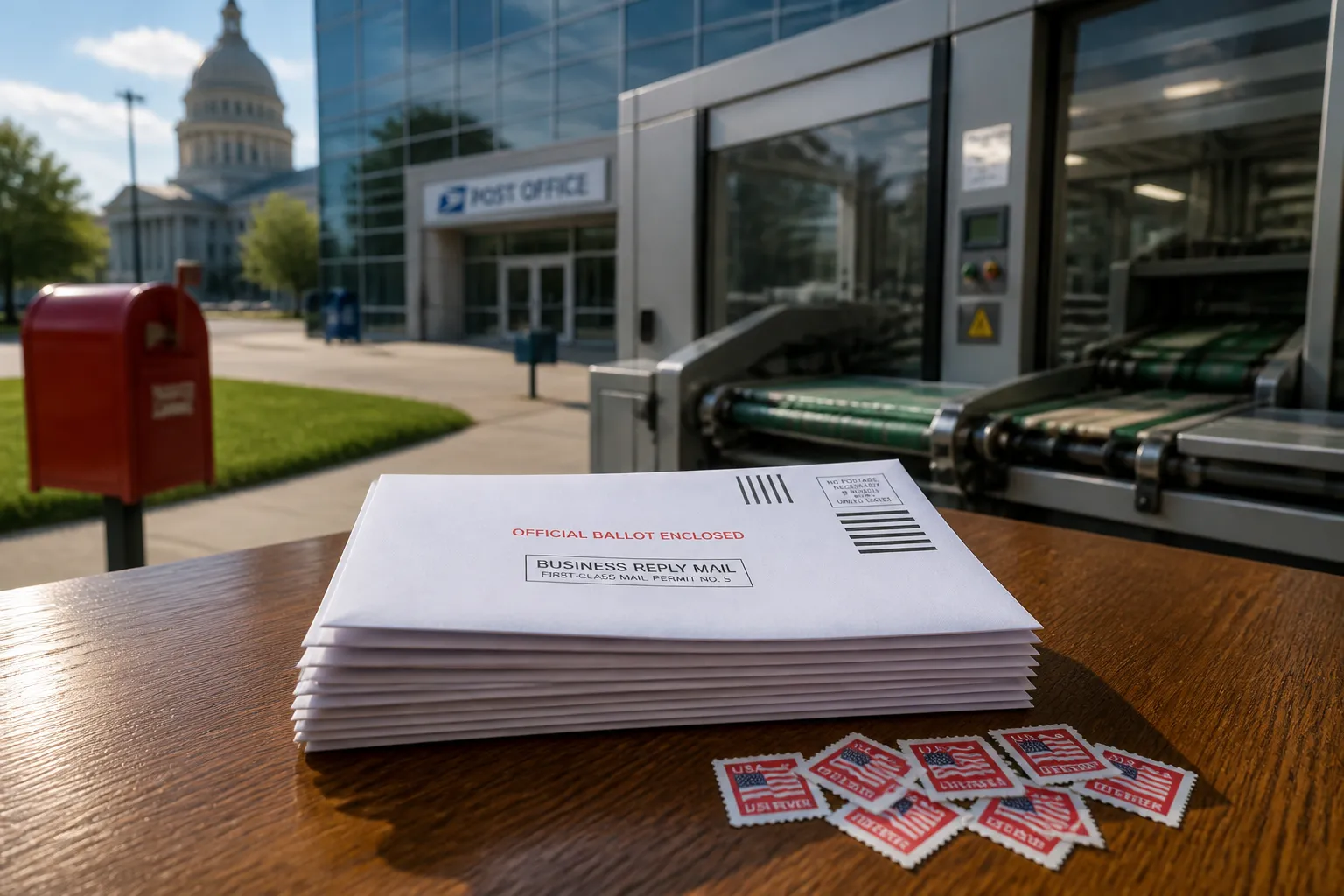
On Wednesday, Postmaster General David Steiner appeared before the Senate Homeland Security & Governmental Affairs Committee and confirmed that the USPS will not ship ballots to any state that refuses to submit a roster of voters expected to vote by mail. This marked the first time a federal official publicly acknowledged that the proposed rule could reshape how the Postal Service handles election mail nationwide.
The rule directly follows President Donald Trump’s executive order signed on March 31, 2026, which mandates that states hand the USPS a list of anticipated mail voters as a prerequisite for ballot delivery. Trump and his aides argue that the lists will help the agency verify voter eligibility and prevent non‑citizen voting—a claim they say is essential for protecting election integrity.
During the hearing, Senator Gary Peters asked whether the Postal Service would still mail ballots if a state declined to turn over its absentee voter list. Steiner answered simply: “Under our proposed regulation, no.” He added that the rule would impose a new federal condition on mail ballot delivery tied to voter‑data submission.
The proposed regulation would compel every state to provide the names of residents expected to vote by mail. Eight states and Washington, D.C.—California, Colorado, Hawaii, Nevada, Oregon, Utah, Vermont, and Washington—conduct elections by mailing all voters a ballot, meaning election officials in those jurisdictions would have to supply information on every voter.
Democrats and voting‑rights groups have slammed the executive order and the USPS rule, arguing that the measures represent an unconstitutional assertion of presidential authority over state‑run elections. Several lawsuits have been filed, but no judge has yet issued an injunction to halt the order or the rule.
Steiner said he would comply with any court order blocking the rule if one were issued. When questioned about the legal authority underlying the rule, he indicated that he would defer to the courts to determine the agency’s power.
The proposed rule is part of a broader effort by the Postal Service to reform its business model. According to the USPS, the rule would allow it to reject or return ballot mailings over technical or administrative issues, even if the voter otherwise meets state law requirements. It would also place the USPS in the role of determining which voters receive ballots—a responsibility that has not previously existed.
The hearing took place amid President Trump’s abrupt cancellation of a Capitol ceremony to sign a bipartisan housing bill. The bill would have required voters to present documents proving citizenship, a measure that Trump’s aides say would further restrict mail voting. Trump’s decision to cancel the ceremony was cited by Senator Elissa Slotkin as evidence of his “level of obsession” over elections.
The rule’s potential impact is significant. If states refuse to comply, the USPS would be forced to withhold ballots, potentially disenfranchising voters who rely on mail voting. The rule also raises questions about the Postal Service’s authority to deny ballot delivery and the legal limits of executive orders that influence election procedures.
The USPS has stated that it will continue to deliver ballots in states that provide the required lists. The rule is currently pending regulatory review and could face further legal challenges. The next steps include the USPS’s formal rule‑making process, possible court rulings, and congressional oversight.
The issue remains unresolved as the Postal Service and state election officials negotiate compliance, while federal courts weigh the legality of the executive order and the rule. The outcome will shape how mail ballots are handled in the upcoming election cycle.
On Wednesday, Postmaster General David Steiner appeared before the Senate Homeland Security & Governmental Affairs Committee and confirmed that the USPS will not ship ballots to any state that refuses to submit a roster of voters expected to vote by mail. This marked the first time a federal official publicly acknowledged that the proposed rule could reshape how the Postal Service handles election mail nationwide.
The rule directly follows President Donald Trump’s executive order signed on March 31, 2026, which mandates that states hand the USPS a list of anticipated mail voters as a prerequisite for ballot delivery. Trump and his aides argue that the lists will help the agency verify voter eligibility and prevent non‑citizen voting—a claim they say is essential for protecting election integrity.
During the hearing, Senator Gary Peters asked whether the Postal Service would still mail ballots if a state declined to turn over its absentee voter list. Steiner answered simply: “Under our proposed regulation, no.” He added that the rule would impose a new federal condition on mail ballot delivery tied to voter‑data submission.
The proposed regulation would compel every state to provide the names of residents expected to vote by mail. Eight states and Washington, D.C.—California, Colorado, Hawaii, Nevada, Oregon, Utah, Vermont, and Washington—conduct elections by mailing all voters a ballot, meaning election officials in those jurisdictions would have to supply information on every voter.
Democrats and voting‑rights groups have slammed the executive order and the USPS rule, arguing that the measures represent an unconstitutional assertion of presidential authority over state‑run elections. Several lawsuits have been filed, but no judge has yet issued an injunction to halt the order or the rule.
Steiner said he would comply with any court order blocking the rule if one were issued. When questioned about the legal authority underlying the rule, he indicated that he would defer to the courts to determine the agency’s power.
The proposed rule is part of a broader effort by the Postal Service to reform its business model. According to the USPS, the rule would allow it to reject or return ballot mailings over technical or administrative issues, even if the voter otherwise meets state law requirements. It would also place the USPS in the role of determining which voters receive ballots—a responsibility that has not previously existed.
The hearing took place amid President Trump’s abrupt cancellation of a Capitol ceremony to sign a bipartisan housing bill. The bill would have required voters to present documents proving citizenship, a measure that Trump’s aides say would further restrict mail voting. Trump’s decision to cancel the ceremony was cited by Senator Elissa Slotkin as evidence of his “level of obsession” over elections.
The rule’s potential impact is significant. If states refuse to comply, the USPS would be forced to withhold ballots, potentially disenfranchising voters who rely on mail voting. The rule also raises questions about the Postal Service’s authority to deny ballot delivery and the legal limits of executive orders that influence election procedures.
The USPS has stated that it will continue to deliver ballots in states that provide the required lists. The rule is currently pending regulatory review and could face further legal challenges. The next steps include the USPS’s formal rule‑making process, possible court rulings, and congressional oversight.
The issue remains unresolved as the Postal Service and state election officials negotiate compliance, while federal courts weigh the legality of the executive order and the rule. The outcome will shape how mail ballots are handled in the upcoming election cycle.